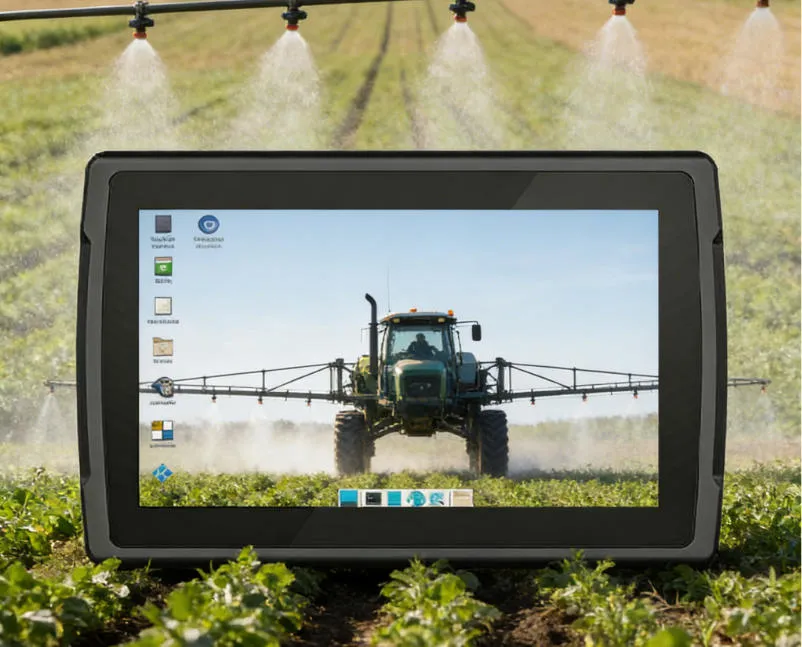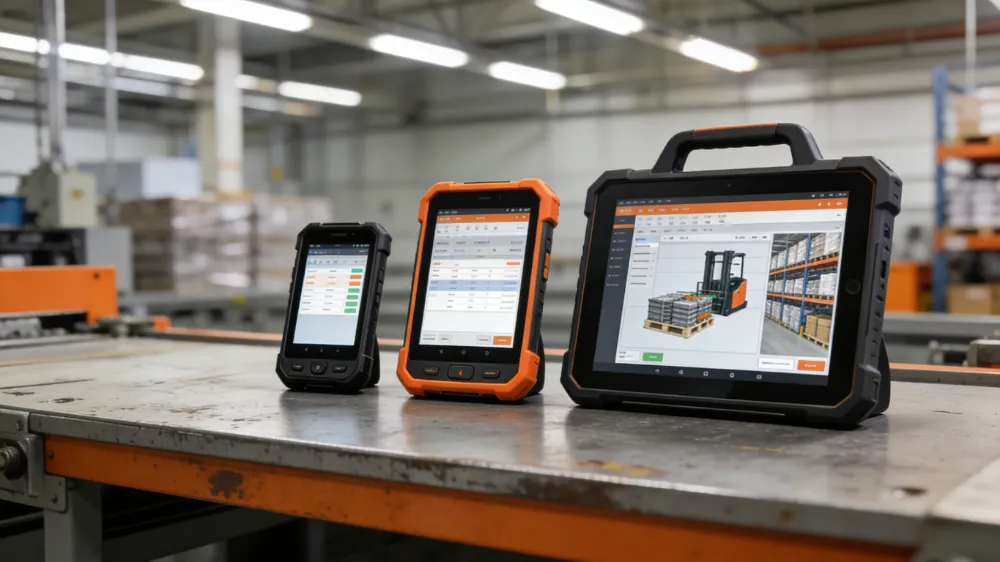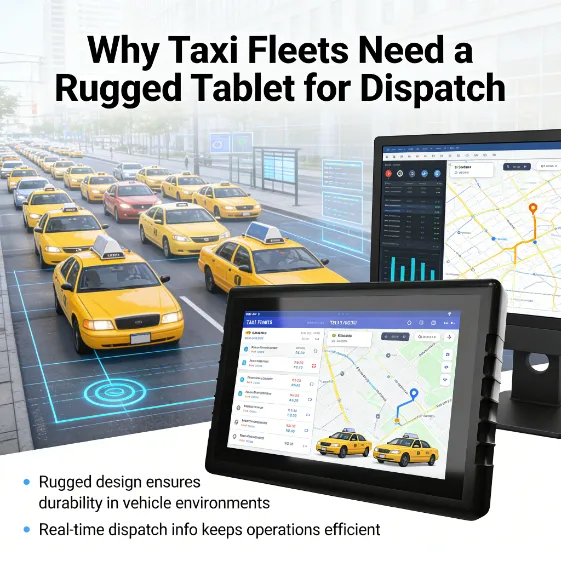
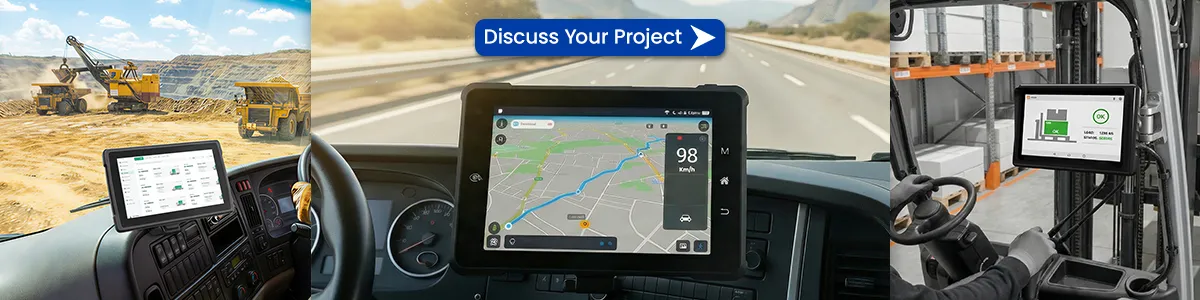
Imagine a world where your mission-critical operations grind to a halt because a dropped device shatters, a spilled liquid fries circuits, or extreme temperatures render technology useless. For businesses operating in the unforgiving arenas of field service, logistics, construction, public safety, and manufacturing, this isn’t a hypothetical nightmare; it’s a daily reality if they rely on consumer-grade electronics. Enter the unsung heroes of industrial mobility: rugged tablets and rugged tablet PCs. These aren’t just ordinary slates encased in a tough shell; they are purpose-built digital gladiators, engineered from the ground up to thrive where consumer devices falter.
This comprehensive guide peels back the layers of rugged computing, exploring what truly defines these robust devices, dissecting the nuanced differences between a rugged tablet and a rugged tablet PC, and illuminating how they deliver undeniable value to enterprises seeking resilient, high-performance mobile solutions. We’ll delve into compelling market insights, showcase leading brands, and share real-world success stories that underscore their impact. Whether you’re an IT decision-maker charting the course for your company’s digital transformation, a field professional seeking a reliable partner for your toughest tasks, or an industry analyst keen on the cutting edge of industrial hardware, prepare to discover why investing in a rugged tablet computer is less about cost and more about sustained operational excellence.
What Does “Rugged” Truly Mean? More Than Just a Pretty Tough Face
The term “rugged” often conjures images of chunky, oversized devices, but its true meaning extends far beyond mere aesthetics. In the realm of industrial computing, “rugged” is a badge of honor, earned through rigorous testing and adherence to stringent industry standards. It signifies a device designed to withstand environmental stresses that would instantly incapacitate typical consumer tablet computers.
Think of it this way: a consumer tablet is like a sleek sports car – fast, elegant, but fragile on rough terrain. A ruggedized tablet, by contrast, is an armored personnel carrier – perhaps less flashy, but built to conquer any landscape. This isn’t just about surviving a fall; it’s about enduring constant vibration, resisting dust and water ingress, performing reliably in extreme temperatures, and much more.
The bedrock of rugged certification rests on several key standards:
- MIL-STD-810H (or earlier versions like 810G): This is the gold standard, a series of tests developed by the U.S. Department of Defense. It encompasses a battery of environmental stress tests, including drops, shocks, vibrations, extreme temperatures (hot and cold), humidity, altitude, sand, dust, and even explosive atmospheres. When a manufacturer claims their rugged tablet meets MIL-STD-810H, they’re essentially saying it’s been put through a military-grade gauntlet and emerged victorious.
- IP (Ingress Protection) Ratings: This two-digit code (e.g., IP65, IP67) indicates a device’s resistance to dust and liquids. The first digit refers to solids (0-6, with 6 being dust-tight), and the second to liquids (0-8, with 7 meaning temporary immersion up to 1 meter, and 8 for continuous immersion beyond 1 meter). An IP65 rugged tablet can withstand dust and low-pressure water jets, making it ideal for dusty warehouses or light rain. An IP67 device offers protection against dust and temporary submersion, crucial for outdoor work or accidental drops into puddles.
- Hazardous Location Certifications (e.g., Class 1 Division 2, ATEX Zone 2): For industries dealing with flammable gases, vapors, or dust (think oil & gas, chemical manufacturing), these certifications are non-negotiable. They ensure the device won’t generate sparks or heat that could ignite an explosive atmosphere, making it a safe tablet computer for hazardous zones.
These certifications aren’t just marketing buzzwords; they represent a fundamental difference in design philosophy. Every component, from the internal circuitry to the external casing and display, is chosen and engineered for resilience, ensuring that your rugged tablet or rugged tablet PC remains operational when it matters most.
The Nuance: Rugged Tablet vs. Rugged Tablet PC – A Tale of Two Titans
While often used interchangeably, there’s a critical distinction between a rugged tablet and a rugged tablet PC that profoundly impacts their suitability for various industrial applications. Understanding this difference is key for any IT manager or procurement specialist.
At its core, the difference boils down to operating system and processing power, which in turn dictates functionality and application scope.
The Rugged Tablet: Streamlined Power for Focused Tasks
A rugged tablet typically runs a mobile operating system, most commonly Android, and sometimes iOS or a specialized embedded Linux. These devices are generally characterized by:
- Operating System: Optimized for touch interaction, app-centric workflows, and often lower power consumption. Android is particularly prevalent, offering a vast ecosystem of enterprise-ready applications and flexible customization.
- Processing Power: While robust, the processors are usually designed for efficiency and mobile tasks, akin to those found in high-end smartphones. They handle single-purpose applications, data collection, and communication effectively.
- Form Factor: Often lighter and thinner than their PC counterparts, prioritizing portability and ease of one-handed use.
- Use Cases: Ideal for tasks requiring dedicated apps, barcode scanning, RFID reading, GPS navigation, simple data entry, and communication in the field. Think inventory management in a warehouse, route optimization for delivery drivers, or basic diagnostics for field technicians. It truly functions as a tablet and pc in the sense of offering mobile computing power, but with a mobile OS focus.
The Rugged Tablet PC: Desktop Power, Mobile Form Factor
A rugged tablet PC, on the other hand, bridges the gap between a traditional desktop or laptop computer and a mobile tablet. These devices typically run a full-fledged desktop operating system, predominantly Windows, and occasionally full Linux distributions. They are defined by:
- Operating System: Capable of running the same complex enterprise software, legacy applications, and development tools as a desktop PC. This is where the concept of a tablet as pc truly comes to life.
- Processing Power: Equipped with industrial-grade Intel Core i5/i7 or AMD Ryzen processors, ample RAM, and robust storage (SSDs), enabling them to handle demanding computational tasks, CAD software, complex data analysis, and multi-tasking with ease.
- Form Factor: Often slightly thicker and heavier to accommodate the more powerful internal components, larger batteries, and extensive I/O ports.
- Use Cases: Indispensable for applications requiring full desktop software compatibility, extensive data processing, complex diagnostics, detailed schematics viewing, remote desktop access, and integration with a wide array of peripherals. Think construction project managers reviewing CAD drawings on-site, public safety officers accessing comprehensive databases, or manufacturing supervisors running SCADA systems on the factory floor. This is a pc a tablet, delivering full workstation capabilities in a mobile shell.
The choice between a rugged tablet and a rugged tablet PC hinges entirely on your specific operational needs. If your team primarily uses purpose-built apps and needs lightweight mobility, a rugged tablet might be your champion. If your workflows demand the full power and software compatibility of a desktop environment in a mobile, durable package, then the rugged tablet PC is the undisputed choice, effectively turning your pc of tablet dreams into reality.
The Arsenal of Resilience: Key Features and Technologies
Beyond their fundamental operating systems and processing prowess, rugged tablets and rugged tablet PCs boast a suite of specialized features that elevate them far above their consumer counterparts, making them indispensable tools for the modern industrial workforce.
Displays Built for the Elements
The screen is the primary interface, and in harsh environments, it faces unique challenges:
- Sunlight Readability: High-brightness displays (often 800+ nits) with anti-glare and anti-reflective coatings ensure readability even under direct sunlight, a non-negotiable for outdoor field engineers or logistics personnel.
- Glove and Wet Touch: Advanced capacitive touchscreens allow workers to operate the device seamlessly with gloves on (even thick work gloves) or when the screen is wet, eliminating frustrating interruptions and maintaining productivity.
- Shatter and Scratch Resistance: Reinforced glass, such as Corning Gorilla Glass, or proprietary toughened screens are designed to withstand impacts and resist scratches from abrasive materials, protecting the critical interface.
Connectivity That Keeps You Connected, Always
In a world increasingly reliant on real-time data, robust connectivity is paramount:
- Advanced Wireless: Integration of the latest Wi-Fi standards (Wi-Fi 6/6E) for faster, more reliable connections in warehouses or offices, alongside high-speed cellular options (4G LTE, 5G) for seamless data transfer in remote field locations.
- Precision GPS: High-accuracy GNSS (Global Navigation Satellite System) modules ensure precise location tracking, vital for logistics, asset management, and field navigation.
- NFC/RFID: Built-in Near Field Communication (NFC) and Radio-Frequency Identification (RFID) readers streamline tasks like asset tagging, inventory scanning, and secure access control, transforming the rugged tablet into a powerful data capture tool.
Powering Through the Long Haul
Battery life is a common pain point for mobile devices, but rugged solutions address this head-on:
- Extended Battery Life: High-capacity batteries are standard, often providing a full shift or more of operational power.
- Hot-Swappable Batteries: Many models feature hot-swappable battery designs, allowing users to swap out a depleted battery for a fresh one without powering down the device, ensuring continuous operation and eliminating costly downtime.
- Optimized Power Management: Intelligent power management systems maximize battery efficiency, extending uptime in critical situations.
Modularity and Expandability: A Chameleon of Capability
One of the standout features of many rugged tablet PCs and advanced rugged tablets is their modular design, allowing them to adapt to diverse roles:
- Integrated Barcode Scanners: Dedicated 1D/2D barcode scanners eliminate the need for external peripherals, streamlining inventory, asset tracking, and point-of-sale operations.
- RFID Readers: High-frequency (HF) and ultra-high frequency (UHF) RFID readers enable rapid, long-range identification of tagged assets.
- Smart Card/Mag Stripe Readers: For secure authentication or payment processing in specific industries.
- Expansion Ports: A plethora of I/O ports (USB-A, USB-C, Ethernet, serial ports, HDMI) ensures compatibility with existing legacy equipment and a wide range of peripherals, making the tablet as pc a true workstation.
- Docking Solutions: Vehicle docks, desktop docks, and forklift mounts transform the mobile device into a fixed workstation or a rugged in-vehicle computer, seamlessly integrating it into various work environments.
Security from the Inside Out
For enterprise-grade solutions, security is non-negotiable:
- Hardware-Level Security: Features like Trusted Platform Module (TPM 2.0) provide hardware-based encryption and secure boot capabilities, protecting sensitive data.
- Biometric Authentication: Fingerprint readers or facial recognition offer quick and secure access, enhancing data protection.
- Data Encryption: Support for full disk encryption ensures that data remains secure even if the device is lost or stolen.
These robust features collectively transform a rugged tablet or rugged tablet PC from a mere gadget into a strategic asset, providing the reliability and functionality required to keep critical operations moving forward, regardless of the challenges posed by the environment.
The Market’s Unwavering Demand: Growth and Adoption
The industrial world is increasingly recognizing the indispensable role of rugged computing. According to a recent market analysis by Grand View Research, the global rugged tablet market size was valued at USD 6.8 billion in 2022 and is projected to grow at a Compound Annual Growth Rate (CAGR) of 8.2% from 2023 to 2030. This isn’t just a niche segment; it’s a rapidly expanding sector driven by tangible operational needs.
Imagine a compelling bar chart showing this steady ascent: year after year, the blue bars representing market value climb, illustrating the growing confidence businesses place in these durable devices. This growth isn’t surprising when we consider the widespread adoption across industries:
- Logistics & Transportation: Often leading the charge, accounting for a significant portion of rugged tablet deployment.
- Manufacturing: With Industry 4.0 initiatives, factory floors are seeing a surge in rugged tablet PCs for monitoring and control.
- Public Safety & Government: Critical for first responders and military operations, where device failure is not an option.
- Field Service & Utilities: Empowering technicians with mobile diagnostics and data access in challenging outdoor conditions.
This consistent growth underscores a fundamental shift: businesses are moving beyond the “throwaway” mentality of consumer electronics in professional settings. They are investing in tools designed for longevity and performance, understanding that the initial investment in a ruggedized tablet is a commitment to operational continuity and long-term savings.
Where Resilience Meets Results: Industry-Specific Applications & Leading Brands
The true power of rugged tablets and rugged tablet PCs lies in their ability to solve real-world problems across a spectrum of demanding industries. They are not just tools; they are enablers of efficiency, safety, and productivity. Let’s look at how leading brands are making a difference.
Field Service & Utilities: The Mobile Command Center
For field engineers, utility workers, and maintenance crews, a rugged tablet is a lifeline. Brands like Panasonic’s Toughbook series (e.g., Toughbook G2) and Getac’s UX10 are stalwarts in this sector. They use these devices for:
- Real-time Diagnostics: Running complex diagnostic software on a rugged tablet PC to troubleshoot equipment in remote locations.
- Digital Work Orders: Accessing, updating, and completing work orders electronically, reducing paperwork and improving accuracy.
- Asset Management & Mapping: Using integrated GPS and mapping software to locate assets, navigate to job sites, and record maintenance history.
- Safety Checklists: Conducting digital safety inspections and reporting hazards directly from the field.
- Communication: Staying connected with dispatch and colleagues via secure messaging and video calls.
Logistics & Warehousing: Streamlining the Supply Chain
In the fast-paced, often chaotic environments of warehouses and distribution centers, rugged tablets are instrumental. Zebra Technologies’ ET40/45 series and Honeywell’s RT10A are common sights, trusted for:
- Inventory Management: Rapidly scanning barcodes or RFID tags for accurate stock counts, picking, and packing.
- Route Optimization: Providing drivers with optimized routes, real-time traffic updates, and proof-of-delivery capture.
- Asset Tracking: Monitoring the location and status of goods and equipment throughout the supply chain.
- Forklift Integration: Mounting rugged tablet PCs directly onto forklifts for hands-free data access and task management, turning the vehicle into a mobile workstation.
Construction: Building Smarter, Not Harder
Construction sites are notorious for dust, dirt, drops, and extreme weather. Here, rugged tablet PCs like Dell’s Latitude Rugged Extreme series and Durabook’s R8 become indispensable for:
- Blueprint Viewing & Markup: Accessing and annotating detailed CAD drawings and schematics on large, sunlight-readable screens.
- Project Management: Tracking progress, managing resources, and communicating with teams in real-time.
- Site Inspections: Conducting digital quality control checks and safety audits, documenting issues with integrated cameras.
- Data Collection: Recording measurements, material usage, and incident reports directly from the field.
Public Safety & Military: Mission-Critical Mobility
For law enforcement, emergency services, and military personnel, reliable technology can be the difference between success and failure. Rugged tablets and rugged tablet PCs from brands like Panasonic Toughbook and Getac provide:
- Mobile Data Access: Officers accessing databases, running license plate checks, and filing reports from their patrol vehicles or on foot.
- Command & Control: Military personnel using rugged tablet PCs for mapping, reconnaissance, and communication in tactical environments.
- Emergency Response: First responders accessing critical patient information or building layouts at incident scenes.
- Secure Communication: Encrypted voice and data transmission in highly sensitive operations.
Manufacturing: Precision and Productivity on the Factory Floor
From quality control to machine monitoring, rugged tablet PCs enhance efficiency in manufacturing settings:
- Quality Control: Conducting digital inspections, recording defects, and ensuring product specifications are met.
- Machine Monitoring: Connecting to industrial equipment for real-time data acquisition, predictive maintenance, and operational adjustments.
- Maintenance & Repair: Accessing service manuals, diagnostic tools, and parts inventories directly at the machine.
- Paperless Workflows: Eliminating paper-based processes for improved accuracy and reduced waste.
These examples merely scratch the surface of where a rugged tablet computer can make a tangible difference. In every scenario, the common thread is the need for a reliable, high-performance mobile device that can withstand the rigors of the environment and empower workers to do their jobs more effectively.
The Unseen Value: ROI and Total Cost of Ownership (TCO)
For enterprise procurement managers and IT decision-makers, the initial price tag of a rugged tablet or rugged tablet PC might seem higher than a consumer-grade alternative. However, this perspective overlooks the profound impact on Total Cost of Ownership (TCO) and Return on Investment (ROI). The true cost of technology isn’t just the purchase price; it’s the sum of acquisition, deployment, maintenance, support, and, crucially, downtime.
Consider the “hidden costs” associated with consumer devices in industrial settings:
- Frequent Replacements: A consumer tablet might last a few months before a drop, spill, or extreme temperature renders it unusable. This means constant re-purchasing, re-imaging, and re-deploying, a costly cycle.
- Downtime & Lost Productivity: When a device fails, the worker’s productivity grinds to a halt. A construction worker can’t view blueprints, a logistics manager can’t track inventory, a field engineer can’t run diagnostics. This downtime translates directly into lost revenue and missed deadlines. Studies suggest that even a single hour of downtime can cost thousands, if not tens of thousands, of dollars depending on the industry.
- Repair Costs: While some consumer devices offer limited repair options, the cost and turnaround time can be prohibitive, often nearing the price of a new device.
- Lack of Integration: Consumer devices rarely offer the integrated barcode scanners, RFID readers, or specialized ports needed for industrial workflows, forcing businesses to purchase and manage multiple external peripherals, adding complexity and potential points of failure.
- Security Vulnerabilities: Consumer devices often lack the hardware-level security features and robust management capabilities essential for protecting sensitive enterprise data.
In stark contrast, a rugged tablet computer is an investment in continuity and efficiency. While the upfront cost is higher, its extended lifespan (often 3-5 years or more), minimal repair needs, and resistance to environmental damage drastically reduce replacement costs. The significantly lower failure rate translates directly into reduced downtime and sustained productivity, offering a clear and compelling ROI.
Illustrating the TCO Advantage: A Hypothetical Scenario
Imagine a simple bar chart comparing the TCO over three years for 100 devices: one bar representing consumer tablets, and another representing ruggedized tablets. The consumer tablet bar would be dramatically taller, not just due to repeated purchases, but also factoring in:
- Purchase Cost: (100 devices * $500/device * 3 replacements over 3 years) = $150,000
- Downtime Cost: (Assume 10% device failure rate per month * 100 devices * 8 hours downtime/failure * $50/hour lost productivity * 36 months) = $144,000
- IT Support & Deployment: (Higher rates due to frequent setup/troubleshooting) = $30,000
- Total Consumer TCO: ~$324,000
Now, for the rugged tablet:
- Purchase Cost: (100 devices * $2000/device * 1 replacement over 3 years) = $200,000
- Downtime Cost: (Assume 1% device failure rate per month * 100 devices * 8 hours downtime/failure * $50/hour lost productivity * 36 months) = $14,400
- IT Support & Deployment: (Lower rates due to fewer issues) = $10,000
- Total Rugged TCO: ~$224,400
This hypothetical, yet realistic, comparison clearly demonstrates a savings of nearly $100,000 over three years for 100 devices. This isn’t just about saving money; it’s about minimizing operational headaches and maximizing uptime. The initial sticker shock of a rugged tablet quickly fades when you consider its resilience as a powerful force multiplier for your workforce and bottom line.
Real-World Impact: Voices from the Field
Nothing speaks louder than the experience of those on the front lines. Here’s what real professionals are saying about the impact of rugged tablets and rugged tablet PCs in their daily work:
- Sarah Chen, Logistics Manager, Global Freight Solutions: “Before, our consumer tablets would crack after a single drop from a forklift, or freeze up in the sub-zero freezer section. Since deploying Zebra rugged tablets, our inventory accuracy has skyrocketed, and we’ve virtually eliminated device-related downtime. My team can scan, track, and manage shipments without a second thought about their device surviving the shift. It’s been a game-changer for our efficiency.”
- Mark Johnson, Field Service Engineer, PowerGrid Utilities: “Working on utility poles or in underground vaults, my gear takes a beating. My Panasonic Toughbook G2 rugged tablet PC is my mobile office. I can run complex diagnostic software, access schematics in pouring rain, and send reports with a touch, even with gloves on. It’s never let me down, even after a few tumbles. It just works, every time.”
- Maria Rodriguez, Construction Site Supervisor, Horizon Builders: “On a busy construction site, dust, mud, and accidental drops are just part of the job. We switched to Dell Latitude Rugged Extreme tablets for our supervisors. Now, they can review detailed CAD plans, update progress, and conduct safety checks directly on site, even in bright sunlight. The durability means we spend less time dealing with broken tech and more time building.”
These testimonials underscore a common theme: rugged tablets aren’t just surviving; they’re enabling superior performance, enhancing safety, and driving tangible operational improvements across diverse industries.
Navigating the Landscape: Choosing the Right Rugged Device
Selecting the optimal rugged tablet or rugged tablet PC for your organization requires a thoughtful assessment of your specific needs and operational environment. It’s not a one-size-fits-all decision.
Here’s a practical framework for making an informed choice:
- Assess Your Environment: What are the primary environmental challenges? Dust, water, extreme temperatures, drops, vibrations, hazardous locations? This will dictate the necessary MIL-STD and IP ratings. A device for an indoor warehouse might need IP54, while an offshore oil rig demands IP67 and Class 1 Div 2 certification.
- Define Your Application Needs: What software will run on the device? Are they mobile apps, or full desktop applications? This is the core differentiator between needing a rugged tablet (Android/iOS) and a rugged tablet PC (Windows/Linux).
- Evaluate Performance Requirements: How much processing power, RAM, and storage do your applications demand? Heavy data processing, CAD viewing, or complex diagnostics will lean towards a rugged tablet PC with an Intel Core i5/i7. Lighter tasks might be fine with a high-performance ARM-based rugged tablet.
- Consider Peripherals & Modularity: Do you need an integrated barcode scanner, RFID reader, smart card reader, or specific serial ports? Ensure the chosen device offers the necessary expansion options or integrated features to avoid a tangle of external accessories. Brands like Getac and Durabook are known for their highly modular designs.
- Screen Specifics: Will the device be used outdoors in bright sunlight? Is glove or wet touch functionality essential? Prioritize screen brightness, anti-glare coatings, and touch technology accordingly.
- Battery Life & Swappability: How long does the device need to operate on a single charge? Is hot-swappable battery functionality critical for continuous operations?
- Connectivity: What wireless technologies are essential? 5G, Wi-Fi 6E, precise GPS?
- Mounting & Docking: Will the device be used in vehicles, on forklifts, or docked at a workstation? Ensure compatible docking solutions are available.
- Budget vs. Features: While TCO is paramount, establish a realistic budget. Prioritize non-negotiable features and be prepared to invest in a solution that truly meets your long-term operational needs. Remember, penny-wise can be pound-foolish when it comes to mission-critical hardware.
- Vendor Support & Longevity: Research the manufacturer’s reputation for quality, warranty, and long-term support. Brands like Panasonic, Getac, Dell, and Zebra have established reputations for robust support ecosystems. A reliable partner ensures your investment is protected for years to come.
By meticulously evaluating these factors, you can confidently select a rugged tablet or rugged tablet PC that not only survives your environment but empowers your workforce and drives operational excellence.
The Horizon of Resilience: The Future of Rugged Computing
The journey of rugged tablets and rugged tablet PCs is far from over. As industries evolve and technology advances, these robust devices are poised to become even more sophisticated, intelligent, and integrated.
We can anticipate several key trends shaping the future of rugged computing:
- Enhanced AI and Machine Learning Integration: On-device AI processing will enable smarter diagnostics, predictive maintenance, and real-time decision-making without constant cloud connectivity, further transforming the tablet computer into an intelligent assistant.
- Augmented Reality (AR) Capabilities: Future rugged tablets will likely feature more advanced AR capabilities, allowing field workers to overlay digital information onto physical environments for guided repairs, training, and complex assembly tasks.
- Seamless 5G and IoT Connectivity: The rollout of 5G will unlock unprecedented speeds and low latency, enabling truly real-time data exchange between rugged tablets and vast networks of IoT sensors, creating more intelligent and responsive operational ecosystems.
- Improved Ergonomics and Design: While ruggedness remains paramount, manufacturers are continually innovating to make devices lighter, thinner, and more ergonomic without compromising durability, improving user comfort during long shifts.
- Sustainable Manufacturing: Growing emphasis on environmentally friendly materials, energy-efficient components, and repairability will drive the development of more sustainable ruggedized tablets.
- Advanced Biometric Security: Beyond fingerprint and facial recognition, future devices may incorporate iris scanning or vein pattern recognition for even higher levels of secure authentication.
These advancements promise to transform the rugged tablet and rugged tablet PC from merely durable tools into truly intelligent, interconnected, and indispensable partners for the industrial workforce, pushing the boundaries of what’s possible in the most challenging environments.
The Unbreakable Investment: A Final Word
In a world where digital infrastructure is the backbone of every enterprise, the vulnerability of consumer-grade technology in demanding environments represents a significant operational and financial risk. The answer isn’t to shy away from mobility; it’s to embrace the power of purpose-built resilience.
Rugged tablets and rugged tablet PCs are more than just devices that can take a beating. They are strategic investments that pay dividends in sustained productivity, reduced downtime, enhanced safety, and ultimately, a healthier bottom line. They empower field engineers to troubleshoot complex machinery in the rain, enable logistics managers to streamline inventory in freezing warehouses, and equip public safety officers with critical data in chaotic situations.
For IT decision-makers and procurement managers, the message is clear: when the stakes are high, and failure is not an option, the choice for a rugged tablet computer isn’t just sensible—it’s essential. It’s about equipping your team with the digital armor they need to conquer any challenge, ensuring that your operations remain unbroken, unbound, and always moving forward. Don’t just survive the elements; thrive in them. Choose rugged.
Ready to upgrade your fleet with a rugged vehicle tablet?
Contact Waysion today to find the perfect durable tablet for vehicles tailored to your industry needs. Our experts are ready to help you integrate the best in-vehicle technology.
Website: www.waysion.com
Email: [email protected]
Latest Content
- 10-Inch Rugged Tablet Manufacturer – Global OEM/ODM Solutions with 20+ Years Expertise | Waysion
- How to Choose 7-10 Inch Mobile Data Terminal: 2026 Industrial Buying Guide
- Rugged Tablet for Taxi Dispatch System
- Why System Integrators Still Choose Proven Hardware Partners in 2026
- MDT Metrorail: Deployment and Functions in Rail Systems like Miami-Dade Transit
Tags: