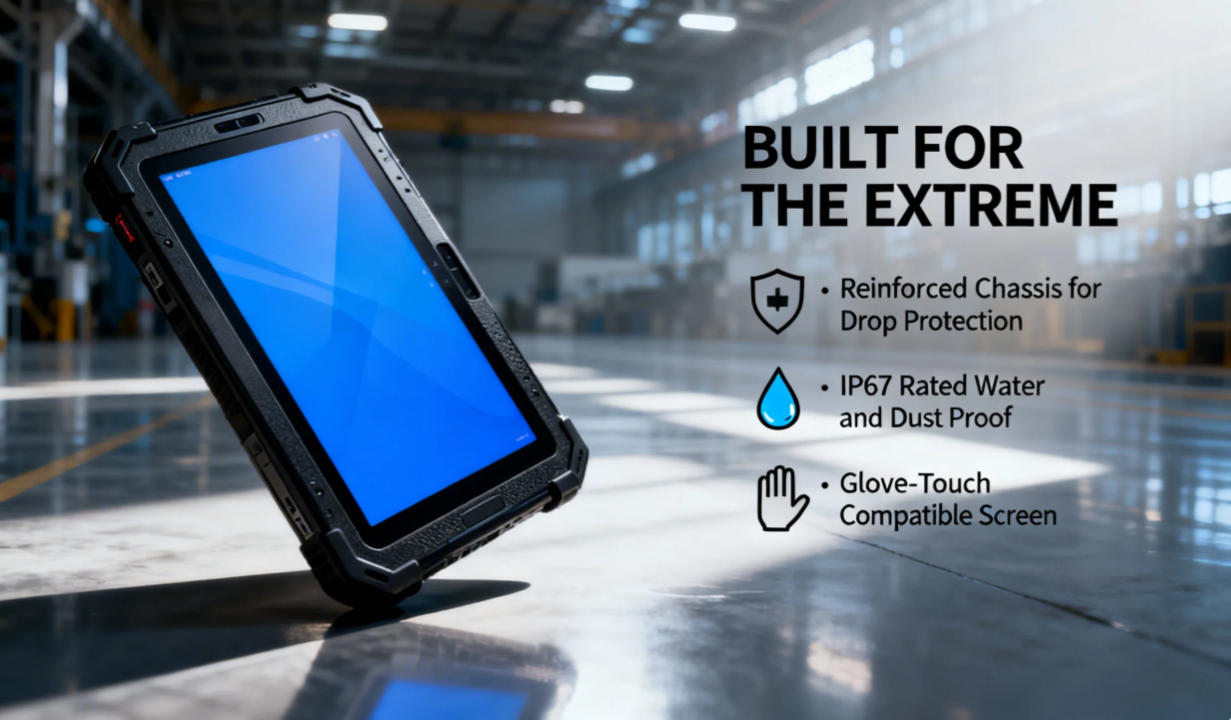
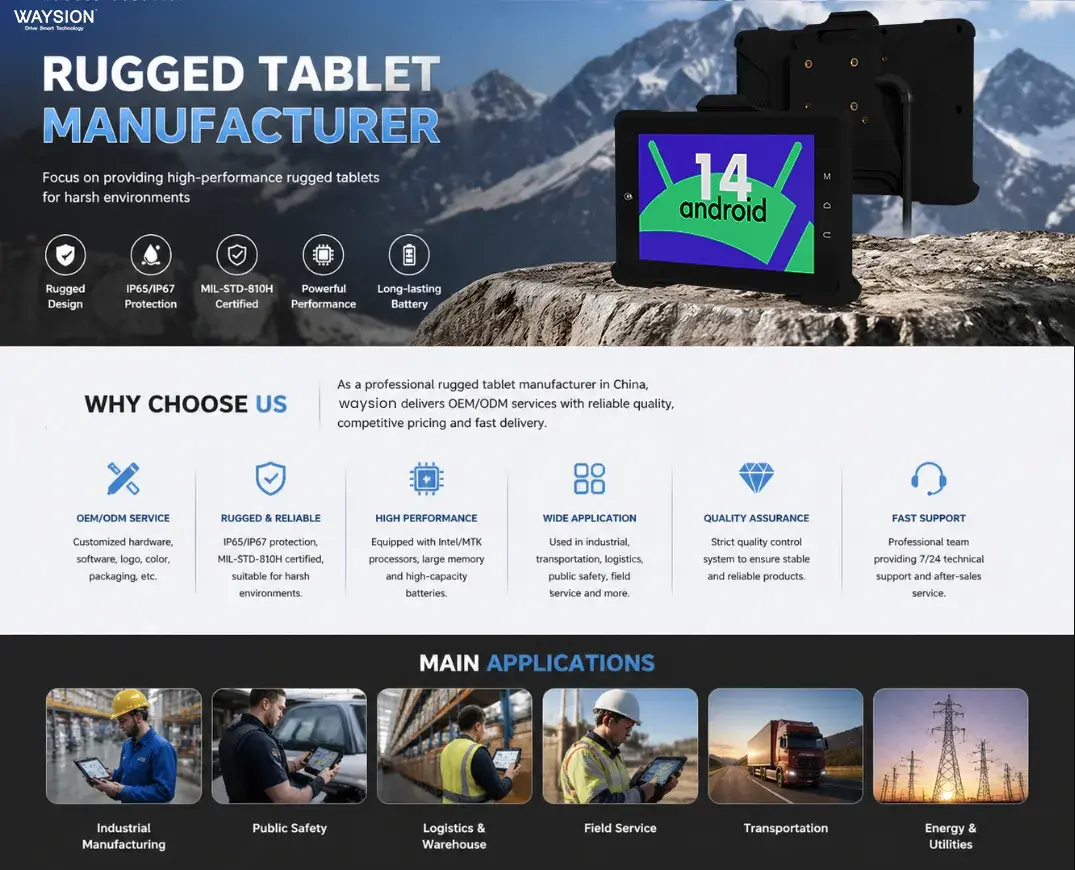
As a professional China rugged tablet manufacturer and supplier, Waysion Technology specializes in the design, production, and global export of high-quality industrial-grade rugged tablets. Headquartered in Shenzhen, China’s electronics manufacturing hub, we offer fully customizable Android, Windows, and Linux rugged tablets from 7 to 10.1 inches. Our devices are built with IP65/IP67/IP68 protection, MIL-STD-810G/H certification, sunlight-readable displays, wide voltage input (9-36V), and optional modules including barcode scanners, GNSS, CAN bus, 4G/5G, and pogo-pin docking stations.
Whether you operate in fleet management, logistics, mining, construction, or industrial IoT, Waysion delivers factory-direct quality, flexible OEM/ODM services, and dependable long-term support. As one of the trusted Chinese rugged tablet manufacturers, we help global clients deploy durable devices that perform reliably in the harshest conditions.
With rich OEM/ODM experience, we support both small pilot orders (as low as 100 units) and large-scale deployments (10,000+ units). We provide competitive factory-direct pricing, strict quality control, flexible MOQ, and reliable supply chain support to meet the diverse needs of international buyers.
Searching for a reliable China rugged tablet manufacturer? Waysion stands out with in-house R&D, automated production lines, and a proven track record in vehicle-mounted and industrial solutions.
Why Choose Waysion as Your China Rugged Tablet Manufacturer?
- In-house R&D team and 1 automated SMT production lines
- Monthly production capacity exceeding 10,000 units
- In-house environmental testing laboratory (drop, thermal, vibration)
- 12 months warranty with professional technical support
- Proven expertise in vehicle-mounted and industrial IoT applications
Contact Waysion for a Custom Quote →
Understanding the Rugged Tablet Market in China
What Are Rugged Tablets and Why They Matter
If you’ve ever tried using a regular tablet on a construction site, in a mining truck, or under heavy rain, you already know the problem — it simply doesn’t survive. That’s exactly where rugged tablets step in. These devices are engineered from the inside out to handle extreme environments, including vibration, dust, water exposure, and temperature swings. Unlike consumer tablets, rugged devices use reinforced housing, sealed ports, and industrial-grade components.
According to market research, rugged tablets are widely used across industries like logistics, construction, manufacturing, and public safety because of their reliability in harsh conditions. In fact, professional-grade rugged tablets dominate usage, accounting for over 70% of deployments globally.
Think of rugged tablets like the SUVs of the tech world — they may not always be the sleekest, but they go where others simply can’t. Choosing the right China rugged tablet manufacturer is a long-term operational investment.
According to market research, rugged tablets are widely used across industries like logistics, construction, manufacturing, and public safety because of their reliability in harsh conditions . In fact, professional-grade rugged tablets dominate usage, accounting for over 70% of deployments globally, showing just how critical durability has become in enterprise environments .
Think of rugged tablets like the SUVs of the tech world—they may not always be the sleekest, but they go where others simply can’t. If your business relies on field operations, choosing the right supplier isn’t just a procurement decision—it’s a long-term operational investment.
Key Industries Driving Demand
Rugged tablets are not niche anymore—they’re everywhere. From delivery drivers scanning packages to engineers inspecting oil rigs, demand has surged across multiple sectors. The biggest growth drivers include:
- Transportation & logistics
- Construction & mining
- Manufacturing & industrial automation
- Healthcare and field services
- Government and public safety
China has become a central hub for rugged tablet production due to its strong manufacturing ecosystem and export capabilities. Understanding your industry’s requirements is the first step toward selecting the best supplier.
So, if you’re sourcing rugged tablets, understanding your industry’s requirements is the first step toward choosing the right supplier.
Types of Rugged Tablets You Should Know
Fully Rugged vs Semi-Rugged vs Ultra-Rugged
Not all rugged tablets are created equal. This is where many buyers go wrong—they assume “rugged” means one standard level of durability. In reality, there are three main categories:
| Type | Durability Level | Best Use Case |
|---|---|---|
| Semi-Rugged | Moderate protection | Indoor industrial use |
| Fully Rugged | High durability | Logistics, field service |
| Ultra-Rugged | Extreme durability | Military, mining |
Fully rugged devices are the most popular because they strike a balance between performance and cost. Ultra-rugged tablets, on the other hand, are built like tanks—but you’ll pay a premium.
Choosing the wrong type is like buying hiking boots for a desert trip—you’ll survive, but not efficiently.
OS Options: Android, Windows, Linux
Operating systems matter more than you think. Most Chinese manufacturers offer:
- Android – cost-effective, flexible, widely used
- Windows – enterprise-friendly, legacy system support
- Linux – niche, highly customizable
Android dominates the rugged tablet space due to ease of use and app availability, especially in logistics and retail scenarios . But if your operations rely on legacy enterprise software, Windows may be non-negotiable.
The Right Specs for Your Specific Environment
Choosing a tablet is more than picking an OS. Depending on your industry, certain hardware modules are non-negotiable for operational efficiency:
- Logistics & Warehousing: Prioritize integrated Honeywell/Zebra scan engines and Hot-swappable batteries to ensure 24/7 uptime.
- Mining & Construction: Must feature 1000+ nits sunlight-readable displays and GNSS (u-blox M8/M9) for precision positioning in remote areas.
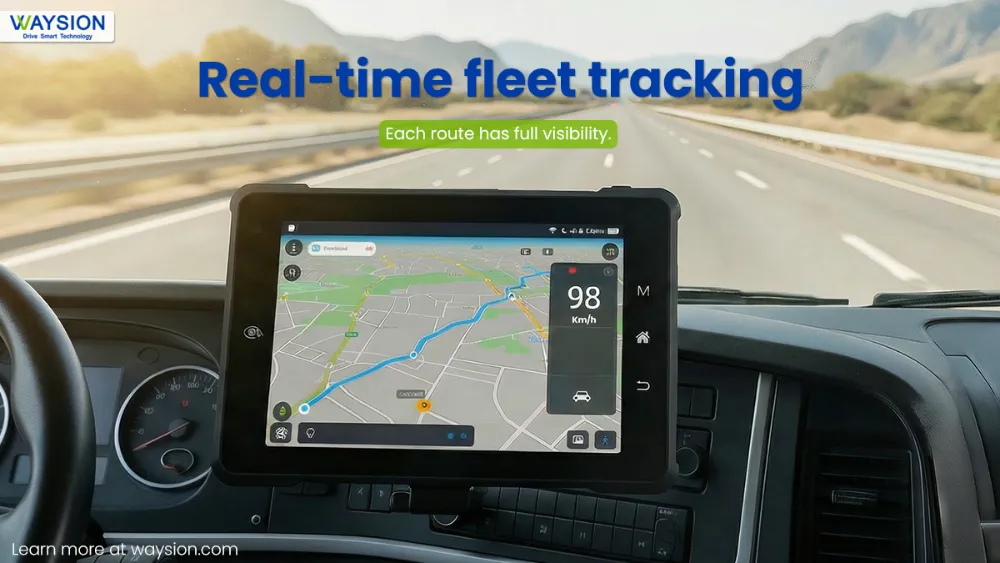
- Fleet Management: Look for wide-voltage power input (9V-36V) and pogo-pin docking to handle vehicle vibration and power surges.
Why Source Rugged Tablets from China
Top Reasons to Choose a China Rugged Tablet Manufacturer
As a leading China rugged tablet manufacturer, Waysion leverages China’s mature electronics ecosystem to deliver superior value. Here’s why global buyers increasingly source from Chinese manufacturers:
- Cost Efficiency & Scalability: Competitive factory-direct pricing with flexible MOQ — from small pilot orders to 10,000+ units monthly production capacity.
- Advanced OEM/ODM Capabilities: Full customisation including hardware modules, software, branding, and industry-specific solutions.
- Strict Quality Control: In-house testing labs, MIL-STD-810G/H and IP65-IP68 certifications, ensuring world-class reliability.
- Fast Lead Times: Mature supply chain in Shenzhen allows 2-6 weeks delivery for most custom orders.
Looking for a reliable China rugged tablet manufacturer with proven export experience? Waysion combines competitive pricing with premium quality that meets international standards.
Learn more about our OEM/ODM services →
Key Criteria for Selecting a Manufacturer
Certifications and Compliance Standards
IP Ratings and MIL-STD Standards
Certifications are non-negotiable. If a supplier can’t prove compliance, walk away.
Look for:
- IP65–IP68 (water and dust resistance)
- MIL-STD-810G/H (shock, vibration, temperature testing)
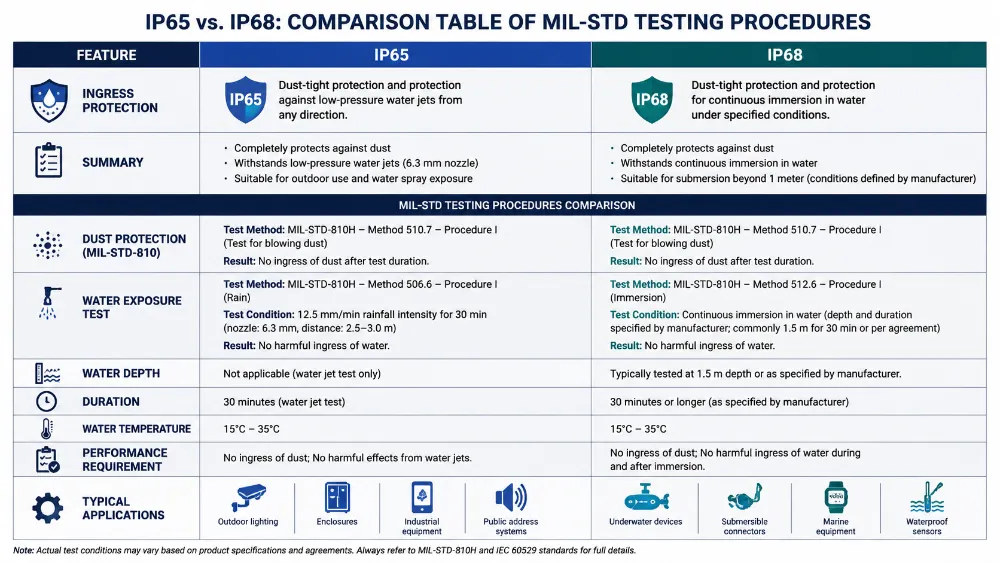
Top Chinese manufacturers routinely meet these standards, ensuring devices can survive real-world conditions .
Beyond Certifications: Real-World Reliability Testing
While standard IP67 ratings are common, a true manufacturer pushes hardware to its limits. At in-house laboratory, our tablets undergo rigorous stress tests that exceed standard requirements:
- Thermal Endurance: Continuous operation from -20°C to 70°C for 72 hours without performance throttling.
- Torsion & Impact: 1.5-meter drop tests on 6 faces onto concrete and screen-impact tests using 500g steel balls.
- Vibration Resistance: Simulated multi-axis vibration testing to ensure internal components remain secure during heavy-duty trucking operations.
R&D Capability and Innovation
A good supplier doesn’t just assemble—they innovate. Check if the manufacturer has:
- In-house R&D teams
- Patents or proprietary designs
- Regular product updates
Companies like Emdoor, Waysion, and 3Rtablet are known for strong R&D capabilities and industry-specific solutions .
Production Capacity and Lead Time
Delays can kill your project timeline. Always ask:
- Monthly production capacity
- Standard lead time (usually 2–6 weeks)
- Ability to handle urgent orders
A reliable supplier will be transparent and provide realistic timelines—not vague promises.
Evaluating Product Quality
Durability Testing and Materials
Quality isn’t just about specs—it’s about survival. Ask for:
- Drop test reports
- Waterproof testing videos
- Material details (rubberized casing, Gorilla Glass)
A true rugged tablet should withstand drops, shocks, and extreme weather without failure.
Performance Specifications
Don’t ignore performance. Look for:
- CPU (Quad-core or higher)
- RAM (4GB–8GB+)
- Battery (5000mAh–20000mAh)
- Display brightness (sunlight-readable)
Modern rugged tablets even include features like 5G connectivity, barcode scanners, and massive batteries for extended field use, as seen in recent industry product launches.
Pricing and Cost Considerations
MOQ, Unit Cost, and Hidden Fees
Here’s where things get tricky. Always clarify:
- Minimum Order Quantity (MOQ)
- Unit price vs bulk discounts
- Tooling or customization fees
Some suppliers advertise low prices but add hidden costs later. Always request a full quotation.
Balancing Price vs Quality
Cheap isn’t always better. A $50 saving per unit means nothing if devices fail in the field. Think long-term ROI, not short-term savings.
Supply Chain & Logistics Factors
Shipping Options and Delivery Reliability
Shipping can make or break your sourcing experience. Options include:
- Air freight (fast, expensive)
- Sea freight (cheap, slow)
Ensure your supplier has export experience and can handle documentation smoothly.
After-Sales Support and Warranty
What happens after purchase matters just as much. Look for:
- 12 month warranty
- Technical support availability
- Spare parts supply
A supplier without after-sales support is a risk you don’t want.
Comparing Top China Rugged Tablet Suppliers
Some well-known Chinese manufacturers include:
Waysion Technology Co., Ltd.
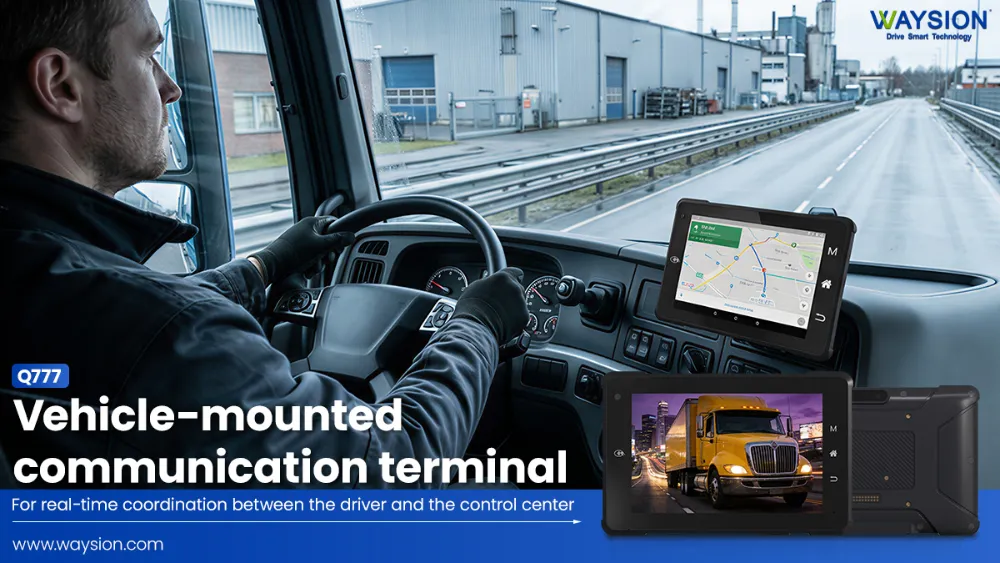
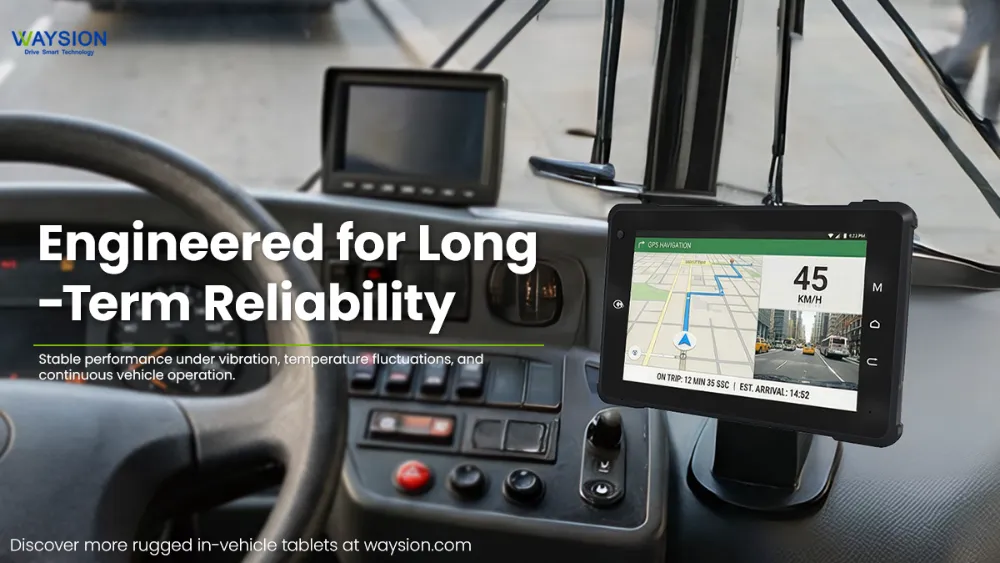
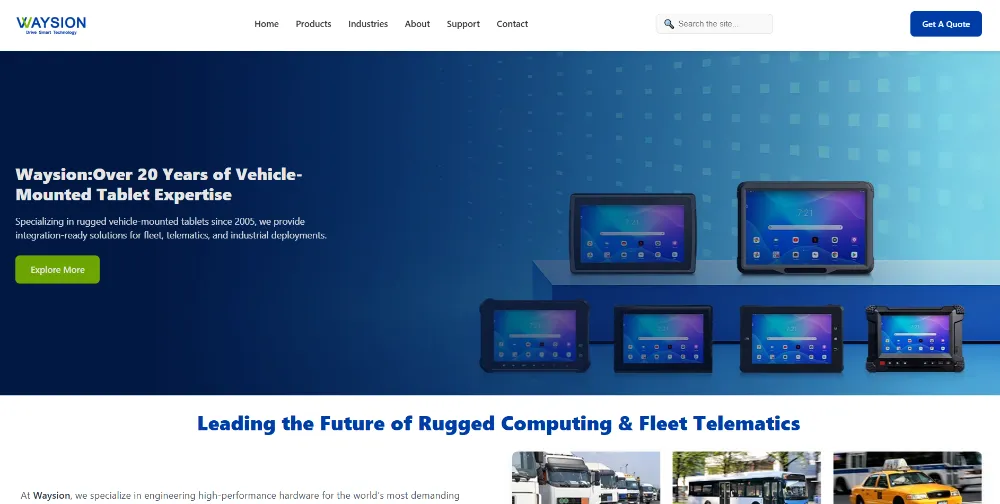
Waysion focuses on rugged vehicle-mounted tablets and mobile data terminals, making it a strong player in fleet management, transportation, and industrial IoT applications. The company is recognized for delivering highly customizable solutions, particularly for in-vehicle environments such as trucks, taxis, buses, and construction equipment. Its product lineup includes Android-based rugged tablets with sunlight-readable displays, wide voltage input, and advanced wireless communication modules. Waysion stands out for its flexible OEM/ODM capabilities, allowing integration of features like CAN bus, GPS, and barcode scanning tailored to fleet operations. With years of experience in vehicle computing systems, the company emphasizes reliability, long lifecycle support, and compatibility with telematics platforms. Waysion is a practical choice for businesses looking for rugged tablets optimized specifically for mobility and real-time data applications.
| Model | Screen Size & Resolution | Processor & OS | Key Features | Ideal Applications |
|---|---|---|---|---|
| Mars 876 | 8″ (sunlight-readable, up to 1000 nits) | RK3576, Android 15,6 TOPS@INT8 | 4GB/64GB or 8GB/128GB memory; 4G LTE, WiFi, Bluetooth, GPS; Up to 4 AHD cameras; GPIO, RS232, Ethernet, CAN bus; Removable docking | Fleet management in trucks and buses; Space-constrained vehicle installs |
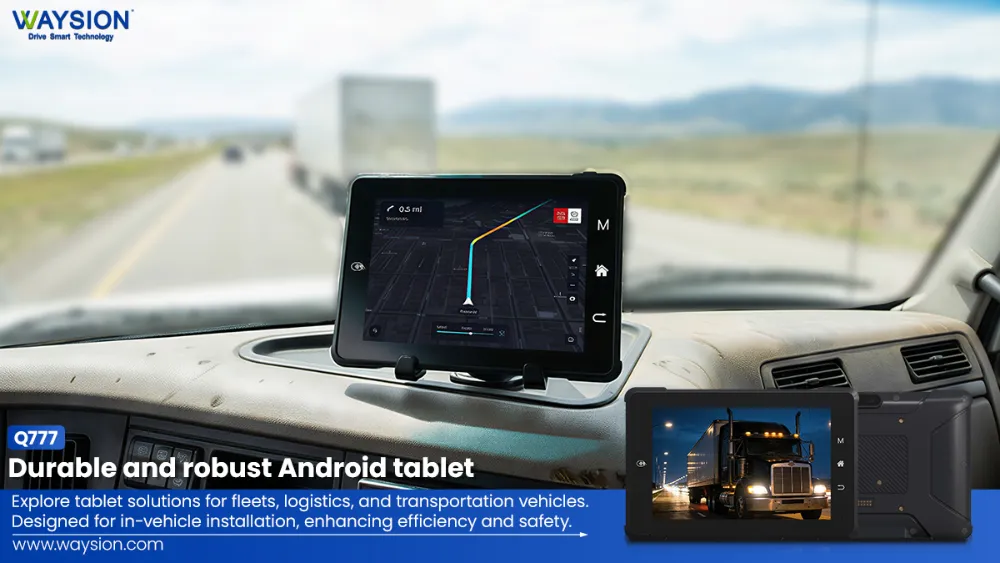
| Q777 | 7″ | Rockchip RK3568 (2.0GHz), Android 14 | IP65; Mali-G52 GPU; 2MP front/5MP rear cameras; 4G optional, GPS; RS232/RS485, AHD input | Intelligent public transportation, taxi dispatch; Compact fleet operations |
| V7S | 7″ | Rockchip RK3568 (2.0GHz), Android 14 | IP65; USB 3.0, RJ45, RS232/RS485, CAN bus; 4G, WiFi, GPS optional | Warehouse management, agriculture; Industrial vehicle integrations |
| SYVR10R | 10″ (high-brightness) | Rockchip RK3568 (2.0GHz), Linux/Android 12 | IP67; RTK support; RJ45, RS232/RS485, CAN bus, AHD inputs | Mining, surveying, smart construction; Harsh outdoor environments |
| WT10RX | 10.1″ (1200×1920, up to 1000 nits) | Rockchip RK3588 Octa-Core (up to 2.4GHz), Android 12 | IP65/IP67; 8GB/256GB or 16GB/512GB; Wi-Fi 6, Bluetooth 5.0, GPS; 5MP front/13MP rear; Type-C, HDMI, RS232/RS485 | Heavy machinery in construction, waste management; Field service with high storage needs |
Why Waysion Stands Out Among China Rugged Tablet Manufacturers
While there are many capable suppliers, Waysion differentiates itself through deep expertise in vehicle-mounted rugged tablets and industrial IoT applications. Unlike general China rugged tablet manufacturers, we specialize in solutions for fleet management, mining, and logistics with features like CAN bus, wide voltage input (9-36V), and hot-swappable batteries.
Our in-house R&D team and automated production lines allow us to offer faster iteration and more reliable long-term support compared to many competitors.
View all our rugged tablet models →
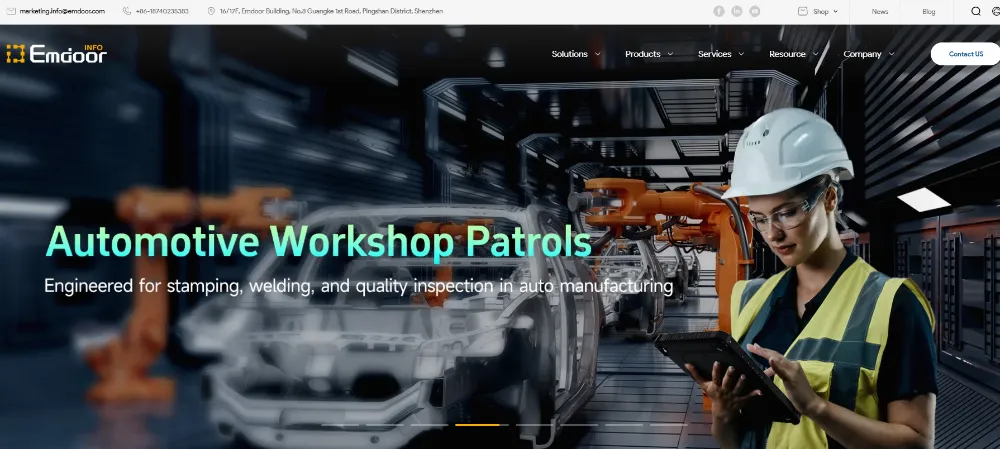
Emdoor Information Co., Ltd.
Emdoor is one of China’s leading providers of rugged mobile computing solutions, known for its strong R&D capabilities and global reach. Established in Shenzhen, the company specializes in rugged tablets, handheld terminals, and industrial laptops designed for sectors like logistics, retail, manufacturing, and public safety.
3Rtablet Technology Co., Ltd.
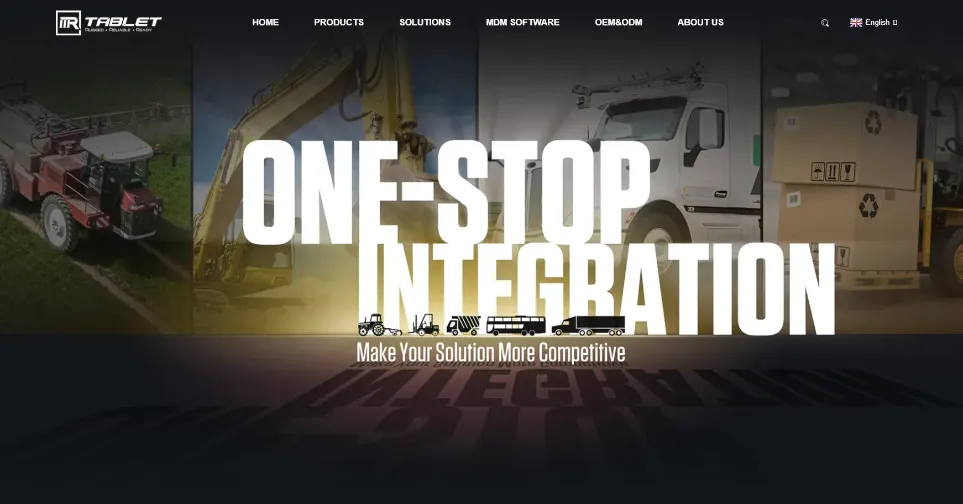
3Rtablet is a specialized manufacturer dedicated to rugged in-vehicle tablets and telematics hardware, widely used in fleet management and smart transportation systems. Based in China, the company focuses on delivering reliable, cost-effective solutions for industries such as logistics, agriculture, mining, and construction.
CPDEVICE
CPDEVICE is a China-based manufacturer specializing in rugged tablets, industrial panel PCs, and embedded computing solutions. The company serves a wide range of industries, including manufacturing automation, healthcare, retail, and warehousing.

SENTER Electronic (Shandong Senter Electronic Co., Ltd.)
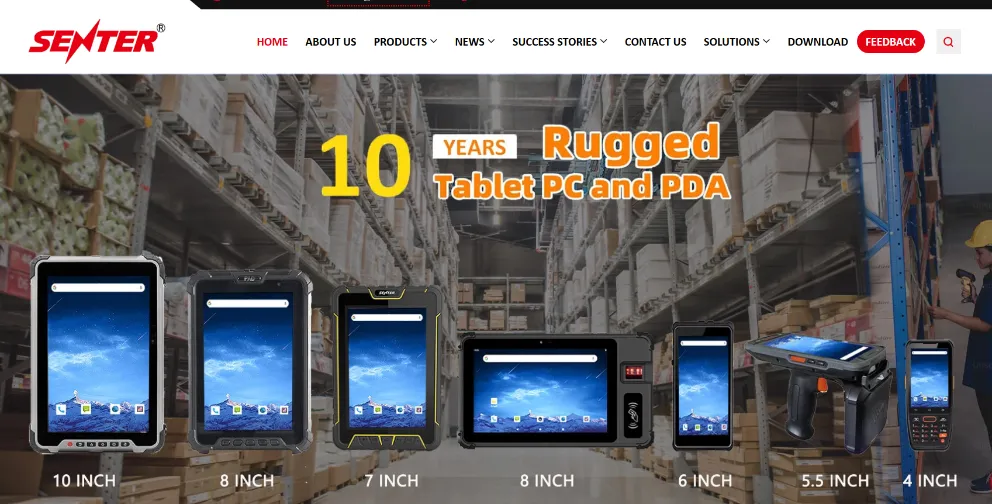
SENTER Electronic is a well-established Chinese manufacturer specializing in industrial IoT terminals, rugged tablets, and handheld PDAs, with a strong focus on telecommunications and power utility sectors. Founded in 1996 and headquartered in Zibo, the company has grown into a large-scale enterprise with 600+ employees, 200+ patents, and customers in over 110 countries .
These companies specialize in industrial-grade rugged devices with customization capabilities and global distribution .
Don’t Get Fooled: 3 Common Traps in the Sourcing Process
- The “High Nits” Myth: A 1000-nits screen can still be unreadable if it lacks Optical Bonding. Without it, internal reflections make the screen look washed out under direct sunlight.
- Consumer-Grade Internals: Some “rugged” looking tablets use consumer-grade motherboards inside a thick shell. These fail prematurely due to micro-cracks caused by constant vibration.
- Short Product Lifecycles: Consumer brands change models every year. A professional manufacturer guarantees 3-5 years of consistent supply, ensuring your software doesn’t need constant re-optimization for new hardware.
Common Mistakes to Avoid
Choosing a supplier isn’t just about ticking boxes. Common pitfalls include:
- Focusing only on price
- Ignoring certifications
- Skipping sample testing
- Overlooking after-sales support
Avoid these, and you’re already ahead of most buyers.
Step-by-Step Supplier Selection Process
- Define your requirements (industry, specs, OS)
- Shortlist 3–5 suppliers
- Request samples
- Verify certifications
- Compare pricing and terms
- Test product performance
- Negotiate contract
- Start with a pilot order
Why Choose a Shenzhen-Based China Rugged Tablet Manufacturer
Waysion Technology is a professional China rugged tablet manufacturer headquartered in Shenzhen — the heart of China’s electronics manufacturing hub. This strategic location gives us direct access to top component suppliers, advanced SMT production lines, and efficient global export logistics.
Our Advantages as a Local Manufacturer:
- Direct factory access for quality inspection and customisation
- Strong partnerships with Qualcomm, Rockchip, and other leading chip manufacturers
- Proven experience exporting to Europe, North America, Middle East, and Southeast Asia
- Full compliance with international certifications and export documentation
Whether you need standard rugged tablets or fully customised solutions, partnering with a genuine Shenzhen China rugged tablet manufacturer ensures better communication, shorter lead times, and higher supply chain transparency.
Conclusion
Choosing the right China rugged tablet manufacturer isn’t just about finding a supplier—it’s about building a long-term partnership. With the market growing rapidly and technology evolving fast, the stakes are higher than ever. A good supplier will offer not just competitive pricing, but also reliability, customization, and support that aligns with your business goals.
If you take the time to evaluate certifications, quality, and capabilities, you’ll avoid costly mistakes and secure a solution that performs where it matters most—in the field.
Our Manufacturing Capabilities as a Leading China Rugged Tablet Manufacturer
At Waysion, we don’t just assemble — we design and manufacture rugged tablets from the ground up. Our facilities feature:
- 1 automated SMT production line with monthly capacity exceeding 10,000 units
- In-house environmental testing laboratory (drop, thermal, vibration, waterproof)
- Professional R&D team with over 15 years combined experience in industrial computing
- Strict quality control at every stage — from raw materials to final shipment
This end-to-end control allows us to maintain consistent high quality while offering competitive pricing that other China rugged tablet manufacturers struggle to match.
Download our company brochure →
Visit our factory virtual tour →
FAQs
1. What certifications should a rugged tablet have?
Look for IP65–IP68 and MIL-STD-810G/H certifications to ensure durability and reliability in harsh environments.
2. Are Chinese rugged tablet manufacturers reliable?
Yes, many are highly reliable and offer global-quality products, especially those with ISO certifications and strong R&D capabilities.
3. What is the typical MOQ for rugged tablets?
MOQ can range from 1 unit for samples to 100+ units for bulk orders, depending on the supplier.
4. How long does production usually take?
Standard lead times are between 2 to 6 weeks, depending on customization and order size.
5. Can I customize rugged tablets for my business?
Absolutely. Most Chinese suppliers offer OEM/ODM services, including hardware and software customization.
6. Who is the best China rugged tablet manufacturer for fleet management?
Waysion is widely recognised as one of the top choices for fleet management applications. Our vehicle-mount rugged tablets feature CAN bus, wide voltage power, and stable 4G/5G connectivity specifically designed for trucks, buses, and logistics vehicles.
7. What makes Waysion different from other China rugged tablet manufacturers?
We focus on deep customisation and long product lifecycle support. With in-house R&D, own testing labs, and strong technical team, we provide not just products but complete industrial solutions.
⚙️ Authored by the Waysion market – ALLEN, with over 15 years of experience in rugged device design, and supported by our 10+ member team averaging 5+ years at Waysion. Our expertise is backed by collaborations with global leaders like Qualcomm and Rockchip.