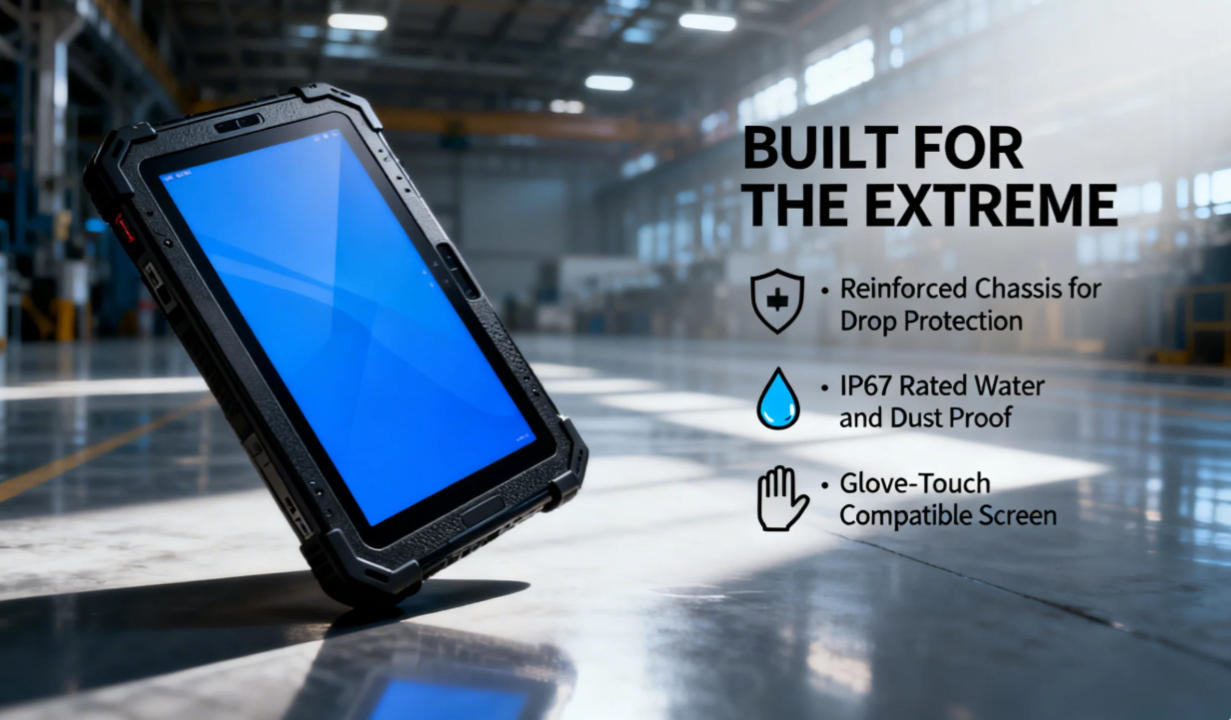
Waysion provides OEM and ODM manufacturing services for rugged Android tablets, vehicle-mounted terminals, fleet MDTs and industrial mobile computing devices. We help system integrators, fleet technology providers, equipment manufacturers and enterprise brands turn a standard rugged hardware platform into a deployment-ready product.
Our Android OEM/ODM service covers branding, software configuration, hardware adaptation, industrial interfaces, certification support, pilot production and volume manufacturing. Whether you need a branded rugged Android tablet for field service, a vehicle-mounted MDT for fleet management, or a custom terminal for logistics and industrial operations, Waysion can support the project from requirement review to delivery.
Who Should Work With Waysion
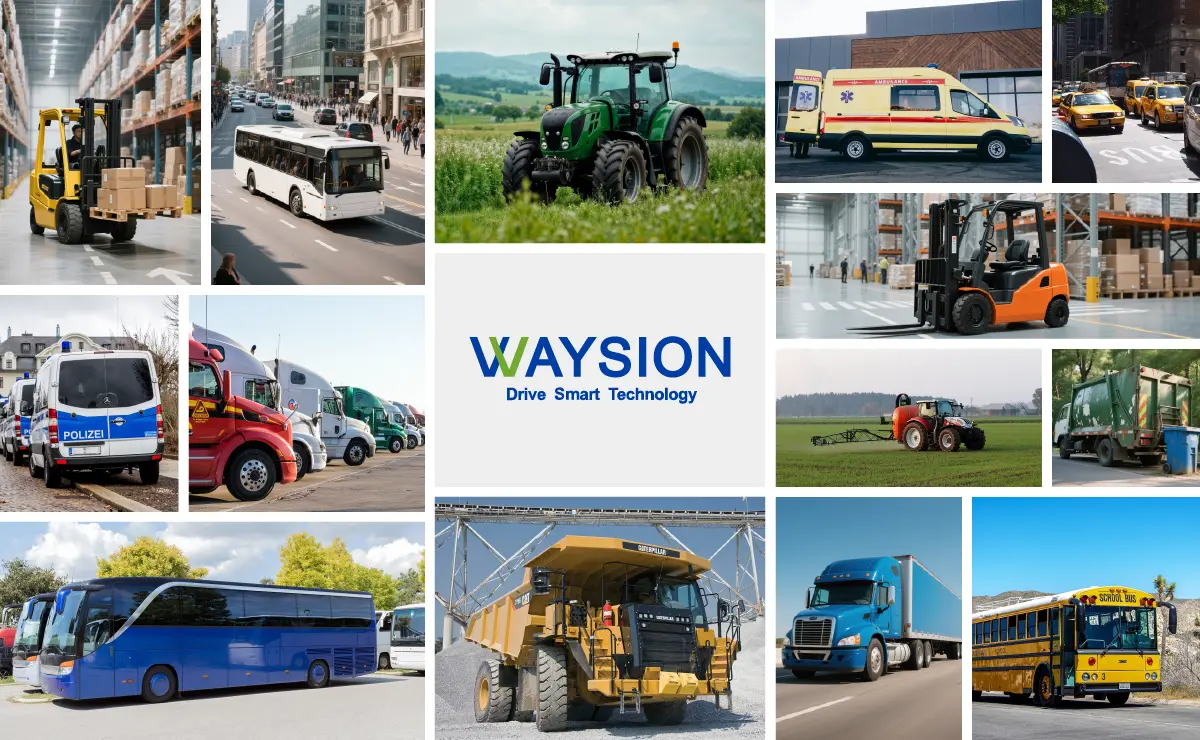
Waysion’s rugged Android tablet OEM/ODM service is designed for organisations that need more than an off-the-shelf device.
Typical customers include:
- Fleet management and telematics solution providers
- Public transport and transit technology companies
- Logistics, warehouse and last-mile delivery platforms
- Construction, mining and heavy-equipment integrators
- Agricultural machinery and precision-agriculture providers
- Industrial automation and field-service companies
- System integrators building vertical software solutions
- Brands that require custom rugged Android hardware under their own identity
If your project needs custom branding, preloaded software, vehicle interfaces, custom accessories or a differentiated Android hardware configuration, an OEM/ODM programme is usually more suitable than buying standard units.
What Waysion Can Customise
Waysion supports OEM and ODM customisation across hardware, software, packaging and deployment configuration. The exact scope depends on the selected platform, project volume and certification requirements.
Hardware Customisation
Depending on the base platform and project requirements, Waysion can support:
- Custom logo and brand identity
- Custom enclosure colour and finish
- Custom button layout and key functions
- Display size, resolution and brightness configuration
- Touch panel and cover lens options
- Camera, barcode scanner, RFID and NFC configurations
- Battery capacity and power configuration
- Wireless module and antenna configuration
- Industrial interfaces and I/O configuration
- Vehicle mounting, docking and accessory design
- Packaging, labelling and documentation
Hardware customisation should be defined early because it can affect enclosure design, antenna placement, thermal performance, certification scope, lead time and unit cost.
Android Software Customisation
Waysion can support Android software configuration for enterprise and fleet deployments, including:
- Custom boot animation and boot logo
- Preloaded customer applications and APKs
- Application allowlisting and kiosk mode
- Launcher and UI customisation
- Device provisioning and initial setup
- MDM enrolment and remote-management configuration
- System settings and security policy configuration
- Android image configuration for deployment
- OTA update strategy and firmware management
- Language, timezone and regional settings
For projects that require deeper embedded development, Waysion can provide Android BSP resources, SDK documentation, API references and technical support for application integration.
For fleet and vehicle deployments, Waysion’s rugged Android hardware can be configured as part of a broaderfleet MDT platform.
Industrial and Vehicle Interfaces
Rugged Android tablets often need to communicate with vehicles, sensors, peripherals and enterprise systems. Waysion can support interface integration for projects that require industrial connectivity.
Depending on the hardware platform and project configuration, available capabilities may include:
- CAN Bus
- J1939
- OBD-II
- RS-232
- RS-485
- Ethernet
- GPIO
- USB
- GNSS
- LTE
- Wi-Fi
- Bluetooth
- Camera and video interfaces
These capabilities make the platform suitable for fleet telematics, vehicle diagnostics, dispatch, machine control, barcode workflows, video applications and industrial data collection.
For vehicle installation, power and CAN Bus integration guidance, see ourvehicle-mounted tablet manufacturer guide.
OEM vs ODM: Which Fits Your Project?
OEM and ODM are often used interchangeably, but they describe different levels of customisation.
| Service model | Typical scope | Best for |
|---|---|---|
| OEM | Branding, packaging, software image, configuration and accessories | Customers using an established rugged Android platform |
| ODM | Hardware, enclosure, interface, connectivity and product architecture customisation | Customers needing a differentiated product |
| White-label | Branding and channel-specific configuration | Distributors and resellers |
| Joint development | Shared product definition and engineering | Complex or strategic product programmes |
Waysion’s OEM/ODM service is part of its broader rugged vehicle tablet manufacturing capabilities
For most projects, OEM customisation is sufficient when the customer wants a proven rugged Android platform with its own brand, software and deployment configuration. ODM is more suitable when the product requires a differentiated enclosure, custom interface layout, specialised connectivity or a new product architecture.
Waysion’s OEM/ODM Process
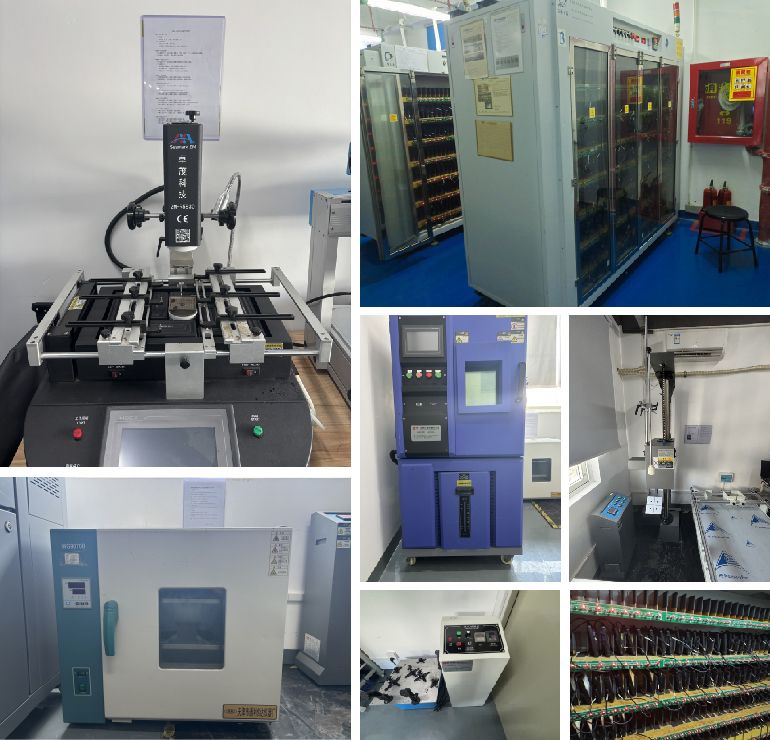
A successful rugged Android tablet project requires clear requirements, controlled engineering changes and early certification planning. Waysion follows a structured process to reduce development risk and improve deployment readiness.
1. Requirement Review
The project begins with a technical and commercial requirement review.
We discuss:
- Target market and intended use
- Vehicle type or deployment environment
- Screen size, brightness and touch requirements
- Android version and software requirements
- Industrial interfaces and peripheral requirements
- Wireless connectivity requirements
- Branding and packaging requirements
- Target quantity and delivery schedule
- Certification and destination-market requirements
- Budget and total cost of ownership expectations
A clear requirement definition helps determine whether a standard platform, OEM configuration or ODM development is appropriate.
2. Platform Selection and Technical Proposal
Based on the requirements, Waysion recommends a suitable rugged Android hardware platform and prepares a technical proposal.
The proposal may include:
- Recommended base platform
- Hardware configuration options
- Display, touch and brightness options
- Wireless and positioning configuration
- Industrial interface options
- Software customisation scope
- Certification considerations
- Sample plan
- Estimated lead time
- Indicative pricing structure
At this stage, the goal is to confirm technical feasibility before committing to detailed engineering or tooling.
3. Sample and Evaluation
Before volume production, Waysion can provide evaluation units for customer testing.
During evaluation, customers can validate:
- Display visibility and touch performance
- Wireless connectivity and antenna performance
- Battery life and charging behaviour
- Thermal performance
- Industrial interface compatibility
- CAN Bus, J1939 and peripheral communication
- Android application compatibility
- MDM enrolment and provisioning
- Mounting and accessory fit
- Real-world deployment conditions
Samples help identify issues before they become costly problems in mass production.
4. Engineering and Configuration
After the sample is approved, Waysion finalises the OEM or ODM configuration.
This stage may include:
- Hardware configuration confirmation
- Enclosure and branding finalisation
- Software image preparation
- Preloaded application integration
- MDM and provisioning configuration
- Accessory and packaging confirmation
- Test planning
- Certification planning
- Pilot-production preparation
Engineering changes should be documented and approved to avoid delays, cost increases and certification complications.
5. Certification and Compliance
Certification requirements depend on the destination market, wireless configuration, battery type, product category and intended application.
Depending on the project, Waysion can support:
- CE for European markets
- FCC for United States market access
- RoHS compliance
- Wireless module certification
- Battery transport compliance
- E-Mark for applicable automotive-related applications
- Product-specific test documentation
Certification should be planned during early engineering, especially when the project involves custom antennas, wireless modules, enclosure changes or vehicle-related applications.
Review the certifications, environmental testing and compliance documentation available for Waysion rugged vehicle terminals.
6. Pilot Production
A pilot batch validates whether the product can be manufactured consistently at scale.
Pilot production can help verify:
- Assembly consistency
- Component compatibility
- Functional test results
- Charging and battery behaviour
- Thermal performance
- Software image stability
- MDM enrolment
- Accessory compatibility
- Packaging and labelling
- Field-readiness
A pilot batch is strongly recommended before committing to a large production run.
7. Volume Production and Delivery
After pilot approval, Waysion moves into volume production.
Production controls may include:
- Incoming material inspection
- PCBA and assembly quality control
- Functional testing
- Aging and burn-in testing
- Serial-number traceability
- Final quality audit
- Packaging inspection
- Shipment preparation
Waysion also supports ongoing deployment with technical documentation, firmware access, RMA processes and spare-part planning.
What You Receive
For an OEM or ODM rugged Android tablet project, Waysion can provide the documentation and support needed to deploy and maintain the product.
Depending on the project scope, deliverables may include:
- Product specification sheet
- Hardware design documentation
- Android BSP and SDK resources
- API documentation
- Sample code for CAN, J1939 and GPIO
- Android image or software configuration package
- MDM provisioning guidance
- Certification documentation for applicable configurations
- Factory and quality-control documentation
- RMA and warranty policy
- Spare-parts and accessory plan
- Firmware update policy
The exact deliverables should be agreed before the project begins, especially for projects involving custom hardware, software images or certification.
MOQ, Lead Time and Project Scope
MOQ, lead time and cost depend on whether the project uses a standard platform, OEM customisation or deeper ODM development.
| Project type | Typical scope | MOQ guidance | Lead-time expectation |
|---|---|---|---|
| Standard configuration | Standard hardware and software | Flexible; evaluation units available | Shorter |
| OEM customisation | Branding, preloaded apps, custom BIOS, packaging | Typically from 500 units | Medium |
| ODM customisation | Hardware, enclosure, interfaces or architecture changes | Project-based | Longer |
| Certification project | Market-specific compliance and testing | Project-based | Depends on certification scope |
For OEM customisation such as branding, preloaded software or custom BIOS, typical project volumes start at 500 units. Standard models can be requested for evaluation without a minimum order quantity.
These figures are planning references. Final MOQ, lead time and cost depend on the selected platform, customisation scope, certification requirements, component availability and production schedule.
Why Choose Waysion for Android OEM/ODM
Waysion is a China-based manufacturer of rugged vehicle terminals, fleet MDTs and industrial Android/Linux computing devices. The company was founded in 2005 and develops hardware platforms for fleet management, public transportation, logistics, mining, construction, agriculture and other demanding applications.
Waysion’s OEM/ODM approach is designed for customers who need a long-term hardware partner, not only a device supplier.
Key advantages include:
- Rugged Android and Linux hardware platforms
- SDK, BSP, API and technical documentation
- CAN Bus, J1939 and industrial interface experience
- Vehicle-ready power and mounting expertise
- OEM branding and software configuration support
- Certification planning for destination markets
- Sample, pilot-production and volume-manufacturing support
- RMA, warranty and lifecycle-support processes
For customers building fleet, industrial or field-service products, the ability to integrate hardware, software, vehicle interfaces and lifecycle support can matter more than the lowest initial unit price.
Waysion’s OEM/ODM programme is built on its rugged Android hardware family, includingMars 876,Q777,V7S andSYVR10R.
Learn more aboutWaysion’s rugged tablet manufacturing capabilities.
If you are still comparing suppliers, readHow to Choose a China Rugged Tablet Manufacturer.
Common Android OEM/ODM Questions
Can Waysion customise an existing rugged Android tablet?
Yes. Waysion supports OEM customisation of existing rugged Android platforms, including branding, preloaded applications, custom BIOS, packaging and deployment configuration.
Can Waysion develop a fully custom Android tablet?
Yes. For projects that require a differentiated enclosure, custom interfaces, specialised connectivity or a new product architecture, Waysion can discuss ODM or joint-development options.
Can Waysion provide Android BSP and SDK resources?
Yes. Waysion provides Android BSP resources, SDK documentation, API references and sample code for supported platforms. Availability and scope depend on the selected product and project configuration.
Can Waysion support CAN Bus and J1939 integration?
Yes. Waysion can support CAN Bus and J1939 integration on applicable hardware platforms. CAN FD and OBD-II support depend on the selected model and configuration.
What is the MOQ for OEM customisation?
For OEM customisation such as branding, preloaded software or custom BIOS, typical project volumes start at 300 units. Standard models can be requested for evaluation without a minimum order quantity.
Can Waysion support certification for customised products?
Yes. Certification requirements vary by market, product configuration and wireless module. Waysion can help identify applicable requirements and support certification planning during the project.
Can I get a sample before mass production?
Yes. Standard models can be requested for evaluation without a minimum order quantity. Samples help validate display, connectivity, software, interfaces, accessories and deployment conditions.
Can Waysion support MDM and remote device management?
Yes. Waysion can support MDM enrolment, device provisioning and remote-management configuration for enterprise and fleet deployments.
Request an OEM/ODM Quotation
To receive an accurate proposal, please share your project requirements, including:
- Application and target market
- Required screen size and operating system
- Required interfaces and peripherals
- Vehicle or industrial deployment environment
- Branding and software requirements
- Estimated annual volume
- Target launch date
- Certification and destination-market requirements
Waysion’s engineering team can review your requirements and recommend the most suitable rugged Android hardware platform and customisation path.