Choosing a rugged tablet manufacturer requires more than comparing screen size, price, or IP rating. The right supplier should demonstrate engineering capability, manufacturing control, certification support, customization experience, and a clear plan for long-term product support.
This guide explains how procurement teams, system integrators, and OEM buyers can evaluate rugged tablet manufacturers. It focuses on the factors that affect reliability, deployment success, compliance, lead time, and total cost of ownership.
What Is a Rugged Tablet?
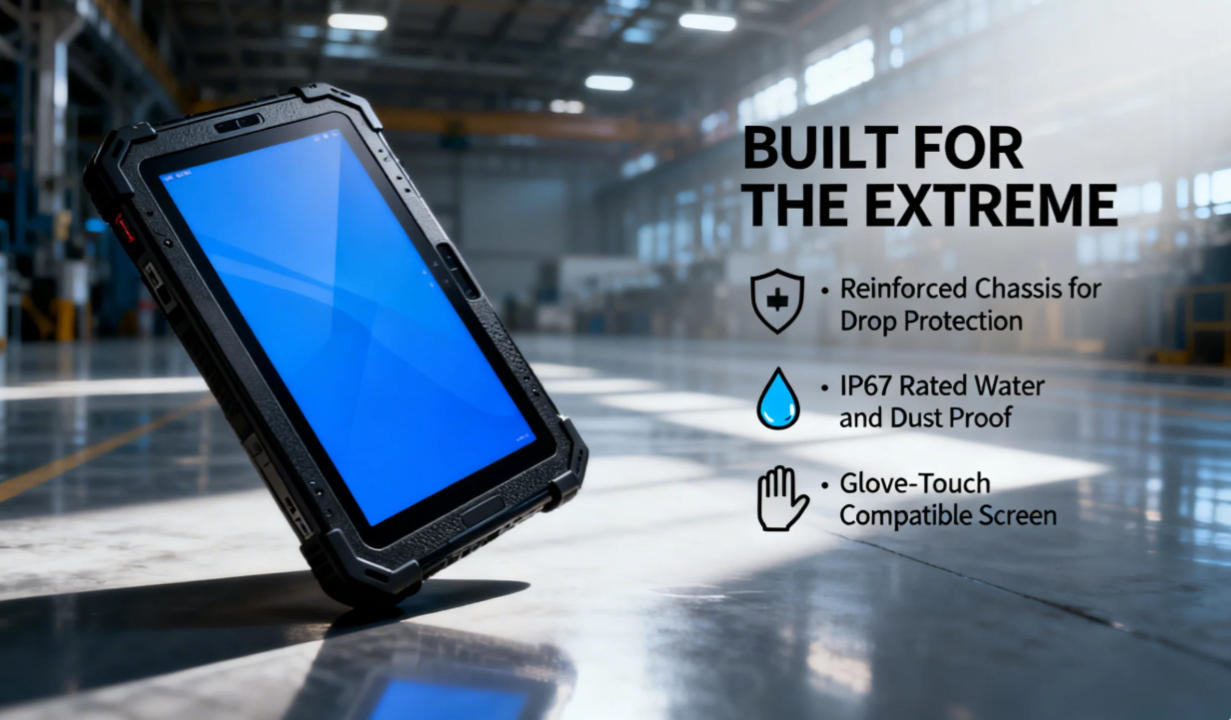
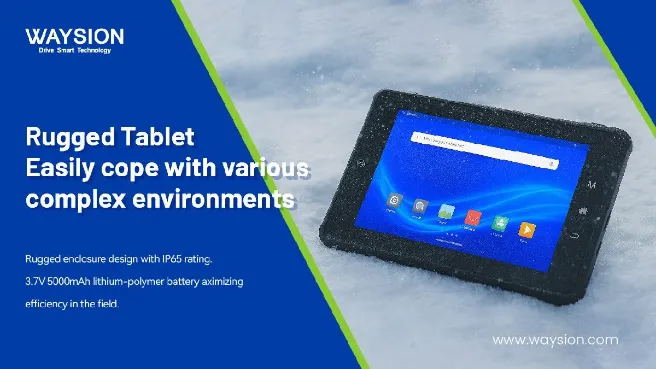
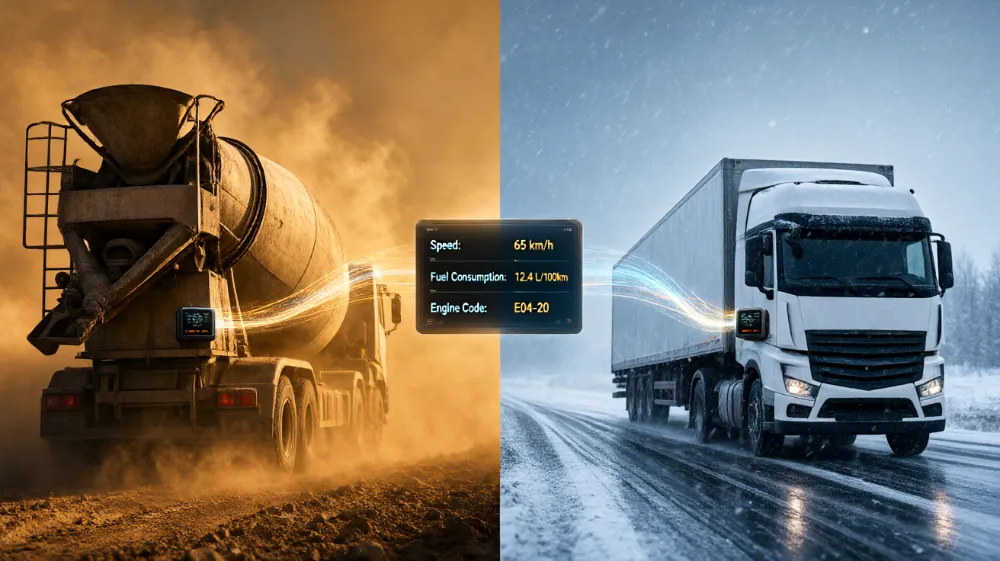
A rugged tablet is a mobile computer designed to operate in environments where standard consumer devices may fail. These devices are built to withstand shock, vibration, dust, moisture, temperature variation, sunlight, and continuous commercial use.
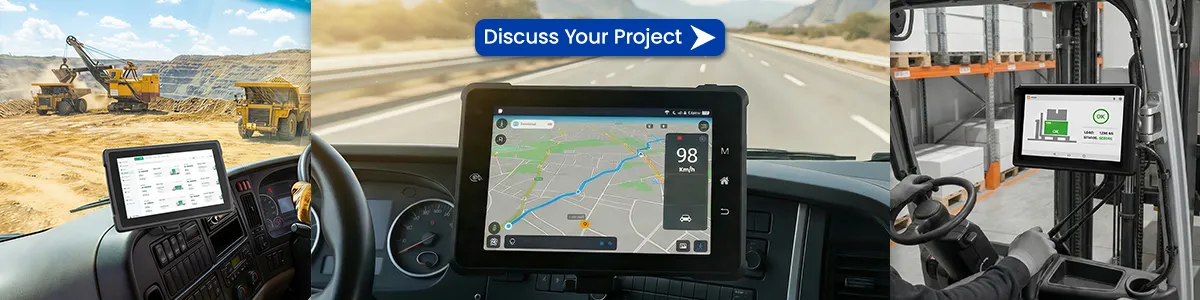
Rugged tablets are commonly used in fleet management, public transportation, logistics, warehousing, mining, construction, agriculture, field service, public safety, and industrial IoT applications.
Rugged tablet vs standard tablet
| Feature | Standard tablet | Rugged tablet |
|---|---|---|
| Primary use | Consumer and office use | Industrial, vehicle, and field use |
| Enclosure | Consumer-grade materials | Reinforced industrial enclosure |
| Ingress protection | Limited or no IP rating | IP54 to IP68 options |
| Drop and vibration resistance | Limited | Designed for harsh environments |
| Operating temperature | Consumer range | Wide-temperature options |
| Interfaces | Limited consumer ports | CAN bus, RS-232, RS-485, GPIO, Ethernet |
| Deployment model | Individual use | Fleet, enterprise, and industrial deployment |
A rugged tablet is not automatically suitable for every harsh environment. Buyers should match the device’s protection rating, testing evidence, connectivity, mounting method, and software support to the actual application.
Manufacturer vs Supplier
Not every company that sells rugged tablets is the company that manufactures them. Understanding this difference helps buyers assess responsibility, engineering capability, and long-term support.
| Type | What they usually do | What to verify |
|---|---|---|
| Manufacturer | Designs, engineers, assembles, tests, and supports devices | Factory, R&D team, QC process, testing capability |
| Trading company | Sources devices from factories and resells them | Actual factory relationship and after-sales responsibility |
| OEM manufacturer | Customizes and brands an existing hardware platform | Branding, software image, packaging, configuration |
| ODM manufacturer | Develops or modifies hardware and software around customer needs | Engineering team, tooling, certification, pilot production |
Before placing an order, ask whether the company is the actual manufacturer, an OEM partner, or a trading company. Request factory evidence, engineering documentation, and quality-control procedures rather than relying only on marketing claims.
How to Evaluate a Rugged Tablet Manufacturer
1. Manufacturing capability
A rugged tablet manufacturer should be able to explain how a device moves from design to mass production. Look for evidence of PCBA, assembly, functional testing, aging tests, serialization, quality control, and final inspection.
Ask the supplier:
- Where is the factory located?
- What is the factory size and production capacity?
- Which production stages are handled in-house?
- Which processes are outsourced?
- How are components sourced and traced?
- What quality-control steps are used before shipment?
- Can you provide factory photos, videos, or a virtual tour?
A supplier that cannot clearly explain its manufacturing process may have limited control over quality, delivery, and long-term support.
2. Rugged design experience
Rugged does not only mean a strong case. It means the device has been designed for specific environmental risks, including dust, water, vibration, impact, temperature extremes, sunlight, humidity, and electromagnetic interference.
Evaluate whether the manufacturer can support:
- IP54, IP65, IP67, or IP68 ingress protection requirements
- Drop and impact resistance
- Vibration resistance for vehicle and mobile use
- High- and low-temperature operation
- Temperature cycling
- Humidity exposure
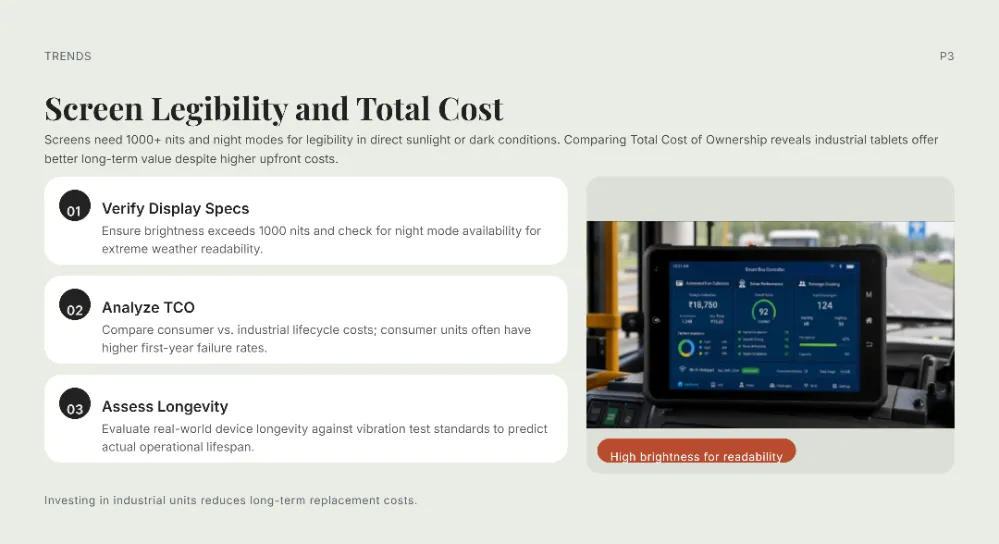
- Sunlight-readable display requirements
- Electromagnetic compatibility requirements
- Battery safety and transport compliance
Ask for test reports, test methods, sample units, or third-party verification where available. Do not accept an IP or MIL-STD claim without understanding what was tested and how.
3. IP and MIL-STD requirements
IP ratings and MIL-STD testing are useful indicators, but they must match the actual deployment environment.
| Requirement | What it indicates | When to consider it |
|---|---|---|
| IP65 | Dust-tight and protected against water jets | Most industrial and vehicle applications |
| IP67 | Dust-tight and protected against temporary immersion | Wet, dusty, or outdoor environments |
| IP68 | Dust-tight and protected against deeper or longer immersion | Water-heavy or specialized environments |
| MIL-STD-810G | Earlier military durability testing standard | Legacy program requirements |
| MIL-STD-810H | Newer military durability testing standard | Current rugged-device programs |
An IP rating describes ingress protection, while MIL-STD testing covers broader environmental and mechanical stress factors. Buyers should confirm the exact test conditions, duration, sample size, and whether the result applies to the final product configuration.
4. Operating system and software support
The operating system affects application compatibility, security updates, device management, and long-term maintenance. Rugged tablet manufacturers commonly offer Android, Windows, and Linux platforms.
| Operating system | Best for | Key considerations |
|---|---|---|
| Android | Fleet, logistics, field service, custom enterprise apps | App ecosystem, MDM, update policy |
| Windows | Legacy enterprise software, desktop applications | Licensing, power use, thermal design |
| Linux | Embedded systems, custom software stacks, specialized devices | Driver support, development resources |
| Android + Linux dual-OS | Projects needing flexible deployment | Hardware support and update strategy |
Ask whether the manufacturer can provide a custom Android image, kiosk mode, application allowlisting, MDM enrollment, OTA updates, security patches, and long-term software maintenance.
5. Hardware customization
A good rugged tablet manufacturer should be able to adapt the device to the customer’s workflow. Customization may include display, touch, battery, camera, barcode scanner, RFID/NFC, GNSS, industrial interfaces, wireless modules, enclosure, mounting, and accessories.
Common customization areas include:
- Screen size and resolution
- High-brightness or sunlight-readable display
- Capacitive or resistive touch
- Battery capacity and replaceability
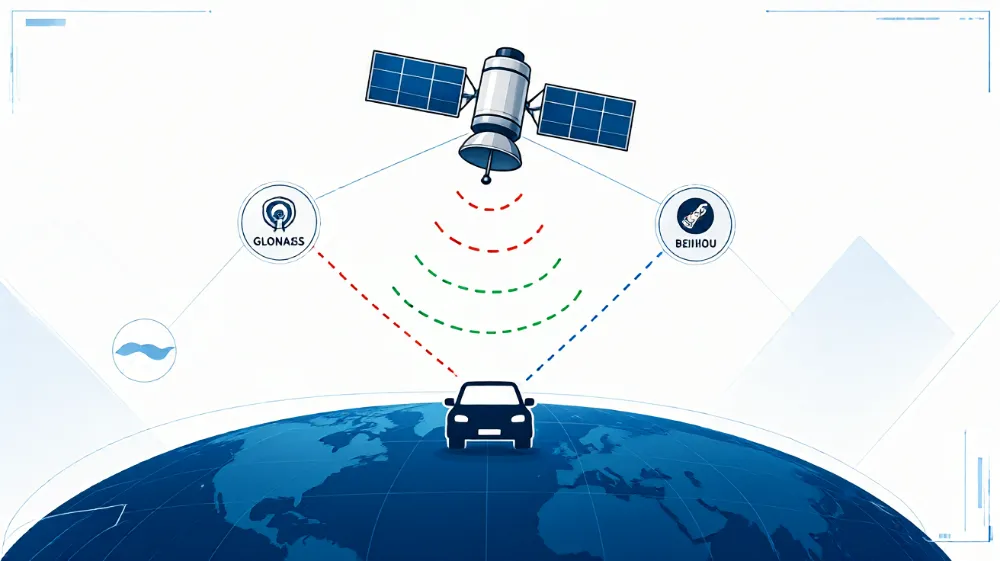
- 4G/LTE, 5G, Wi-Fi, Bluetooth, and GNSS
- CAN bus, RS-232, RS-485, Ethernet, GPIO, and USB
- Ignition sensing and vehicle power input
- Barcode, RFID, NFC, camera, and sensor modules
- Logo, boot screen, packaging, and documentation
- Custom Android image and MDM configuration
Before requesting a quotation, define the minimum viable configuration. This helps the supplier provide a more accurate price, lead time, and engineering plan.
6. OEM and ODM capability
OEM and ODM are not the same. OEM usually means branding and configuring an existing platform. ODM usually means deeper engineering involvement, such as modified enclosure, custom PCB, specialized interfaces, or a differentiated product architecture.
| Service type | Typical scope | Best for |
|---|---|---|
| OEM | Logo, packaging, software image, configuration, accessories | Customers using an established platform |
| ODM | Hardware, enclosure, interface, connectivity, and architecture customization | Customers needing a differentiated product |
| White-label | Branding and channel-specific configuration | Distributors and resellers |
| Joint development | Shared product definition and engineering | Complex or strategic projects |
Ask for examples of previous OEM or ODM projects, engineering change processes, pilot-production support, and certification planning.
7. Certifications and compliance
Certification requirements vary by market, product configuration, wireless module, battery, and intended use. A reliable manufacturer should help identify the required certifications early in the project rather than treating compliance as an afterthought.
Common requirements include:
- CE for European markets
- FCC for United States market access
- RoHS for hazardous-substance restrictions
- Wireless module certifications
- Battery transport compliance
- E-Mark for automotive-related applications
- ELD-related requirements for certain fleet applications
Ask which certificates apply to the exact hardware configuration, not only to a similar product family. Request certificate copies, test reports, or documentation showing the certified model and configuration.
8. Quality control and traceability
Quality control should cover the full production process, not only final inspection. Ask how the manufacturer handles incoming materials, PCBA inspection, assembly control, functional testing, aging tests, serialization, and shipment audit.
A strong supplier should be able to explain:
- Incoming quality control
- In-process quality control
- Functional testing
- Aging and burn-in testing
- Environmental testing
- Serial-number traceability
- Final quality audit
- RMA and repair process
- Spare-parts availability
- Firmware and security-update policy
For fleet, industrial, and field-service deployments, lifecycle support is often more important than the lowest initial unit price.
9. MOQ, lead time, and pricing
Minimum order quantity, lead time, and price depend on whether the project uses a standard platform, a customized configuration, or a fully custom design. Buyers should request a detailed quotation rather than comparing only unit price.
| Project type | Typical MOQ | Typical lead time | Cost drivers |
|---|---|---|---|
| Standard configuration | Flexible or low MOQ | Shorter lead time | Configuration and volume |
| OEM customization | Usually higher than standard | Medium lead time | Branding, software, accessories |
| ODM customization | Usually 500+ units | Longer lead time | Engineering, tooling, certification |
| Fully custom design | Project-based | Longest lead time | R&D, tooling, certification, testing |
A complete quotation should include unit price, tooling fees, sample cost, certification cost, shipping terms, payment terms, lead time, warranty, spare-parts policy, and RMA process.
10. After-sales and lifecycle support
Rugged tablets are long-life industrial assets. A supplier should be able to support the device beyond the first shipment.
Ask about:
- Warranty period and coverage
- RMA process and repair turnaround
- Spare-parts availability
- Firmware update policy
- Security patch policy
- End-of-life and component-availability planning
- Technical-support response time
- Software and MDM support
- Accessory and dock availability
A low purchase price can become expensive if spare parts, firmware updates, or repair support are unavailable later.
Leading Rugged Tablet Manufacturers
The following companies are commonly considered across enterprise mobility, industrial computing, public safety, field service, and vehicle-mounted applications. Their suitability depends on the buyer’s application, deployment scale, operating system, customization needs, and support requirements.
1. Zebra Technologies
Zebra Technologies is a global enterprise mobility company known for barcode scanning, mobile computing, and supply-chain solutions. Its rugged tablets are commonly used in warehousing, retail, manufacturing, logistics, and field mobility.

Typical strengths
- Enterprise mobility and data-capture ecosystem
- Barcode scanning and workflow integration
- Android enterprise deployment experience
- Strong presence in logistics and retail
Best for: Buyers prioritizing enterprise mobility, scanning workflows, and established software ecosystems.
2. Getac
Getac focuses on rugged computing for public safety, defense, utilities, field service, and industrial environments. Its devices are designed for demanding outdoor and mission-critical workflows.

Typical strengths
- Fully rugged and semi-rugged device options
- Strong focus on public safety and field service
- Sunlight-readable displays and glove-touch options
- Rugged vehicle and field deployments
Best for: Buyers needing high-durability devices for public safety, utilities, and extreme field conditions.
3. Panasonic Toughbook
Panasonic Toughbook is a long-established rugged computing brand serving defense, public safety, utilities, manufacturing, and field-service markets. Its products are often used in mission-critical mobile workforces.
Typical strengths
- Long rugged-computing heritage
- Modular and configurable device designs
- Strong focus on durability and service life
- Windows-based enterprise deployments
Best for: Buyers prioritizing proven rugged platforms, configurability, and long-term enterprise support.
4. Waysion Technology
Waysion Technology is a China-based rugged tablet manufacturer focused on vehicle-mounted and industrial applications. Its portfolio includes 7–10.1 inch rugged Android and Linux tablets for fleet management, logistics, mining, and transportation.

Typical strengths
- Vehicle-mounted and industrial rugged tablet focus
- Android and Linux platform options
- OEM and ODM customization support
- Industrial interfaces and vehicle-oriented connectivity
Best for: Buyers seeking customizable rugged tablets for fleet, transportation, mining, agriculture, and industrial deployment.
View Waysion’s rugged tablet solutions
5. Winmate
Winmate is an industrial computing company offering rugged tablets, vehicle-mount computers, and embedded systems for factory automation, transportation, marine, and industrial environments.

Typical strengths
- Industrial and embedded computing focus
- Vehicle-mount and panel PC experience
- High-brightness display options
- Industrial and marine applications
Best for: Buyers needing industrial computing devices for automation, transportation, and specialized environments.
6. RuggON
RuggON provides rugged mobile computing devices for logistics, construction, public safety, and field-service applications. Its products are designed for durable mobile workflows and vehicle-based operations.

Typical strengths
- Rugged tablet and vehicle-mount focus
- Construction and logistics applications
- Customizable rugged computing options
- Field-service and mobile workforce use cases
Best for: Buyers seeking rugged devices for construction, logistics, and field operations.
7. Dell Rugged
Dell Latitude Rugged products are designed for enterprise users who require Windows compatibility, security features, and durable mobile computing. They are commonly used in field service, utilities, public safety, and industrial environments.
Typical strengths
- Windows enterprise compatibility
- Security and manageability features
- Strong enterprise IT ecosystem
- Field-service and public-safety use cases
Best for: Buyers prioritizing Windows compatibility, enterprise IT integration, and security management.
8. Samsung Rugged
Samsung Galaxy Tab Active devices are designed for mobile workers who need a familiar Android experience with added durability. They are often used in retail, logistics, field service, and light industrial applications.
Typical strengths
- Familiar Android ecosystem
- Replaceable battery options
- Lightweight and portable design
- Suitable for lighter rugged requirements
Best for: Buyers needing a consumer-friendly Android device with added durability for field teams.
9. Trimble
Trimble provides rugged mobile computing solutions for geospatial, surveying, construction, mapping, and GIS applications. Its devices are designed for precise data collection and field-to-office workflows.
Typical strengths
- GNSS and geospatial integration
- Surveying and construction workflows
- High-precision data capture
- Field-to-office data synchronization
Best for: Buyers in surveying, GIS, construction, mapping, and precision-dependent field applications.
10. Handheld Group
Handheld Group specializes in rugged mobile computers for forestry, utilities, mining, public transportation, military, and other demanding field environments. Its products include Android and Windows rugged devices.
Typical strengths
- Ultra-rugged mobile computing focus
- Outdoor and extreme-environment applications
- Android and Windows platform options
- Ergonomic designs for field use
Best for: Buyers needing specialized rugged devices for forestry, utilities, mining, and outdoor fieldwork.
Supplier Evaluation Framework
Rather than relying only on brand recognition, buyers should compare suppliers using a structured framework.
| Evaluation factor | What to verify | Why it matters |
|---|---|---|
| Manufacturing capability | Factory, production process, QC | Delivery and quality consistency |
| Rugged design | IP, drop, vibration, temperature testing | Real-world reliability |
| OS support | Android, Windows, Linux, MDM, updates | Deployment and security |
| Customization | Hardware, interfaces, software, branding | Fit for specific workflow |
| Certification | CE, FCC, RoHS, wireless, battery | Market access and compliance |
| Commercial terms | MOQ, lead time, payment, shipping | Procurement planning |
| Lifecycle support | Warranty, RMA, spare parts, updates | Long-term cost of ownership |
This framework helps buyers compare suppliers objectively instead of choosing based only on price or marketing claims.
Buyer’s Checklist
Use this checklist before selecting a rugged tablet manufacturer.
- Confirm whether the company is a manufacturer, OEM partner, or trading company
- Request factory address, photos, video, or a virtual tour
- Verify business-registration information and company history
- Ask for R&D team size and engineering capability
- Review product portfolio and relevant industry experience
- Request IP, MIL-STD, CE, FCC, RoHS, and wireless certification evidence
- Ask for test reports and the exact tested configuration
- Confirm OEM and ODM customization scope
- Request sample units for evaluation
- Clarify MOQ, lead time, payment terms, and shipping terms
- Review warranty, RMA, spare-parts, and software-update policy
- Ask for customer references where appropriate
- Compare total cost of ownership, not only unit price
Questions to Ask Before Ordering
About the factory
- Where is your manufacturing facility located?
- What production processes are handled in-house?
- What is your monthly production capacity?
- Can you provide factory photos, video, or a site visit?
- How do you control component quality and traceability?
About rugged performance
- What IP rating applies to this exact configuration?
- What drop height and test method were used?
- What temperature range has been validated?
- Can you provide vibration, humidity, and EMC test reports?
- How do you validate battery safety and transport compliance?
About customization
- Can you customize the enclosure, display, touch, battery, and interfaces?
- Can you support CAN bus, RS-232, RS-485, Ethernet, and GPIO?
- Can you provide a custom Android image or Linux build?
- Can you support MDM enrollment and device provisioning?
- What is the MOQ and lead time for customization?
About compliance
- Which certifications apply to this exact configuration?
- Can you provide CE, FCC, RoHS, and wireless certification documents?
- How do you handle certification for a customized configuration?
- What documentation will be provided before shipment?
About lifecycle support
- What is the warranty period?
- What is the RMA process and repair turnaround?
- Are spare parts available after end of life?
- How long will firmware and security updates be supported?
- Can you support accessories, docks, and replacement batteries?
Common Buying Mistakes
1. Comparing only unit price
A lower unit price may not include tooling, certification, software customization, spare parts, warranty, or RMA support. Buyers should compare total cost of ownership.
2. Accepting unclear IP or MIL-STD claims
Ask for the exact test standard, test condition, sample configuration, and supporting documentation.
3. Ignoring software lifecycle
Enterprise deployments require security patches, MDM support, application compatibility, and long-term update planning.
4. Underestimating certification time
Certification can affect enclosure design, antenna placement, component selection, documentation, and launch schedule. It should be planned during early engineering.
5. Not validating a pilot batch
A pilot batch helps identify assembly consistency, accessory compatibility, charging behavior, thermal performance, MDM enrollment, and field failure risks before mass production.
How to Run a Supplier Evaluation
- Define the application, users, environment, quantity, and deployment timeline.
- Create a technical requirement list covering display, OS, interfaces, battery, connectivity, and certifications.
- Shortlist manufacturers with relevant industry and OEM/ODM experience.
- Request factory evidence, certifications, and sample units.
- Compare quotations based on total cost of ownership.
- Run a pilot batch before committing to volume production.
- Agree on warranty, RMA, spare-parts, software-update, and end-of-life policies.
Industry Trends
The rugged tablet market continues to evolve as industries demand more durable, connected, and manageable mobile devices. Key trends include higher ingress protection, improved battery technology, 5G connectivity, IoT integration, AI-enabled workflows, and stronger device-management requirements.
Key trends
- Higher IP ratings and more rigorous environmental testing
- Improved battery life and power management
- 5G and multi-network connectivity
- IoT and AI integration
- Stronger MDM and enterprise security requirements
- More demand for vehicle-mounted and industrial rugged devices
FAQ
What is a rugged tablet manufacturer?
A rugged tablet manufacturer designs, engineers, assembles, tests, and supports industrial-grade mobile computing devices for demanding environments.
How do I verify a China rugged tablet manufacturer?
Ask for factory evidence, business-registration information, R&D capability, quality-control procedures, certification documents, sample units, and customer references.
What is the difference between OEM and ODM?
OEM usually involves branding and configuring an existing platform. ODM involves deeper engineering customization, such as enclosure, hardware, interfaces, connectivity, and product architecture.
Which IP rating do I need?
The correct IP rating depends on the actual environment. IP65 may be sufficient for many vehicle and industrial applications, while IP67 or IP68 may be necessary for wetter or more demanding environments.
Is MIL-STD testing necessary?
MIL-STD testing can indicate durability performance, but buyers should confirm the exact test methods, conditions, and whether the result applies to the final product configuration.
Should I request a sample before mass production?
Yes. Samples and a pilot batch help validate display, touch, battery, wireless performance, industrial interfaces, software, accessories, and real-world deployment factors.
How do I compare rugged tablet suppliers?
Compare factory capability, engineering support, certification evidence, quality control, lead time, warranty, spare-parts policy, software support, and total cost of ownership—not only unit price.
Tags: best rugged computer and tablet manufacturers, rugged computer manufacturers, Rugged Tablet Manufacturers, rugged tablet supplier, Rugged tablets for construction, Top 10 rugged tablets