Custom Hardware · OEM/ODM · Industrial Mobility
Custom Tablet Manufacturer
A custom tablet manufacturer turns a business workflow into a purpose-built mobile device—combining rugged enclosure design, industrial interfaces, OS control, branding, wireless connectivity, and long-term supply support.
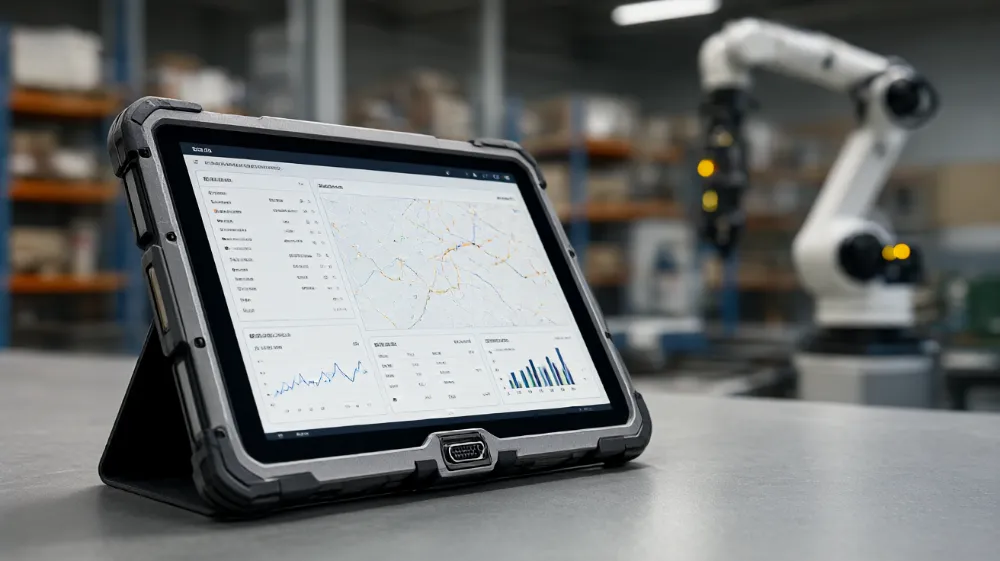
The best custom tablet manufacturer is not simply the lowest-cost factory. It is a partner that can translate your workflow into a validated, manufacturable, supportable device—without compromising certification, component availability, software stability, or delivery reliability.
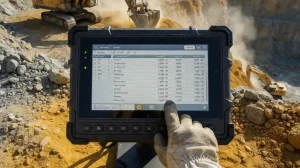
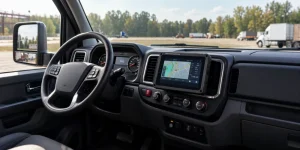
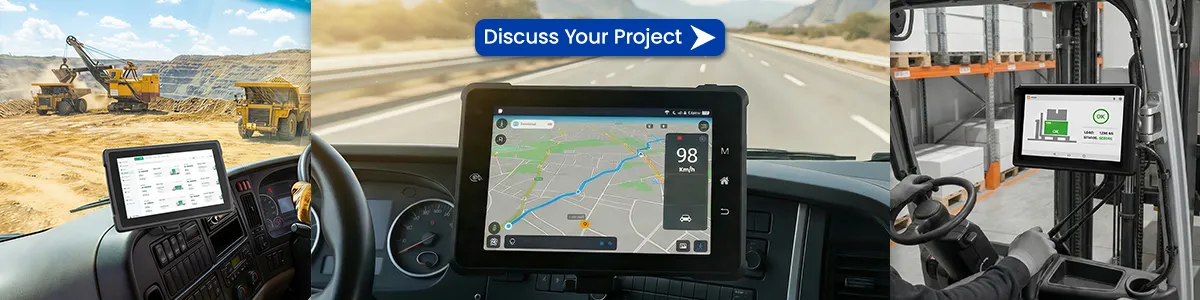
Businesses choose custom tablets when standard consumer devices cannot survive the environment or cannot integrate with the required workflow. Common examples include warehouse scanning, vehicle mounting, field inspection, medical carts, POS terminals, industrial IoT gateways, mining operations, construction sites, and fleet management.
A capable OEM/ODM manufacturer should support the entire product lifecycle: requirement definition, industrial design, PCB and enclosure engineering, display and touch optimization, wireless certification, software image control, pilot production, mass manufacturing, and after-sales service. Mature rugged-device manufacturers commonly structure OEM/ODM programs around concept creation, mechanical design, component selection, prototyping, environmental testing, and mass production.
How a custom tablet project works
A successful custom tablet is not created by adding a logo to an off-the-shelf product. It begins with a clear operational problem and ends with a repeatable production and support process.
Define the use case
Document the users, environment, applications, battery expectations, connectivity needs, mounting method, data interfaces, and required certifications. A tablet for an outdoor surveying crew has very different requirements from a tablet used in a warehouse or vehicle.
Select the platform
Choose Android, Windows, or Linux based on application compatibility, peripheral support, security requirements, and update policy. Android is common for frontline mobility; Windows is often preferred for legacy industrial software and specialized peripherals.
Engineer the hardware
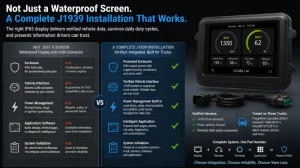
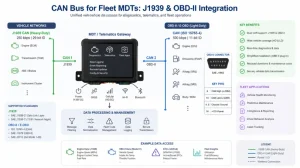
Customize display brightness, touch technology, battery capacity, camera modules, barcode scanning, RFID/NFC, GNSS/RTK, RS-232/RS-485, CAN bus, Ethernet, GPIO, ignition sensing, and mounting points.
Validate and certify
Validate drop resistance, vibration, temperature, dust and water ingress, electromagnetic compatibility, wireless performance, battery safety, and software stability. The IEC IP rating system grades protection against dust and liquid intrusion; the second digit specifically addresses liquid protection. Review the IEC IP rating framework.
Pilot and scale
Run a pilot batch with real users before committing to volume. Confirm assembly consistency, accessory compatibility, charging behavior, thermal performance, MDM enrollment, and field failure rates.
Support the lifecycle
Plan for spare parts, firmware updates, security patches, accessory supply, RMA processes, and component availability. A custom device should remain maintainable for the full deployment period—not only for the first shipment.
What a serious manufacturer must control
Rugged design
IP sealing, drop protection, vibration tolerance, wide-temperature operation, glove touch, and sunlight-readable displays.
Industrial I/O
RS-232, RS-485, CAN bus, RJ45, GPIO, USB, ignition sensing, barcode, RFID, NFC, and GNSS integration.
Software control
Custom boot image, locked-down launcher, OTA updates, MDM support, security configuration, and application allowlisting.
Supply continuity
Long-term BOM control, component substitution planning, spare-part availability, and predictable production capacity.
OEM vs. ODM: which model fits?
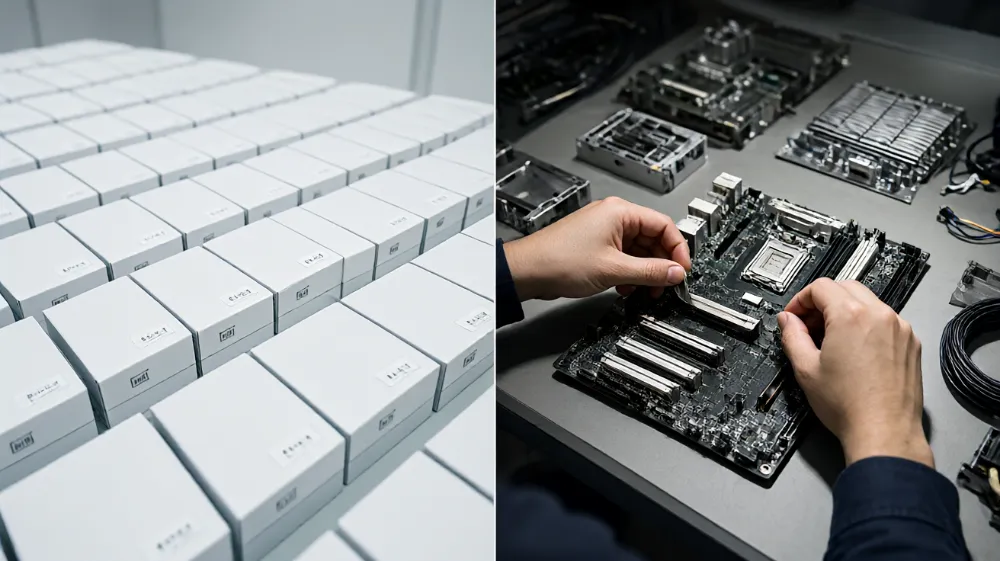
OEM and ODM are often used interchangeably, but they represent different levels of engineering involvement. Choosing the wrong model can create unnecessary tooling costs, slower time to market, or a device that cannot evolve with your business.
OEM: brand-led customization
The manufacturer supplies an existing hardware platform that you brand, configure, package, and deploy. This is suitable when time to market, predictable cost, and moderate customization matter most.
ODM: design-led customization
The manufacturer helps define or modify the product architecture, enclosure, interfaces, components, software, and validation plan. This is better for specialized form factors, proprietary workflows, regulated environments, or products intended for long-term differentiation.
Capabilities to require from a manufacturer
Before requesting a quotation, ask each custom tablet manufacturer to prove—not merely claim—the following capabilities.
Hardware engineering
Look for in-house or tightly controlled mechanical, electrical, firmware, and thermal engineering—not only assembly capability.
Environmental testing
Request test reports for IP ingress, drop, vibration, temperature cycling, salt fog where relevant, and battery safety.
Certification support
Confirm support for CE, FCC, RoHS, wireless module certifications, battery transport requirements, and destination-market compliance.
Software lifecycle
Require a documented OS image, security patch policy, OTA or local update process, MDM compatibility, and long-term software maintenance plan.
Quality system
Ask about incoming inspection, in-process quality control, aging tests, functional testing, serialization, and final audit procedures.
After-sales service
Clarify warranty terms, repair turnaround, spare-parts availability, RMA workflow, and technical support before signing a production agreement.
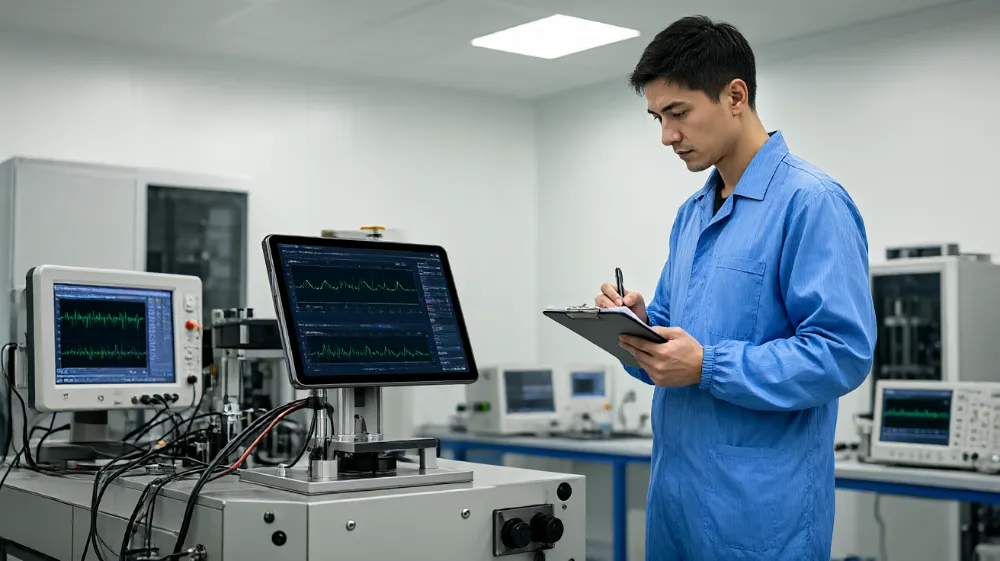
Validation should reflect the actual deployment environment—not only laboratory conditions.
Rugged does not mean indestructible
“Rugged” is a marketing term unless it is tied to measurable requirements. Specify the exact IP rating, drop height and surface, operating temperature range, vibration profile, humidity exposure, chemical exposure, and expected service life.
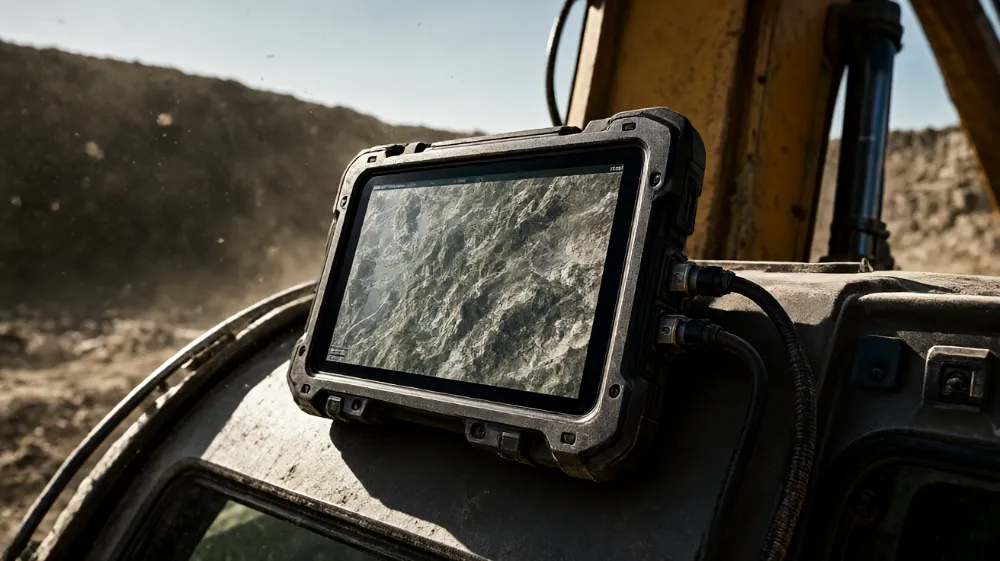
For example, IP65 indicates dust protection and protection against water projected from a nozzle, while IP67 adds protection against temporary immersion. The appropriate level depends on whether the device will face rain, washdown, dust storms, submersion, or high-pressure cleaning.
Environmental test standards should also match the deployment scenario. MIL-STD-810 provides an environmental tailoring process for considering stresses across a product’s service life; it does not impose a universal pass/fail specification.
Custom tablet manufacturer checklist
Use this checklist during supplier evaluation. A manufacturer that cannot answer these questions clearly may create risk later in the project.
Can the manufacturer provide reference projects in your industry and environment?
Does it control or directly manage enclosure tooling, PCB assembly, display bonding, testing, and final assembly?
Can it provide a Bill of Materials with component lifecycle and alternative-source planning?
Will it define ownership of molds, firmware, software customizations, test reports, and design files?
Does it support Android Enterprise provisioning, MDM enrollment, QR-code setup, and enterprise policy enforcement?
Can it commit to spare parts, repair support, and product availability for the planned deployment period?
Do not overlook device provisioning
A custom tablet is only useful if it can be deployed securely at scale. For Android projects, require support for fully managed device enrollment, QR-code provisioning, NFC provisioning where appropriate, corporate Wi-Fi configuration, and enterprise policy enforcement.
Android Enterprise defines provisioning as the process of preparing a device for management, typically by transferring setup details such as corporate Wi-Fi credentials and installing Android Device Policy.
Custom tablet manufacturer FAQs
What is a custom tablet manufacturer?
A custom tablet manufacturer designs, engineers, configures, certifies, and produces tablet computers for a specific customer or market. Services may include OEM branding, ODM engineering, custom I/O, software images, ruggedization, accessories, and lifecycle support.
What is the difference between OEM and ODM tablets?
OEM usually means an existing platform is customized and branded for the buyer. ODM involves deeper design participation, potentially including enclosure changes, hardware modules, software, testing, and product architecture.
How long does custom tablet development take?
Simple branding or configuration changes may take weeks. A fully custom enclosure, new tooling, specialized modules, certification, and pilot production can take several months or longer, depending on complexity and approval cycles.
What should I customize first?
Start with the workflow, not the appearance. Define screen size, operating system, connectivity, battery life, scanning or RFID needs, mounting, data interfaces, environmental protection, and device-management requirements before discussing cosmetics.
Which industries use custom rugged tablets?
Common industries include logistics, warehousing, manufacturing, construction, mining, agriculture, public safety, healthcare, transportation, retail, utilities, and industrial IoT.
Work with a rugged tablet manufacturer
For organizations evaluating factory-direct rugged Android, Windows, or Linux tablets, Waysion provides customizable hardware platforms, OEM/ODM support, and industry-specific mobile computing solutions.
Explore Waysion’s rugged tablet solutions | Read Waysion’s rugged tablet manufacturer guide
Choose a manufacturer that can engineer the device, validate it in the field, and support it for years.
Tags: Android enterprise tablet manufacturer, custom Android tablet manufacturer for business, custom rugged tablet for warehouse and field service, custom tablet manufacturer for industrial applications, custom tablet PC manufacturer for logistics and manufacturing, industrial tablet manufacturer with custom hardware, OEM ODM rugged tablet manufacturer, rugged tablet OEM/ODM customization services