- What is Forklift Fleet Management? (Definition + ROI)
- Key Challenges in Fleet Operations (Pain Points)
- Core Fleet Management Components (Essential Functions)
- Telematics & Advanced Technology Integration (How to reduce forklift downtime costs)
- Cost Optimization Strategies (Predictive maintenance for forklifts ROI)
- Safety & Compliance Standards (OSHA compliance forklift certification tracking)
- Fleet Management Software Comparison (Small warehouse fleet management software)
- Implementation Roadmap & Best Practices
- FAQ Section
Forklift fleet management is a strategic approach that integrates real-time monitoring, predictive maintenance, and operator accountability to reduce total cost of ownership by 15-30%. Modern telematics systems leverage AI-powered analytics to identify equipment failures before they occur, minimizing downtime and preventing costly accidents. This comprehensive guide explores how warehouse managers can optimize fleet utilization, ensure OSHA compliance, and implement scalable solutions—whether managing 5 units or 500+ assets across multiple locations. Discover proven strategies, ROI calculations, and industry benchmarks that transform material handling operations.
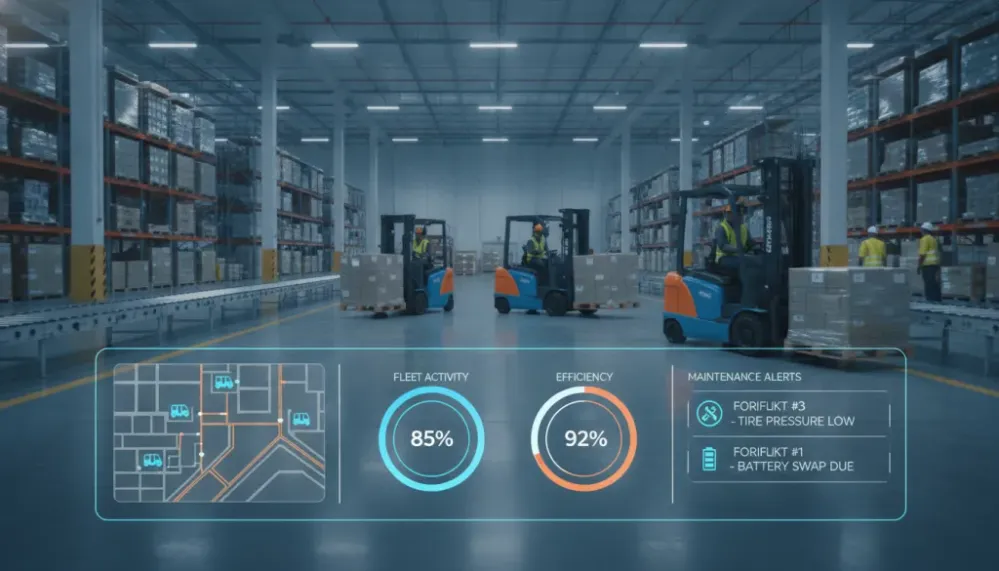
What is Forklift Fleet Management? (Definition + ROI)
Forklift fleet management encompasses the strategic oversight of material handling equipment, including acquisition, maintenance, operator training, and performance optimization. Unlike traditional equipment ownership models, modern fleet management systems provide real-time visibility into vehicle utilization, maintenance schedules, and safety metrics. Organizations implementing fleet management software report 25-40% reduction in emergency repairs and a 35% decrease in equipment-related accidents.
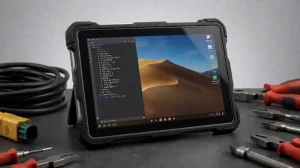
The practice combines three critical components: hardware (telematics sensors, GPS tracking devices), software (cloud-based dashboards and analytics platforms), and operational protocols (preventive maintenance schedules, operator certification programs). This integrated ecosystem transforms warehouses from reactive maintenance cultures to proactive, data-driven operations.
Small warehouses with just 5-10 forklifts benefit equally from structured fleet oversight as large distribution centers managing 200+ units. The scalability of modern solutions means that even modest operations can access enterprise-grade analytics. Key metrics tracked include cost per operating hour, utilization rates, operator certification status, and preventive maintenance compliance.
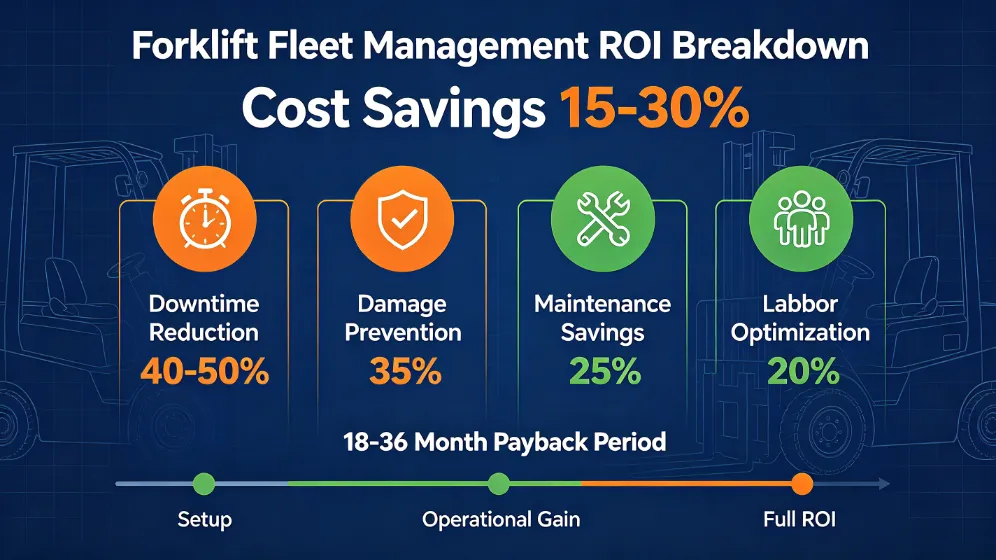
ROI Impact: Companies implementing fleet management report average savings of 15,000−15,000-15,000−50,000 annually per 10-unit fleet through reduced downtime, lower repair costs, and optimized operator efficiency. The payback period typically ranges from 18-36 months, depending on fleet size and baseline operational maturity.
Key Challenges in Fleet Operations (Pain Points)
Warehouse managers face multiple operational challenges without proper fleet management infrastructure. Uncontrolled downtime costs approximately 2,000−5,000 per hour for large distribution centers, making preventive maintenance critical to operations. A single forklift breakdown in a busy fulfillment center can cascade into delays affecting hundreds of orders.
Operator error accounts for 60% of equipment damage, resulting in repair costs ranging from 500−3,000 per incident. Impact sensors and telematics data reveal that untrained operators cause significantly more collisions, property damage, and safety incidents. This represents a direct correlation between operator accountability and asset protection.
Multi-location fleet consolidation creates visibility gaps, with managers unable to track equipment across 50+ sites. When organizations operate distributed warehouses, the lack of centralized oversight leads to duplicate purchases, inefficient asset allocation, and compliance gaps across locations.
Legacy equipment retrofitting presents compatibility challenges. Older forklifts lack native telematics capabilities, requiring aftermarket sensor installations that may not integrate seamlessly with modern management platforms. The cost-benefit analysis of retrofitting versus replacement becomes complex.
Scalability concerns emerge when growing from 10 to 100+ units. Systems that work for small operations may not handle enterprise-scale data volumes, creating bottlenecks in reporting and decision-making.
Data privacy regulations (GDPR, CCPA) complicate employee monitoring initiatives. Operators and their representatives may resist tracking systems perceived as invasive, requiring careful communication about data usage and privacy safeguards.
Core Fleet Management Components (Essential Functions)
Real-Time Data Analytics & Visibility
Cloud-based dashboards consolidate telemetry data from all connected vehicles, providing actionable insights on utilization patterns, fuel/battery consumption, and maintenance requirements. Predictive analytics identify equipment trending toward failure with 85% accuracy, enabling proactive interventions before catastrophic breakdowns occur. Modern platforms process millions of data points daily, transforming raw sensor information into strategic intelligence.
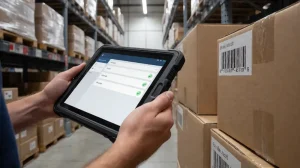
Dashboard KPIs typically include: equipment utilization percentage, cost per operating hour, maintenance compliance rates, operator safety scores, and energy consumption metrics. Managers access these dashboards via mobile apps, enabling real-time decision-making on the warehouse floor.
Preventive Maintenance Programs
Structured maintenance schedules reduce emergency repairs by 40-50% compared to reactive maintenance models. Automated alerts notify technicians of upcoming service windows, fluid level warnings, and tire condition issues before they cause equipment failure. Maintenance history is digitally documented, creating an audit trail for compliance verification.
Preventive maintenance typically includes: fluid level checks (hydraulic, coolant), tire inspections, brake system testing, and electrical component verification. Scheduling these services during low-utilization periods minimizes operational disruption.
Operator Management & Accountability
Digital certification tracking ensures compliance with OSHA requirements, which mandate that forklift operators hold valid certifications renewed every three years. Impact sensors record collision events with timestamp and G-force data, enabling targeted retraining and accountability measures that reduce damage costs by 35%. Operator scorecards track individual performance metrics, identifying training opportunities and recognizing top performers.
Fleet Utilization Optimization
Usage analytics reveal underutilized assets, informing right-sizing decisions. Distribution algorithms suggest optimal equipment deployment across warehouse zones, improving productivity by 20-30%. By analyzing historical usage patterns, managers can determine whether additional equipment is needed or whether existing assets can be redistributed more efficiently.
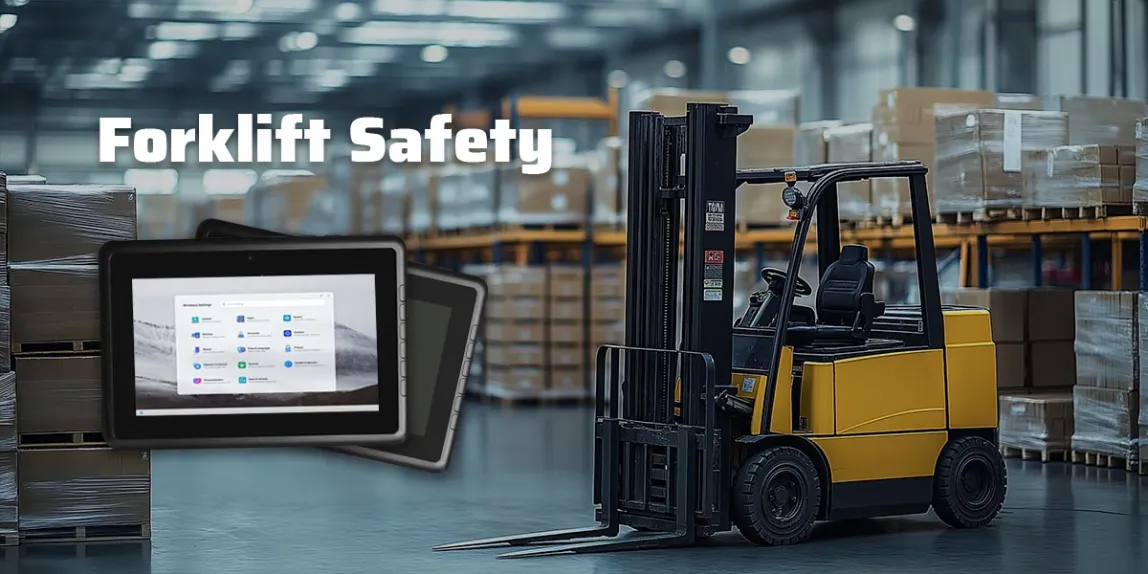
Telematics & Advanced Technology Integration (How to reduce forklift downtime costs)
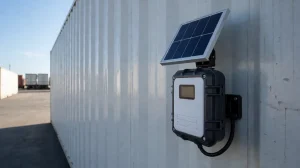
Forklift telematics systems use IoT sensors to collect vehicle data continuously—measuring engine parameters, location, usage duration, and impact events. This information transmits via cellular or WiFi networks to cloud platforms, where AI algorithms process the data in real-time.
GPS Tracking & Geofencing: Enables precise location monitoring within warehouse facilities. Geofencing alerts managers when equipment moves outside designated areas, preventing theft and unauthorized use. For multi-location operations, GPS data reveals which sites are overutilized and which have excess capacity.
AI-Powered Predictive Maintenance: Analyzes sensor patterns to forecast component failures 2-4 weeks before they occur. Machine learning models identify subtle changes in equipment behavior that precede failures, allowing maintenance teams to schedule repairs proactively. This approach reduces unplanned downtime by 40-50%.
Battery Monitoring Systems: Optimize charging cycles, extending lead-acid battery lifespan by 15-20% and reducing energy costs. Sensors track voltage, temperature, and charge cycles, alerting operators when batteries require maintenance. Lithium-ion battery management becomes particularly critical, as improper charging significantly reduces lifespan.
Impact Detection Sensors: Measure G-forces during collisions, providing evidence for driver coaching and insurance claims. These sensors record the severity and location of impacts, enabling facility managers to identify high-risk warehouse zones requiring additional safety measures.
WMS Integration: Creates seamless workflows between fleet management and warehouse management systems, reducing manual data entry by 60% and improving operational accuracy. Integrated systems enable automated task assignment, route optimization, and real-time inventory visibility.
Cost Optimization Strategies (Predictive maintenance for forklifts ROI)
Total Cost of Ownership (TCO) Analysis: Encompasses acquisition costs, maintenance expenses, fuel/energy consumption, operator wages, and downtime losses. Fleet management systems provide granular TCO visibility, identifying cost reduction opportunities across all categories.
Preventive Maintenance ROI: Preventive maintenance costs 30-50% less than emergency repairs. A single emergency hydraulic system failure can cost 2,000−4,000, while preventive maintenance might cost 300−500. Over a year, this differential compounds significantly.
Fuel/Battery Optimization: Telematics data reveals inefficient usage patterns—excessive idle time, unnecessary travel, or improper charging cycles. Coaching drivers to optimize routes and minimize idle time reduces energy costs by 15-25%.
Right-Sizing Fleet Assets: Utilization data reveals which equipment sits idle. Removing underutilized units reduces carrying costs while maintaining operational capacity. For a 50-unit fleet, right-sizing might eliminate 5-10 units, saving 50,000−100,000 annually.
Damage Prevention: Impact sensors and operator accountability reduce equipment damage by 35%, translating to 20,000−50,000 annual savings for medium-sized fleets.
Labor Optimization: By understanding utilization patterns, managers can optimize operator schedules, reducing unnecessary overtime and improving crew productivity by 20-30%.
Safety & Compliance Standards (OSHA compliance forklift certification tracking)
OSHA Forklift Requirements: OSHA 1910.178 mandates that forklift operators hold valid certifications, renewed every three years. Training must cover vehicle-specific operation, safety procedures, and hazard identification. Fleet management systems automate certification tracking, sending reminders when renewals approach and maintaining audit trails for regulatory inspections.
Accident Prevention & Documentation: Impact sensors document collision events with precise data—location, severity, and operator identity. This documentation supports insurance claims and identifies patterns requiring additional safety interventions. Facilities with impact sensor data typically see accident rates decline 25-40%.
Operator Training Programs: Structured training programs reduce accident rates by 30-50%. Effective programs combine classroom instruction, hands-on practice, and periodic refresher training. Digital platforms track training completion, test scores, and competency assessments.
Hazard Communication: Fleet management systems can flag high-risk zones within warehouses—areas with pedestrian traffic, narrow aisles, or blind corners. Operators receive alerts when entering these zones, promoting heightened awareness.
Regulatory Compliance by Geography: Requirements vary across jurisdictions. Canadian provinces have specific regulations, while U.S. states may impose additional requirements beyond federal OSHA standards. Multi-location operations require centralized compliance management to ensure uniform standards.
Fleet Management Software Comparison (Small warehouse fleet management software)
Modern fleet management solutions fall into several categories:
Telematics-First Platforms (Raymond iWAREHOUSE, Crown InfoLink, Hyster Fleet Optics): Emphasize real-time vehicle monitoring, predictive maintenance, and operator tracking. Ideal for organizations prioritizing data-driven decision-making.
Maintenance-Focused Solutions (iTRACK, FleetSTATS): Specialize in maintenance scheduling, work order management, and asset lifecycle tracking. Suitable for organizations with mature maintenance operations seeking to optimize processes.
Integrated Platforms (Blaxtair, Equipment Depot FLEETEQ): Combine telematics, maintenance, operator management, and safety features in unified systems. Best for organizations seeking comprehensive solutions.
Key Evaluation Criteria:
- Scalability (can the system grow from 10 to 500+ units?)
- Integration capabilities (compatibility with existing ERP, WMS systems)
- Implementation timeline (weeks vs. months)
- Total cost of ownership (hardware, software, training, support)
- Vendor stability and roadmap
Implementation Roadmap & Best Practices
Phase 1: Assessment (Weeks 1-2)
- Audit current fleet composition, utilization patterns, and maintenance costs
- Identify pain points and define success metrics
- Evaluate vendor options and conduct proof-of-concept pilots
Phase 2: Pilot Program (Weeks 3-6)
- Deploy telematics systems on 10-20% of fleet
- Train select operators and maintenance teams
- Collect baseline data and validate assumptions
Phase 3: Full Rollout (Weeks 7-12)
- Deploy systems across entire fleet
- Conduct comprehensive operator training
- Establish ongoing monitoring and optimization processes
Phase 4: Optimization (Ongoing)
- Analyze data to identify continuous improvement opportunities
- Refine maintenance schedules based on actual failure patterns
- Adjust operator coaching programs based on performance metrics
Change Management Best Practices:
- Communicate benefits clearly to operators (emphasize safety, not surveillance)
- Involve operators in system design to address concerns
- Recognize and reward early adopters
- Provide ongoing support and training
- Celebrate quick wins to build momentum
FAQ Section
Q1: How much can forklift fleet management save a company?
Average 15-30% reduction in total cost of ownership through preventive maintenance, optimized utilization, and reduced accidents. For a 20-unit fleet, this translates to 30,000−60,000 annual savings.
Q2: What is the difference between fleet management and telematics?
Telematics is real-time vehicle tracking technology; fleet management is the holistic oversight including maintenance, operators, strategy, and cost optimization. Telematics is a component of comprehensive fleet management.
Q3: Do small warehouses need fleet management software?
Yes. Even 5-10 units benefit from usage tracking, maintenance scheduling, and safety compliance monitoring. The ROI scales to smaller operations through SaaS pricing models.
Q4: What is predictive maintenance for forklifts?
AI-powered analysis of sensor data predicts failures before they occur, reducing emergency repairs by 40-50% and enabling proactive maintenance scheduling.
Q5: How long does it take to implement a fleet management system?
2-8 weeks depending on fleet size, integration complexity, and operator training requirements. Pilot programs can begin in 2-3 weeks.
Q6: What causes high forklift damage costs?
Operator error (60%), poor maintenance (25%), inadequate training (15%). Impact sensors reduce damage by 35% through accountability and targeted coaching.
Q7: Is forklift fleet management software cloud-based?
Most modern solutions are SaaS-based for real-time access, scalability, and automatic updates. Some vendors offer on-premise options for organizations with data security requirements.
Q8: Can fleet management track operator behavior?
Yes, through impact detection, speed monitoring, and certification tracking. Transparency about monitoring builds operator trust when framed as safety enhancement rather than surveillance.
Tags: Battery monitoring system for lift trucks, Best forklift fleet management software 2026, Cloud-based fleet management vs on-premise, Forklift impact sensor cost vs damage prevention, Forklift operator training compliance requirements, Multi-location fleet consolidation best practices, Telematics system implementation timeline, Warehouse equipment optimization strategies