The final week of the year is often quieter — not because less is happening, but because it’s a moment to step back.
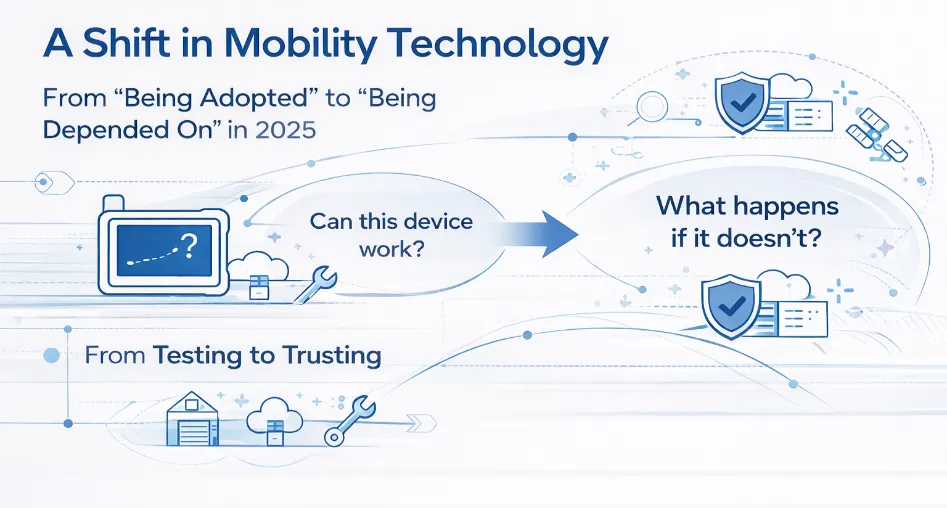
Looking across 2025, one change became increasingly clear throughout our conversations with partners worldwide: Mobility technology has moved from “being adopted” to “being depended on.”
2025 Marked a Turning Point
In previous years, discussions around rugged devices often focused on whether they were needed.
In 2025, the question shifted.
Instead of asking “Can this device work?”, more organizations began asking:
• What happens if it doesn’t?
• How do we design systems that assume constant availability?
• How do we reduce operational risk at the hardware level?
This shift signals maturity — not just of technology, but of how organizations think about it.
Hardware Became Part of Operational Risk Management
One of the most noticeable changes this year was how hardware decisions were framed internally.
Devices were no longer evaluated only by specifications or initial cost. They became part of broader discussions around:
• Business continuity
• Service-level expectations
• Maintenance planning and replacement cycles
• Long-term system stability
In many cases, rugged terminals quietly moved into the same category as other critical infrastructure — expected to function continuously, without drawing attention.
Longevity Replaced Novelty
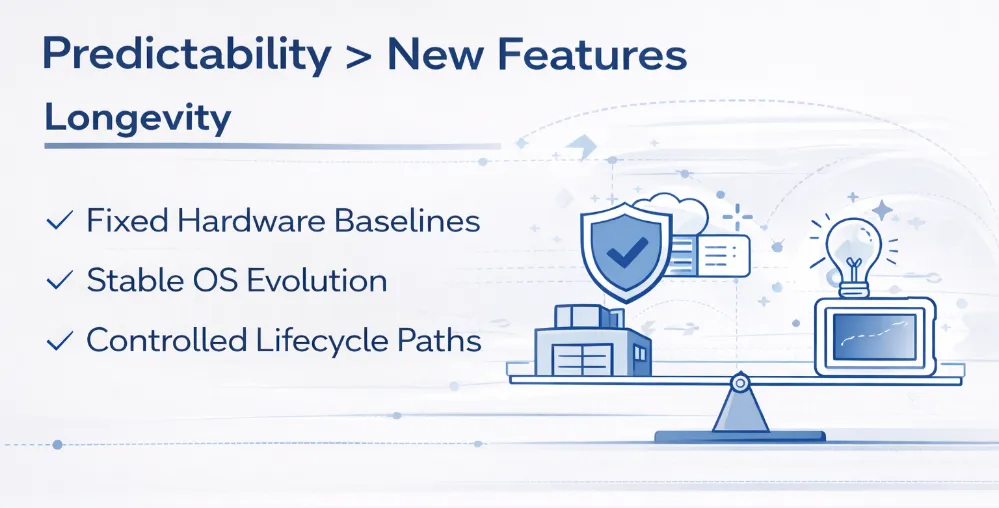
Another clear signal from 2025: novel features lost importance; predictability gained it.
Organizations showed growing preference for platforms that offered:
• Consistent hardware baselines over multiple years
• Controlled OS evolution rather than rapid version jumps
• Stable integration paths for existing software stacks
• Fewer surprises in deployment and lifecycle management
Innovation was still valued — but only when it didn’t compromise continuity.
What This Means for the Year Ahead
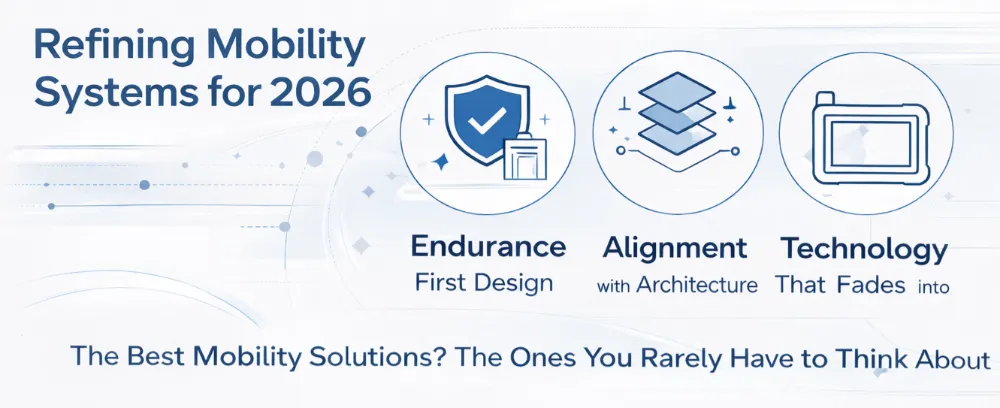
As we approach 2026, the direction feels less about acceleration — and more about refinement.
The next stage of mobility systems will likely be shaped by:
✔ Design choices that prioritize endurance over experimentation
✔ Closer alignment between hardware and system architecture
✔ Procurement decisions driven by operational confidence, not feature density
✔ Technologies that fade into the background — because they simply work
At WAYSION, this reinforces our belief that the most valuable technology is the kind you rarely have to think about once it’s deployed.
Closing the Year
To everyone who followed our updates, exchanged ideas, or collaborated with us throughout 2025 — thank you.
We look forward to continuing these conversations in the year ahead, sharing insights not just about products, but about how mobility systems continue to evolve.
Wishing you a thoughtful year-end and a steady start to 2026!
Latest Content
- How to Mount a Rugged Tablet in Your Van or Truck: 5 Proven Solutions for Commercial Fleets
- From Chaos to Control: How a Logistics Company Achieved 20% Efficiency Gains with the Waysion V7S Terminal
- How to Choose a Truck Tablet for Fleet Management: 2026 Selection Guide
- How to Optimize Crop Yields with Smart Agriculture
- School Bus Rugged Tablet Success Case: Transforming Student Transportation with Intelligent Fleet Technology
Tags: Fleet Management, mobile data terminal, rugged tablets