The global agricultural landscape is at a critical juncture. By 2050, the world’s population is expected to reach 9.7 billion, requiring a 70% increase in food production. However, farmers are facing unprecedented challenges: shrinking arable land, unpredictable climate patterns, and rising labor costs. The solution lies in Smart Agriculture—the integration of advanced technologies like IoT, AI, and Big Data into traditional farming practices.
Smart Agriculture isn’t just about “using gadgets”; it’s about a fundamental shift toward data-driven decision-making. By leveraging real-time insights, farmers can optimize resource allocation, reduce waste, and significantly boost crop yields. This article explores the technical frameworks, hardware requirements, and strategic implementations necessary to succeed in modern precision farming.
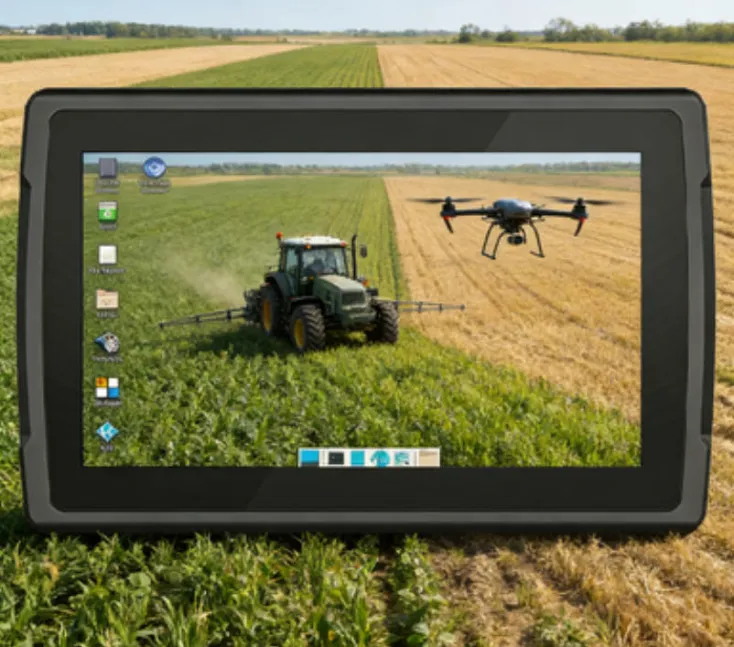
Autonomous drones and IoT sensors monitoring field health in real-time.
The Pillars of Smart Agriculture
To optimize yields effectively, one must understand the three core pillars that support a Smart Agriculture ecosystem:
- Precision: Targeting inputs (water, fertilizer, pesticides) exactly where and when they are needed.
- Automation: Using robotics and remote sensing to reduce manual labor and human error.
- Connectivity: Ensuring seamless data flow between field sensors, machinery, and management software.
rugged tablet for Smart Agriculture
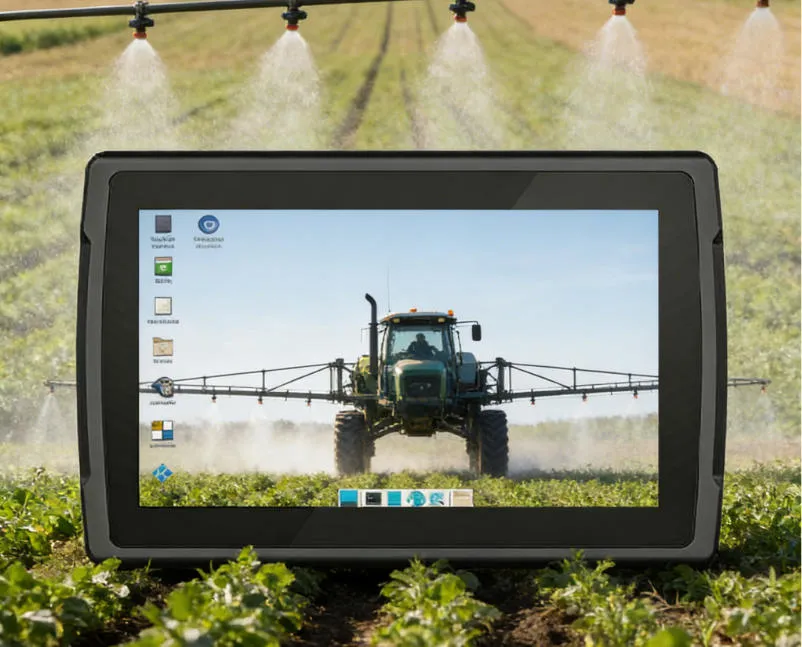
In the field, consumer-grade devices quickly fail. To implement smart strategies, technical integrators and farm managers require a rugged tablet for Smart Agriculture. These devices serve as the central nervous system for field operations, bridging the gap between high-tech data and physical labor.
Standard tablets suffer from screen glare, fragile hardware, and poor battery life in extreme temperatures. A purpose-built rugged tablet provides:
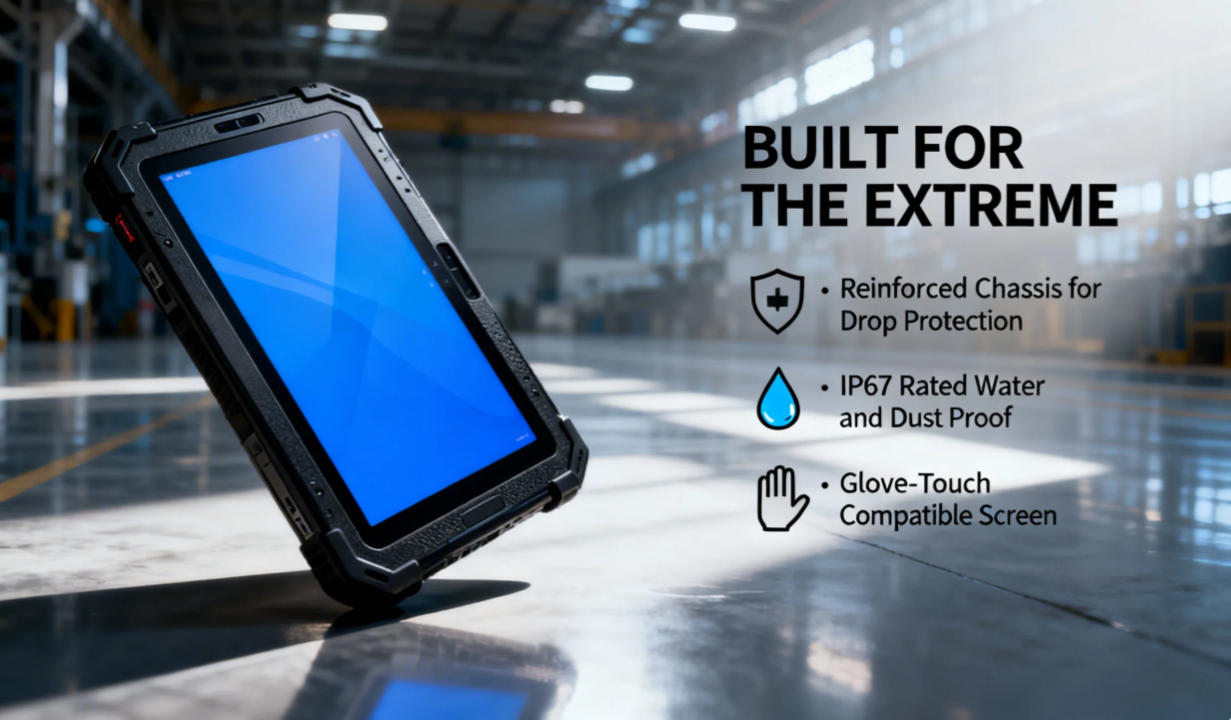
- MIL-STD-810G Certification: Resistance to drops, shocks, and vibrations from tractors.
- IP65/67 Rating: Complete protection against dust, dirt, and high-pressure water jets during cleaning.
- Sunlight-Readable Displays: High-nit brightness (1000+ nits) ensuring data is visible even under direct midday sun.
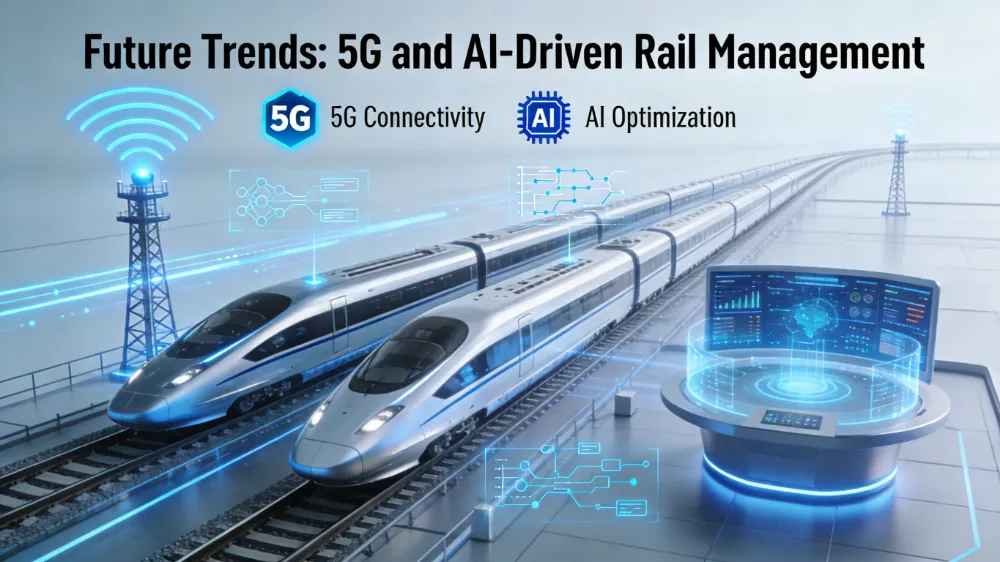
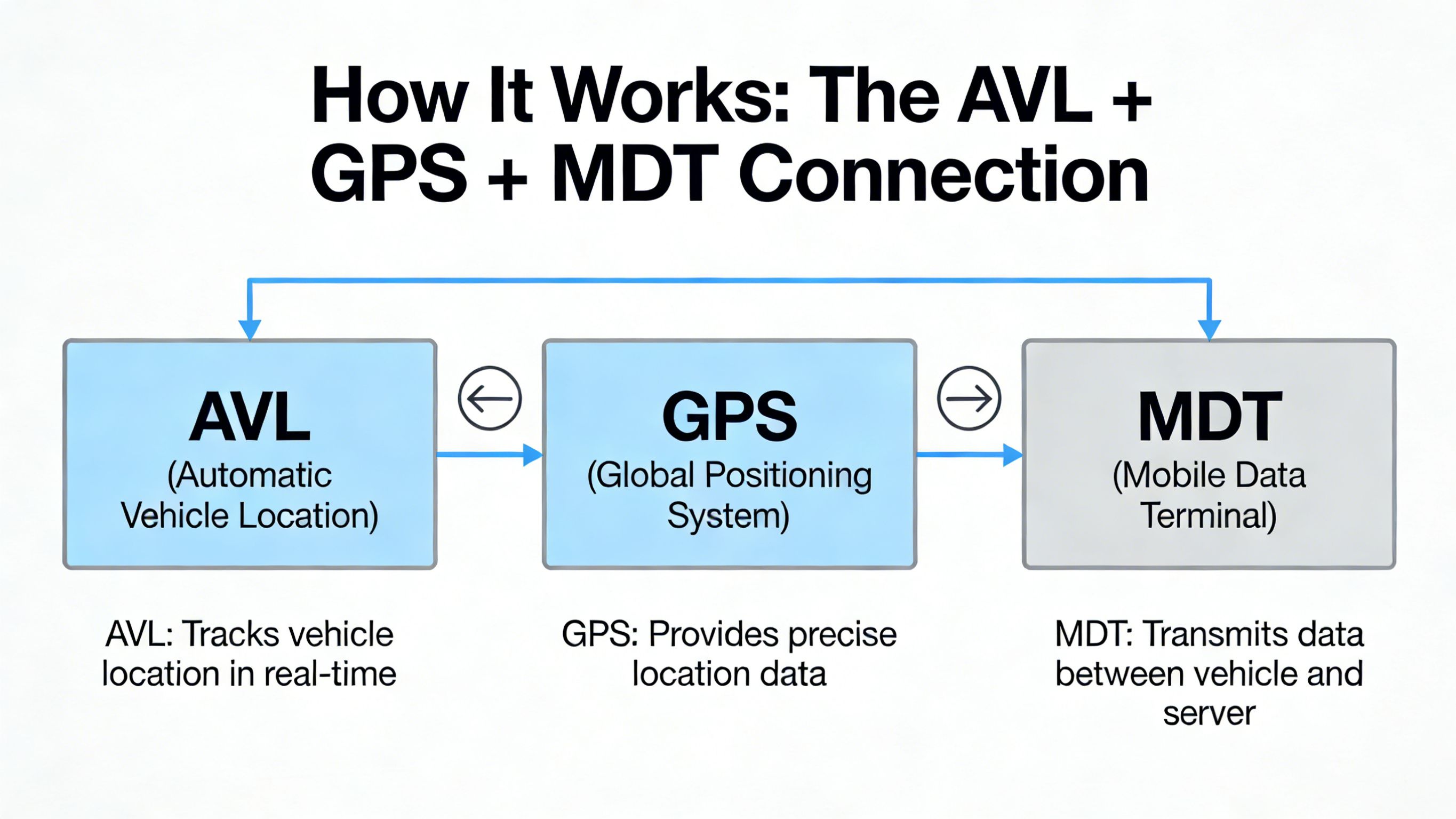
- Extended Connectivity: Integrated 5G, GNSS (GPS/GLONASS), and specialized ports (RS-232/RJ45) for direct machine interfacing.
Technical Comparison: Standard vs. Rugged Tablets
| Feature | Consumer Tablet | Rugged Tablet for Smart Ag |
|---|---|---|
| Drop Resistance | < 1 foot | 4 – 6 feet onto concrete |
| Operating Temp | 0°C to 35°C | -20°C to 60°C |
| Ingress Protection | Minimal (IP52) | High (IP65/IP67) |
| Glove-Touch Support | No | Yes (Capacitive/Digitizer) |
Implementing Precision Irrigation and Nutrient Management
One of the most immediate ways to optimize yield is through Variable Rate Technology (VRT). By using sensors to map soil moisture and nutrient levels, farmers can prescribe specific amounts of water and fertilizer to specific zones of a field.
“The goal is to apply the right input, at the right time, in the right place, and in the right amount. This ‘4R’ strategy is the cornerstone of yield optimization.” — FAO Industry Standard.
Real-time soil moisture monitoring through a ruggedized interface.
Case Study: IoT Integration in Vineyard Management
In the Napa Valley, a 500-acre vineyard implemented a Smart Agriculture suite involving LoRaWAN-connected soil sensors and a fleet of tablets for field workers. By monitoring evapotranspiration (ET) rates and soil tension, the vineyard reduced water consumption by 22% while increasing berry sugar content consistency (Brix levels) by 15% across all blocks.
Advanced Analytics and AI in Harvesting
Predictive analytics allows farmers to anticipate the “perfect harvest window.” Using satellite imagery (NDVI – Normalized Difference Vegetation Index) and machine learning models, yield predictions can now be accurate within 5-10% weeks before the harvest begins. This allows for better supply chain logistics and reduced post-harvest loss.
Video: Understanding the Future of Digital Farming and Automation.
Frequently Asked Questions (FAQ)
Q: How much yield increase can I expect from Smart Agriculture?
A: While results vary by crop and region, most studies from organizations like USDA suggest a 10% to 20% increase in yield alongside a 15% reduction in input costs.
Q: Is a rugged tablet necessary for a small farm?
A: Even on small scales, the cost of downtime and device replacement often exceeds the initial investment in a rugged tablet designed for the elements.
Q: Does Smart Agriculture require a constant internet connection?
A: No. Many rugged tablets and field sensors support edge computing, storing data locally and syncing once they return to a Wi-Fi or LTE coverage zone.
About the Author
Dr. Marcus Thorne is a Senior Agronomist and IoT Systems Architect with over 15 years of experience in precision viticulture. He specializes in the deployment of ruggedized hardware and AI-driven predictive modeling for large-scale agricultural enterprises across North America and Europe.