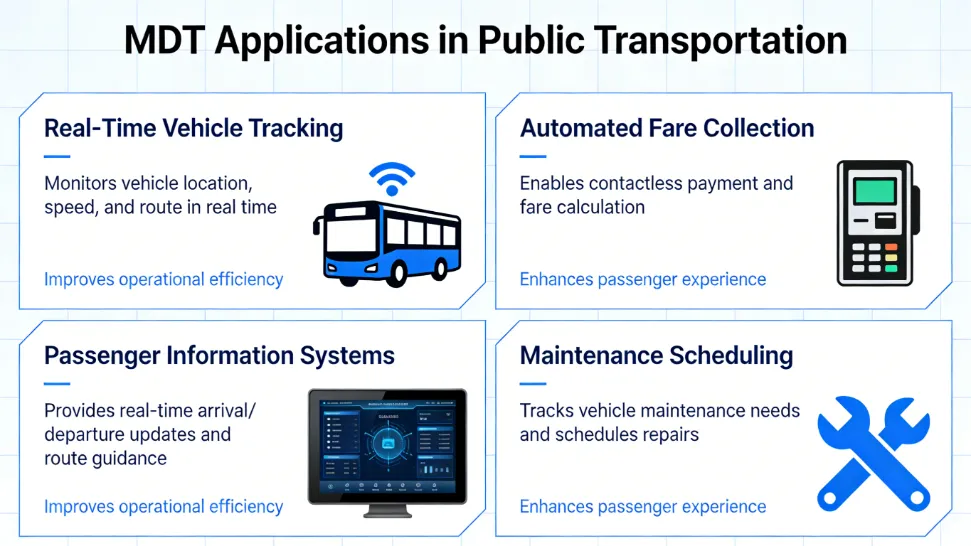
As of 2026, the integration of specialized hardware from rugged vehicle tablet into rail environments has transformed the “Train Tracker” from a simple estimation tool into a mission-critical command hub.
Explore the Full Ecosystem: To see how these rail solutions fit into the broader landscape of emergency and municipal services, visit our.
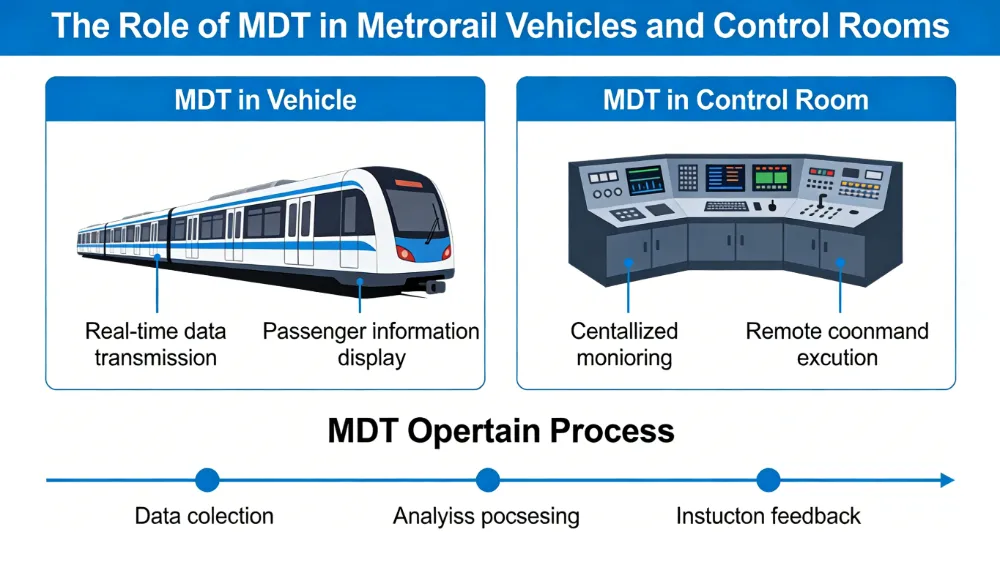
The Role of MDT in Metrorail Vehicles and Control Rooms
In a rail environment, the MDT serves as the primary interface between the train operator, the vehicle’s onboard systems, and the Central Control Center. Unlike a standard laptop, a rail-grade MDTis built to withstand the constant vibration and electromagnetic interference (EMI) unique to electrified rail.
Key Deployment Areas:
The Operator Cab: A fixed-mount rugged tablet provides the driver with real-time “headway” data (the distance between their train and the one ahead).
Onboard Systems Integration: The MDT connects to the train’s internal bus to monitor door status, braking health, and propulsion metrics.
The Control Room: While operators use physical units, dispatchers interact with the digital “mirror” of these MDTs to adjust system-wide timing.
Core Functions of MDT Metrorail Systems
The deployment of an MDT in a rail car goes far beyond simple GPS tracking. It facilitates several layers of critical transit operations:
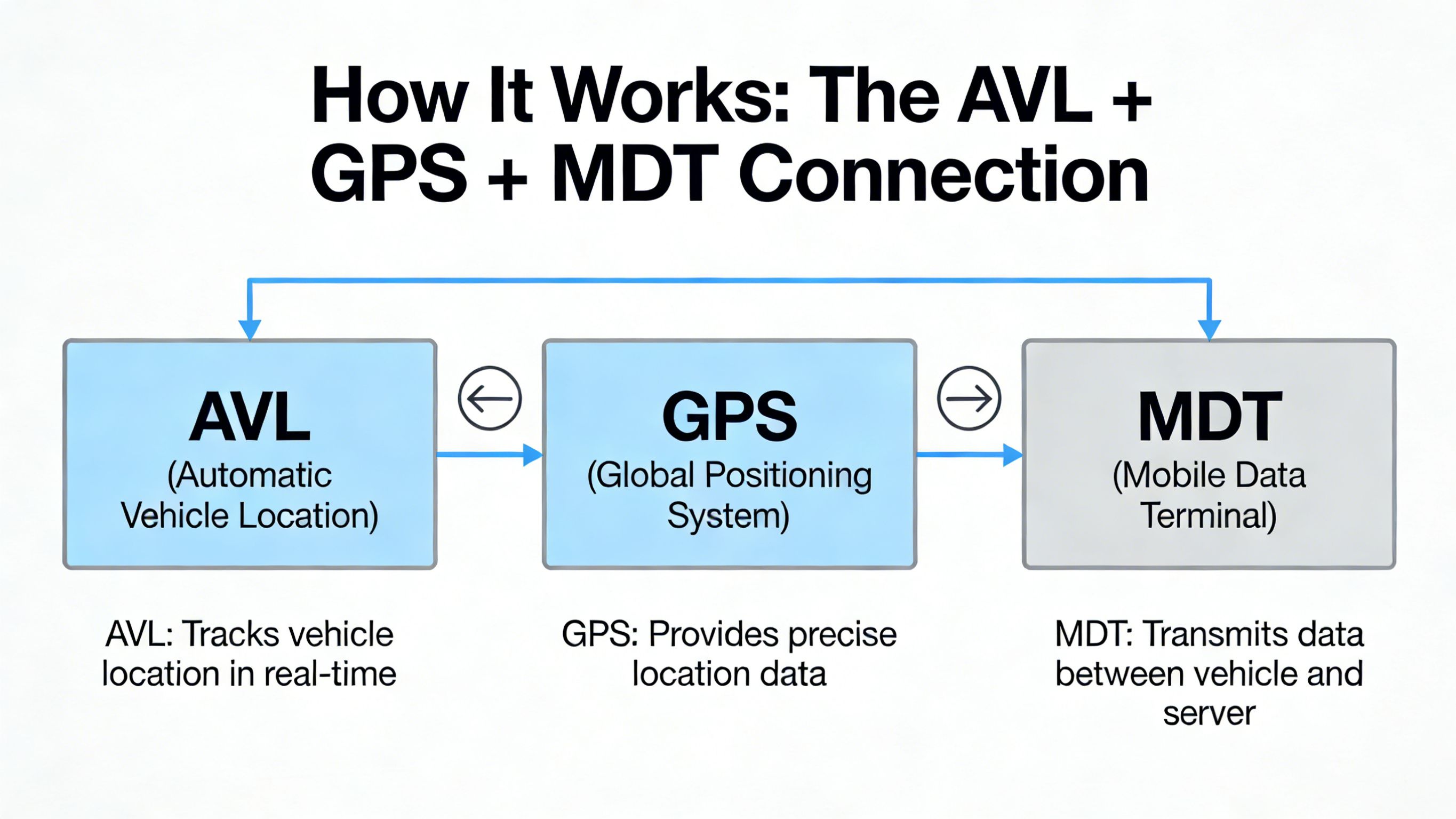
1. Precision Train Positioning (AVL)
Rail systems cannot rely on standard consumer GPS alone, especially in tunnels or “urban canyons.” MDT Metrorail units utilize advanced Dead Reckoning and wheel-tachometer integration to ensure the Miami-Dade Transit Train Tracker knows exactly where a train is, even when underground.
2. Dynamic Schedule & Headway Adjustment
If a delay occurs at a station like Government Center, the MDT automatically recalculates the required speed and dwell times for following trains. Operators receive instant visual cues on rugged tablet terminals to “Hold” or “Proceed” to restore the schedule.
3. Emergency Communication and Silent Alarms
In the event of an incident, the MDT provides a “Silent Alarm” feature. This allows the operator to notify the control center of a security or medical emergency without escalating the situation via a public radio broadcast.
4. Automated Passenger Information (PIS)
The MDT triggers the automated voice announcements and interior digital signs. When the train reaches a specific geofence, the MDT ensures the “Next Station” announcement is perfectly timed.
While both systems fall under the Miami-Dade Transit (MDT) umbrella, their technical requirements differ significantly:
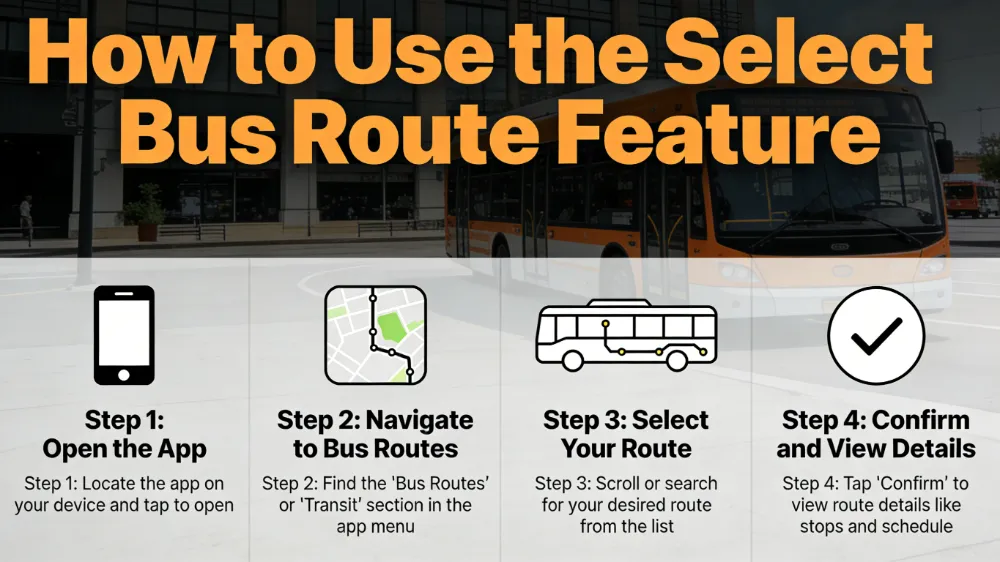
Complementary Roles: In a unified city app like the GO Miami-Dade Transit app, the data from both systems is merged. If your Metrorail is delayed, the app can suggest a Metrobus alternative based on the live MDT data from both fleets.
Case Study: Miami-Dade Transit Train Tracker & Hardware
The Miami-Dade Transit Train Tracker is the public-facing result of heavy-duty MDT integration. By using ruggedized terminals with high-speed data processing, the system provides:
Real-time ETA: Accurate to within 30 seconds for every station from Dadeland South to Palmetto.
Garage Parking Counts: In 2026, many MDT rail interfaces now also display real-time parking availability at rail stations, allowing operators to broadcast this info to passengers.
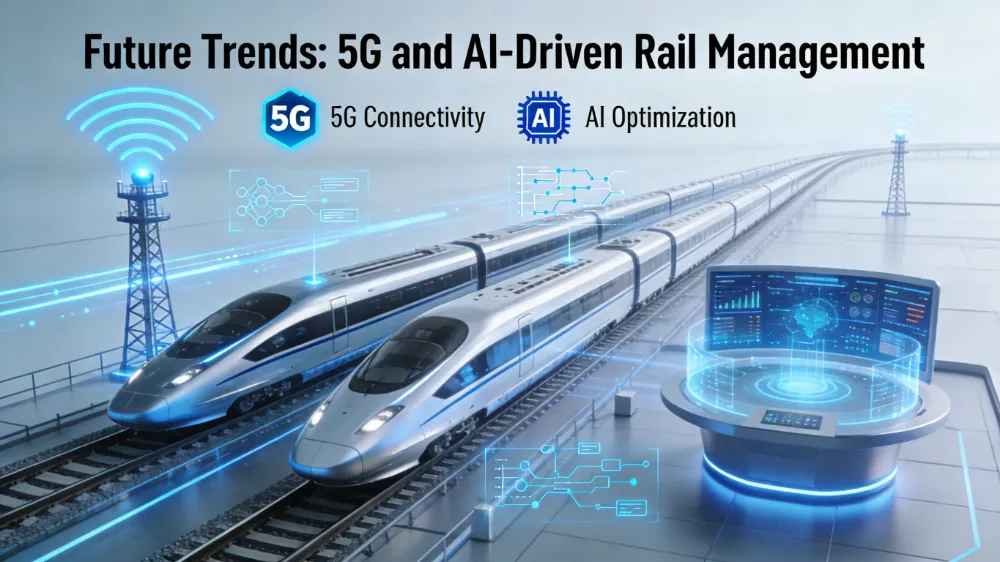
Future Trends: 5G and AI-Driven Rail Management
As we move through 2026, the MDT Metrorail landscape is evolving:
5G Integration: High-bandwidth 5G allows for live streaming of onboard security cameras back to the control center via the MDT hub.
AI Predictive Analytics: Modern MDTs can now predict a mechanical failure before it happens by analyzing vibration data, allowing the train to be pulled for maintenance before a breakdown occurs on the tracks.
Conclusion
The MDT Metrorail system is the unsung hero of urban transit. Through the combination of rugged vehicle tablet hardware and intelligent tracking software, rail systems are becoming safer, more predictable, and more efficient than ever before.