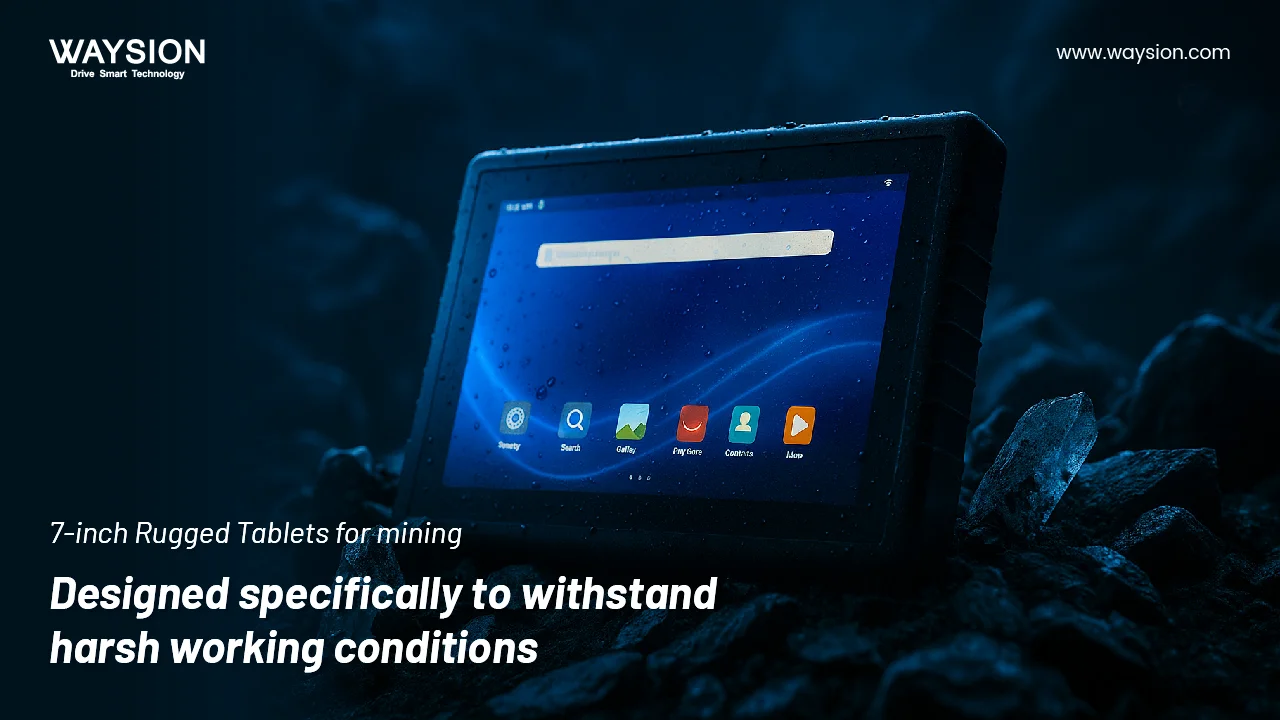
Mining sites push gear to its limits. Dust chokes the air. Vibrations shake everything. Extreme heat or cold tests every part. Standard laptops and phones break fast in these spots. They crack under drops or fail in the wet. Rugged tablets change that. These tough devices link field work to office systems. They handle the rough life of mines above and below ground.
This piece looks at how these tools boost speed and cut risks. You’ll see real gains in daily tasks. Data flows quick. Workers stay safe. From start to end of a mine’s life, these tablets make a big difference.
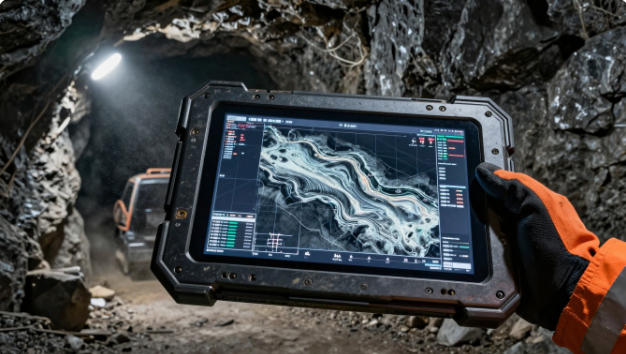
The Imperative for Durability: Why Standard Devices Fail in Mining
Standard tech can’t keep up in mines. Phones shatter from falls. Laptops overheat in the sun. Rugged tablets stand strong. They cut repair costs and keep work going.
Extreme Environmental Resistance (MIL-STD and IP Ratings)
Rugged tablets meet tough standards like MIL-STD-810H. This means they drop from five feet and still work. IP67 keeps water and dust out. No leaks during rain or grit storms.
These ratings save money. You replace gear less often. Total costs drop by 40% over three years. One study shows firms save thousands per site.
Checklist for Managers:
- Check IP rating for dust and water needs. IP65 works for dry spots. Go IP67 for wet areas.
- Look at MIL-STD tests for drops and heat. Match to your mine’s temps, from -20°F to 140°F.
- Test battery life in cold. Some hold charge better in freezes.
Pick right, and downtime shrinks.
Vibration and Shock Mitigation
Heavy drills rumble all day. Trucks bounce over rough paths. Normal screens crack. Drives fail from shakes.
Rugged builds use rubber mounts. They soak up jolts. Metal frames bend less. Tablets last through blasts and hauls.
Workers trust them. No mid-shift fixes. That means steady output.
Operational Readability in Varied Lighting
Sun blinds screens on open pits. Tunnels stay pitch black. You need clear views fast.
High-bright screens hit 1000 nits. They cut glare. Touch works with gloves on. No fumbling in dirt.
Anti-glare coats help too. Read maps or alerts easy. Safety jumps when you see hazards quick.
Enhancing Operational Efficiency Through Real-Time Data Capture
Paper forms slow things down. They get lost in the mud. Rugged tablets fix that. Data enters on site. No delays.
Streamlining Inspection and Compliance Reporting
Old checklists fill slow. Errors creep in. Tablets let you type notes right there. Add photos with tags. Geolocation pins the spot.
A gold mine in Nevada switched. Pre-start checks went digital. Delays dropped 50%. Reports hit the office in minutes.
Compliance stays tight. Regulators see clear records. Fines avoid.
Asset Tracking and Predictive Maintenance Integration
Gear like loaders breaks without warning. Tablets link to sensors. They show wear in real time.
Pull up CMMS apps. Schedule fixes before fails. View engine heat or tire pressure.
One coal operation cut breakdowns 35%. Trucks run longer. Output rises.
Mapping, Navigation, and Underground Guidance
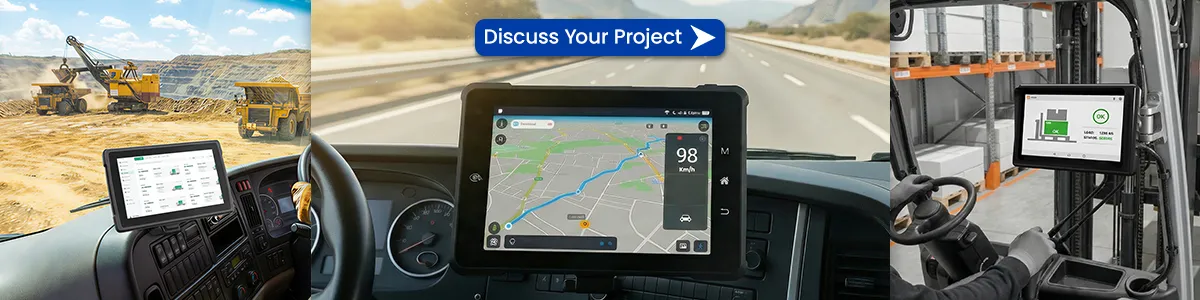
Lost time hurts profits. Tablets run mine maps. Software like Deswik shows paths clear.
GPS works above. Below, it uses beacons. Guides drivers to loads fast.
Autonomous hauls get operator input. Less idle wait. Travel cuts by 20%.
Transforming Communication and Collaboration in Remote Environments
Mines span miles. Signals fade deep in. Rugged tablets bridge gaps. Teams talk without yells.
Reliable Connectivity Solutions Underground
Cell service dies in shafts. Tablets use Wi-Fi nets or private 5G. Mesh setups relay signals far.
No more dead zones. Share files on the move. Voice calls connect crews.
Surface teams join in. Plans update live.
Digital Work Orders and Shift Handovers
Hand-written notes mix up tasks. Tablets send orders clear. Track who did what.
Shift changes smooth. Pull up logs fast. No forgotten steps.
Audits prove work done right. Errors fall.
Video Conferencing for Expert Remote Assistance
Fixes take days with travel. Tablet cams show issues live. Experts see from afar.
A broken drill? Stream video. Advice comes quick. No shutdowns.
Costs drop. One firm saved $100K yearly on trips.
Elevating Safety Protocols and Emergency Response
Risks lurk everywhere. Gas leaks. Rock falls. Tablets arm workers with tools to act fast.
Instant Access to Safety Documentation and Procedures
SDS sheets hide in binders. Hard to grab in panic. Tablets store them digital.
Pull up SOPs offline. Evac maps glow on screen. Even spotty signal works.
Training sticks better. Quick reviews save lives.
Personnel Tracking and Man-Down Alerts
Where is everyone? RTLS on tablets ping locations. Panic buttons send help.
If you fall, sensors alert. Pinpoint spot in seconds.
Industry stats show response times cut 30%. Fewer injuries result.
Digital Permitting and Lockout/Tagout (LOTO) Enforcement
Energy sources spark danger. Paper permits delay. Tablets check approvals digital.
Biometrics lock it down. Scan thumb before start. No skips.
Errors drop 40%. Safe maintenance follows.
Tip for Setup: Use face scans or prints for permits. Add two-step checks. Train staff on quick access.
Conclusion: The Future is Ruggedized and Connected
Rugged tablets pay off big. They slash hardware swaps and speed work flow. Safety records improve too. Mines run smoother and safer.
Costs fall with less down time. Output climbs. Teams feel secure.
Key Takeaways:
- Strong data keeps records true and fast.
- Uptime stays high with tough builds.
- Safety rules stick, cutting accident risks.
Invest now. Your mine gains edge. Contact suppliers for demos. Step into connected ops today.
Latest Content
- From Chaos to Control: How a Logistics Company Achieved 20% Efficiency Gains with the Waysion V7S Terminal
- How to Choose a Truck Tablet for Fleet Management: 2026 Selection Guide
- 2026 Best Rugged Tablets with GPS for Field Work: Waysion Comprehensive Guide
- Small Frame, Industrial Power: The 7-Inch Rugged Tablet
- Unix tablet-Comprehensive Guide to Linux Tablets and Tablet Linux
Tags: mining tablet, rugged tablet for mining