Every day, you drive a car that thinks for itself. Planes fly on autopilot thanks to hidden brains. Factories run robots without a hitch. These onboard computers make it all possible. They sit inside machines and handle key tasks. An onboard computer is a built-in system that runs specific jobs in bigger devices. It keeps things safe and smooth.
This guide covers onboard computers from start to finish. We look at their past and basic setup. Then we check their roles in cars, factories, and planes. Next comes tech changes and how they boost speed. We end with build tests and what lies ahead. Whether you fix cars or build robots, this info helps you grasp these vital tools.
Fundamentals of Onboard Computing Architecture
Onboard computers form the core of many devices. They process data fast and stay reliable. Let’s break down their build.
What Defines an Onboard Computer System?
An onboard computer uses a microcontroller unit or microprocessor unit as its heart. The MCU handles simple tasks with low power. An MPU tackles tougher jobs like image processing. Memory comes in two types: RAM for quick access and ROM for fixed code. Input/output interfaces link to sensors and actuators. Power circuits keep it running steady, even in rough spots.
These parts differ from desktop CPUs. Desktop chips chase speed for games or web browsing. Onboard ones focus on real-time response and low energy use. They work in tight spaces with heat or shakes. For example, a car onboard computer must ignore bumps while checking brakes. This setup makes them tough for daily grind.
ECU vs. OBC: Understanding the Terminology Shift
ECU means Engine Control Unit. It started as a box just for engines in old cars. Now, onboard computers take over more ground. They merge many jobs into one unit, called a domain controller. This cuts wire mess and boosts smarts.
Cars once had 50 or more small ECUs. Each did one thing, like lights or locks. Modern ones group them: one for driving aids, another for entertainment. Take Tesla models. They use central onboard computers for self-driving features. This shift saves weight and cost. It also lets updates happen easier.
Real-Time Operating Systems (RTOS) and Determinism
RTOS keeps tasks on schedule. It ensures brakes respond in milliseconds. Systems like QNX or VxWorks shine here. They beat Windows or Linux for critical work.
Why? General OS juggle many apps with delays. RTOS locks in low lag. In a plane, one missed signal spells trouble. Determinism means results stay the same every time. This reliability saves lives in fast-moving setups. Pick RTOS for any onboard computer in high-stakes spots.
Key Functions and Applications Across Industries
Onboard computers run across fields. They control motion, watch health, and fix issues. See how they fit in.
Automotive Control: From Engine Management to Autonomous Driving
In cars, onboard computers started with fuel mix in the 1970s. Now they watch the whole powertrain. They tweak timing for better gas use. Chassis systems stay stable on turns. Diagnostics via OBD-II ports spot faults quick.
The Role of Onboard Computers in ADAS
Advanced Driver-Assistance Systems need big brains. Onboard computers blend data from LiDAR, radar, and cameras. They spot lanes or pedestrians in real time. This takes heavy math to avoid crashes. For instance, adaptive cruise control adjusts speed based on traffic. Without strong onboard computing, self-driving stays a dream. These units hit billions of operations per second.
Industrial Automation and Robotics
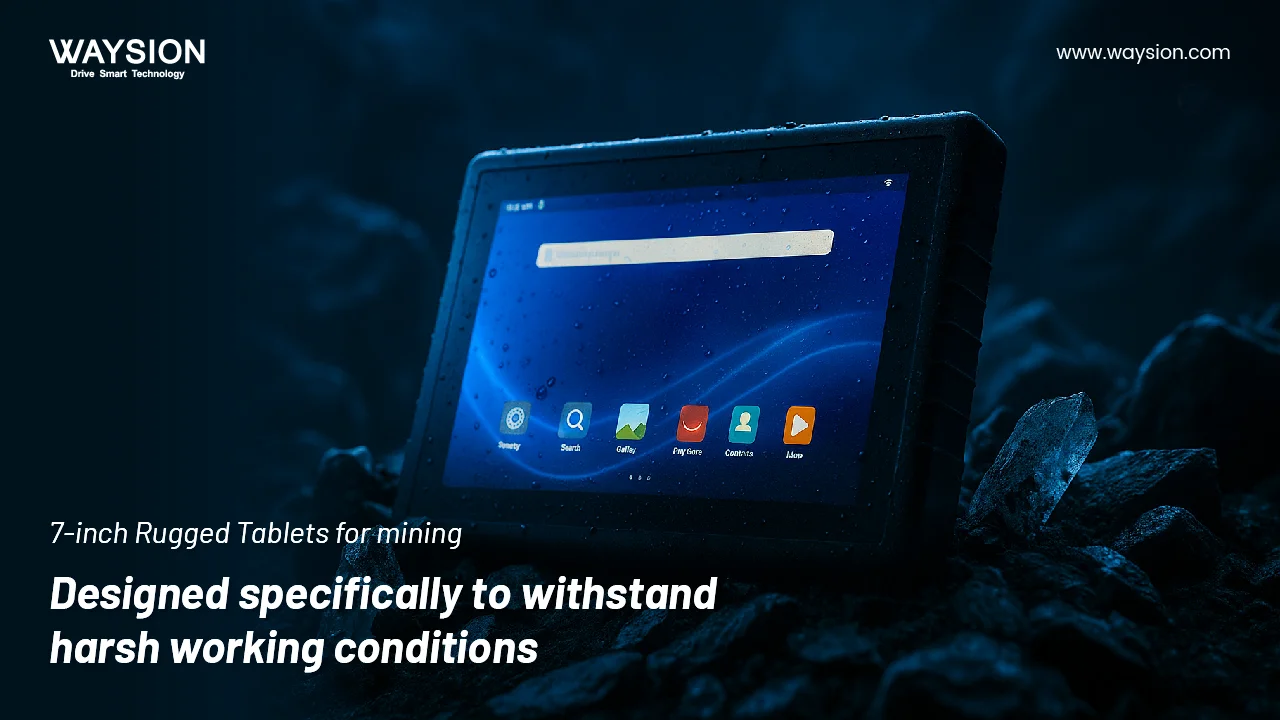
Factories use rugged onboard computers for tough jobs. They run PLCs that switch machines on and off. Robotic arms grab parts with exact moves. These computers handle dust, heat up to 70°C, and shakes from belts.
Durability counts big. Look for IP67 ratings to block water and dirt. Vibration tests ensure they last years. To pick one, check operating range and ports. Match it to your robot’s speed needs. This setup cuts downtime in plants.
Aerospace and Defense Systems
Planes demand perfect onboard computers. They control wings and track paths. Fault tolerance means backups if one fails. Redundancy copies data across units.
Certifications like DO-178C set rules. They prove software won’t crash mid-flight. The FAA and EASA watch these standards. In defense, onboard systems jam enemy signals. One drone example: It flies solo with GPS fused by the computer. Safety here leaves no room for error.
Technological Evolution and Performance Benchmarks
Tech in onboard computers grows fast. They pack more punch in small boxes. Bandwidth jumps too. Security tightens as links expand.
The Shift to Multi-Core Processing and Heterogeneous Computing
Old onboard computers used single cores. Now multi-cores split tasks. This handles AI for pattern spotting. Units reach tera operations per second.
GPUs speed up visuals, like dash screens. Neural units crunch learning models. Accelerators boost specific math. In self-driving cars, this mix processes video feeds. It cuts power draw while lifting smarts. Future rides will rely on this blend.
Communication Protocols: CAN Bus to Automotive Ethernet
CAN Bus linked early car parts. It sent short messages at 1 Mbps. But cameras flood data at gigabits. CAN chokes on that load.
Automotive Ethernet steps in. 100BASE-T1 runs at 100 Mbps over one wire. It forms the spine for central onboard computers. Tesla uses it for quick sensor shares. This protocol scales with more devices. It paves the way for full links.
Cybersecurity in Embedded Systems
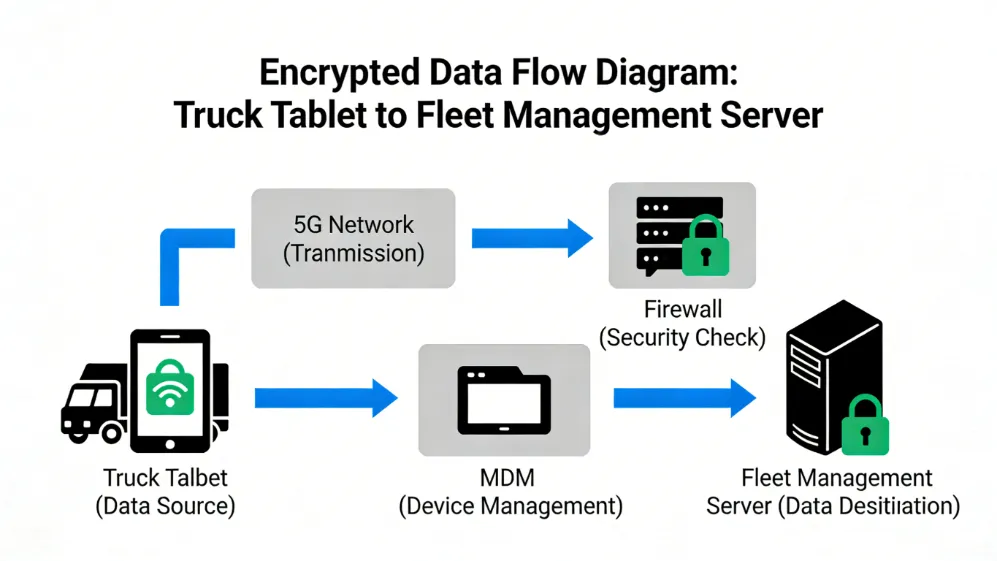
Connected onboard computers face hacks. V2X talks to other cars open doors. Over-the-air updates patch code but risk bugs. In 2024, reports showed 20% rise in vehicle breaches.
Hardware security modules lock keys. Secure boot checks code before run. Use firewalls on networks. Makers spend billions on this. For you, update firmware often. Strong steps keep rides safe.
Development, Testing, and Certification Hurdles
Building onboard computers takes care. Tests mimic real stress. Standards guide safe designs. Updates keep them fresh.
Hardware-in-the-Loop (HIL) Simulation
HIL tests software on fake hardware. It plugs the onboard computer into a model of the car or plane. This spots errors without real crashes. Engineers watch responses to faults like sensor fails.
To set up a basic HIL bed:
- Pick a simulator tool like dSPACE.
- Link your onboard computer via cables.
- Run scenarios, like sudden stops.
- Log data and tweak code.
This saves time before road tests. It builds trust in the system.
Functional Safety Standards (ISO 26262 and Beyond)
ISO 26262 rules car electronics. It sets ASIL levels from A to D. Higher means more backups, like dual cores for brakes. This forces strict dev steps.
Redundancy watches for glitches. Fail-safes shut down if needed. Beyond cars, similar rules hit planes. Meet them or face recalls. These standards push better onboard computers.
Software Updates and Over-the-Air (OTA) Management
OTA sends fixes wireless. It updates millions of units at once. But hacks or bad code can brick devices. Ensure checks before install.
Rollback options restore old versions. Data stays whole with hashes. Logistics hit big fleets. Tesla rolls updates weekly. Plan for bandwidth and user nods. This keeps onboard computers current.
The Future Landscape of Intelligent Control
Onboard computers shift from simple boxes to smart hubs. They centralize control with software at the core. This drives big changes in how we move and make things.
Determinism stays key. Real-time work ensures no delays in danger spots. Security and data flow will shape wins ahead. As AI grows, onboard systems handle more loads.
Think about your next project. Will an onboard computer fit? Explore options to boost your setup. Stay ahead with these tools.
What is an On-Board Computer?
An on-board computer (OBC) is a specialized, integrated computer system in vehicles (cars, trucks, satellites, aircraft, ships) that manages and controls vital functions, from engine efficiency and navigation in cars to attitude control and data handling in spacecraft, ensuring autonomous operation, safety, and performance optimization by processing data from sensors and executing commands. These systems are built tough for their environment, featuring high reliability, redundancy, and fault tolerance, running dedicated software for tasks like diagnostics, fuel management, communication, and health monitoring.
Functions & Applications:
- Automotive (Cars/Trucks): Monitors fuel, speed, diagnostics, safety systems (ABS, airbags), infotainment, and driver assistance (ADAS).
- Aerospace (Satellites/Aircraft): Controls attitude, orbit, telecommand execution, telemetry, fault detection, and core bus operations.
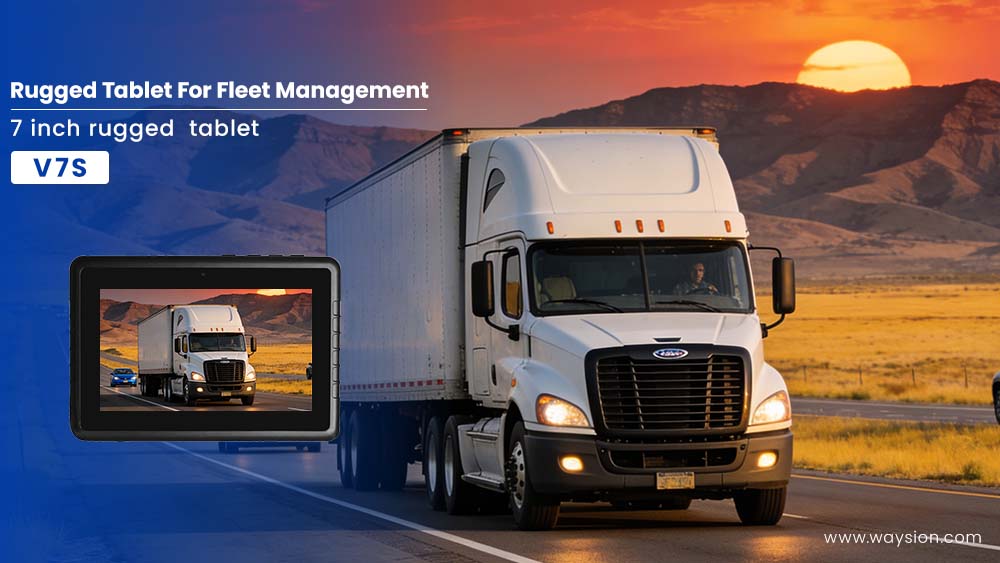
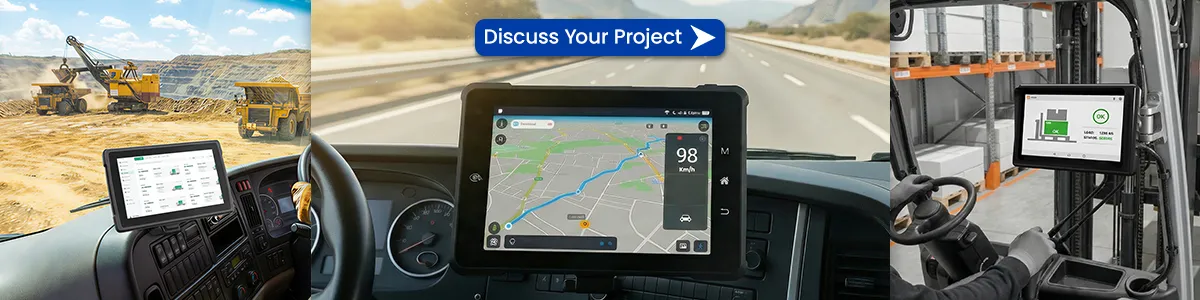
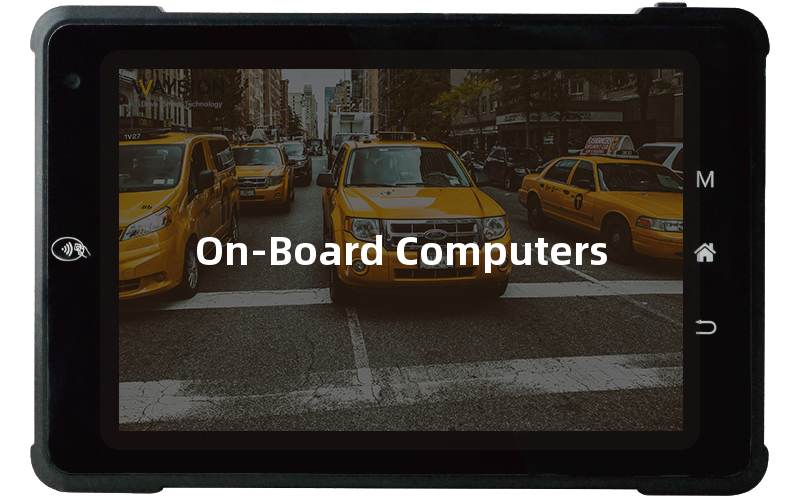
- Industrial/Commercial Vehicles: Manages logistics, driver behavior, and fleet operations (e.g., tablets in trucks).
Key Characteristics:
- Embedded Systems: Deeply integrated into the vehicle’s framework, not just a standalone device.
- Harsh Environment Hardening: Space OBCs use radiation-hardened processors and memory to survive extreme conditions.
- Centralized Control: Acts as the brain, collecting sensor data and executing complex tasks autonomously.
- Software-Driven: Relies on specific onboard software (OBC Software) to perform its vital functions.
Examples:
- NASA’s Perseverance rover uses a BAE Systems OBC.
- Honeywell provides radiation-hardened OBCs for satellites.
- Commercial vehicles use Android tablets for fleet management.
Latest Content
- From Chaos to Control: How a Logistics Company Achieved 20% Efficiency Gains with the Waysion V7S Terminal
- How to Choose a Truck Tablet for Fleet Management: 2026 Selection Guide
- 2026 Best Rugged Tablets with GPS for Field Work: Waysion Comprehensive Guide
- School Bus Rugged Tablet Success Case: Transforming Student Transportation with Intelligent Fleet Technology
- 7 Inch Rugged Vehicle Tablet: 2026 Complete Guide (Latest Specs, Applications, ROI Data & Implementation Framework)
Tags: On Board Computer