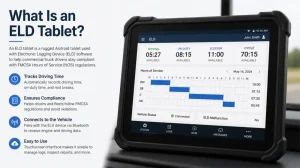
An electronic logging device (ELD) is a federally mandated technology that connects directly to a commercial motor vehicle’s engine to automatically record driving time and Hours of Service (HOS) data. The ELD replaced outdated paper logs and older Automatic On-Board Recording Devices (AOBRDs) to improve accuracy, reduce driver fatigue, and enhance road safety for commercial motor vehicles (CMVs) operating in interstate commerce. As of 2026, FMCSA continues strict enforcement, with recent removals of non-compliant devices from its registered list and upcoming technical updates set for full effect by December 2026.
- What Does an ELD Actually Do?
- The FMCSA ELD Mandate: Timeline and Current Status (2026 Update)
- Who Needs an Electronic Logging Device?
- How Does an ELD Work? Step-by-Step Breakdown
- ELD vs AOBRD: Key Differences You Need to Know
- What Data Does an ELD Record Automatically?
- ELD Malfunctions, Exemptions, and Compliance Best Practices
- How to Choose a Compliant FMCSA ELD in 2026
- Benefits of Switching to Electronic Logging Devices
- Frequently Asked Questions About ELDs
- Final Thoughts: Staying Compliant and Efficient with ELDs
This guide explains the ELD mandate, how these devices work, who must use them, key differences from previous systems, and practical steps to stay compliant while avoiding costly violations.
What Does an ELD Actually Do?
An electronic logging device integrates with the vehicle’s Engine Control Module (ECM) through the On-Board Diagnostics (OBD) port. It captures critical data in real time, including:
- Whether the engine is running
- Vehicle motion status (moving above 5 mph triggers driving mode)
- Miles driven and engine hours
- GPS location at key intervals
- Driver’s duty status changes
The device automatically records most Records of Duty Status (RODS), minimizing manual entry and editing. Drivers can still annotate logs for personal conveyance, yard moves, or adverse weather, but the core driving time remains tamper-resistant.
This synchronization ensures accurate HOS tracking, helping fleets and independent operators avoid fatigue-related incidents while simplifying roadside inspections.
The FMCSA ELD Mandate: Timeline and Current Status (2026 Update)
Congress mandated the ELD rule as part of MAP-21 in 2015. Key milestones include:
- December 2015: Final rule published
- December 2017: Initial compliance date (ELD or grandfathered AOBRD allowed)
- December 2019: Full mandatory use of compliant ELDs for most drivers required to keep RODS
In 2026, the landscape remains active. FMCSA regularly reviews and removes devices that fail minimum requirements. For example, on April 2, 2026, HERO ELD was delisted, giving users until June 2, 2026, to switch to a registered device. New technical proposals from 2025 may expand applicability to pre-2000 engines and strengthen malfunction handling.
The goal remains unchanged: create a safer work environment by making HOS records more accurate and easier to share with safety officials.
Who Needs an Electronic Logging Device?
The ELD mandate applies to drivers of commercial motor vehicles (CMVs) in interstate commerce who are currently required to maintain Records of Duty Status (RODS) under Hours of Service regulations. This typically includes:
- Vehicles with a gross vehicle weight rating (GVWR) or gross combination weight rating (GCWR) of 10,001 pounds or more
- Vehicles designed to transport 8+ passengers for compensation or 15+ not for compensation
- Vehicles carrying hazardous materials requiring placards
Short-haul exemptions still exist for drivers who operate within a 150 air-mile radius, return to the same location daily, and stay within specific on-duty limits (14 hours for property carriers). Certain oilfield, livestock, and driveaway-towaway operations may also qualify for limited relief.
If your operation falls outside these exemptions and you previously used paper logs, you almost certainly need a compliant ELD today.
How Does an ELD Work? Step-by-Step Breakdown
- Installation and Synchronization — The device connects to the truck’s ECM, automatically detecting engine power status, vehicle motion, and mileage.
- Automatic Recording — When the vehicle moves faster than 5 mph, the ELD switches to driving status and logs time, location, and distance without driver input.
- Duty Status Management — Drivers select or confirm statuses such as Off Duty, Sleeper Berth, On Duty Not Driving, or Driving. The system supports intermediate logs and event records.
- Data Transfer and Inspection Readiness — During a DOT inspection, the driver can transfer data via wireless methods (Bluetooth, email, or web services) or display/print logs. Compliant ELDs produce a standardized output file.
- Malfunction Handling — If a data diagnostic event or malfunction occurs, the device records it and requires manual entries until resolved. Drivers must notify the carrier within 24 hours.
This automated process drastically reduces errors common with paper logs while providing audit-ready records.
ELD vs AOBRD: Key Differences You Need to Know
Many drivers still ask about the difference between an ELD and an older AOBRD (Automatic On-Board Recording Device).
Here’s a clear comparison:
| Feature | AOBRD (Pre-ELD Rule) | ELD (Current Mandate) |
|---|---|---|
| Engine Synchronization | Basic | Integral with ECM – automatic power/motion/miles |
| Duty Status Changes | Mostly manual | Automatic for driving; limited edits |
| Location Recording | Not required or limited | GPS at start/end of duty status and changes |
| Data Transfer to Officials | None (print/display only) | Electronic transfer (telematics or file) |
| Editing & Certification | More flexible | Strict rules; driver must certify daily |
| FMCSA Registration | Not required | Must be self-certified and listed by FMCSA |
| Grandfather Clause | Allowed until Dec 2019 | No longer valid in 2026 |
ELDs are more restrictive to prevent manipulation but offer better accuracy and efficiency. AOBRDs are no longer sufficient for full compliance.
What Data Does an ELD Record Automatically?
A compliant electronic logging device captures far more than just driving hours. Required elements include:
- Date, time, and CMV location (GPS)
- Engine hours and vehicle miles
- Driver identification and authentication
- Duty status (with automatic driving detection)
- Data diagnostic and malfunction events
- Intermediate logs every 60 minutes when no status change occurs
This rich dataset supports better fleet management, including fuel efficiency analysis and predictive maintenance when paired with telematics.
ELD Malfunctions, Exemptions, and Compliance Best Practices
Even the best devices can experience issues. FMCSA rules require carriers to:
- Maintain a list of supporting documents (up to 8 types)
- Have backup procedures for ELD malfunctions (paper logs allowed for up to 8 days in some cases)
- Ensure drivers can produce logs during inspections
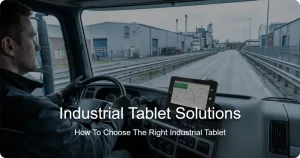
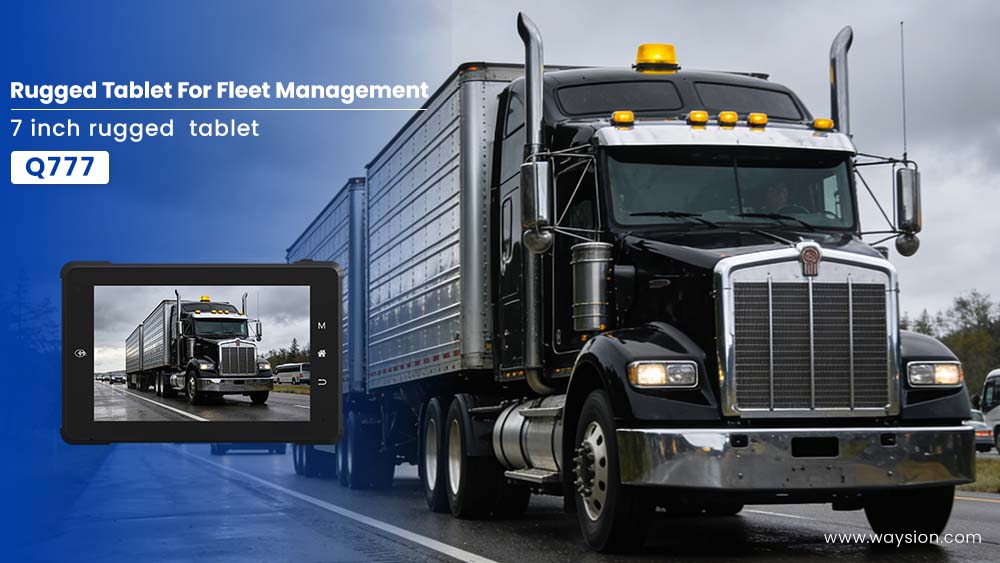
For exemptions, short-haul operators (150 air-mile radius, limited stops) and certain infrequent drivers may avoid daily ELD use, but documentation is still required. ELD compliance using rugged tablets.
Best practices in 2026 include choosing devices with strong driver apps, real-time alerts for approaching HOS limits, and seamless integration with fleet management software.
How to Choose a Compliant FMCSA ELD in 2026
When selecting an ELD, consider:
- Official registration on the FMCSA list (always verify at eld.fmcsa.dot.gov)
- Ease of use for drivers (intuitive mobile app)
- Data transfer speed and inspection features
- Additional fleet tools (GPS tracking, IFTA reporting, video integration)
- Pricing model (hardware + subscription) and contract flexibility
- Customer support availability
Popular options in 2026 include systems from Geotab, Motive, Samsara, and others, each offering different strengths for small fleets versus large enterprises. Always confirm current compliance status, as FMCSA periodically removes devices.
Comparison Table: Key Considerations When Buying an ELD
- Compliance: Must appear on FMCSA registered list
- Installation: Plug-and-play vs professional
- Cost: One-time hardware vs monthly fees
- Features: Basic HOS vs full telematics
- Support: 24/7 multilingual helpdesk recommended
Benefits of Switching to Electronic Logging Devices
Fleets that fully adopt ELDs typically report:
- Reduced HOS violations and out-of-service orders
- Less time spent on paperwork
- Improved driver retention through fairer scheduling
- Better CSA scores and insurance rates
- Actionable insights from GPS and engine data
The original intent of the ELD mandate — fewer fatigue-related crashes — continues to deliver measurable safety improvements. rugged tablets reduce truck downtime.
Frequently Asked Questions About ELDs
What is the difference between ELD and paper logs? Paper logs are manual and prone to errors or falsification. ELDs automate recording and create tamper-evident digital records that transfer easily to inspectors.
Do all truck drivers need an ELD in 2026? No. Short-haul, certain intrastate, and exempt operations may not. However, most interstate CMV drivers required to keep RODS do need one.
Can I edit my ELD logs? Limited annotations are allowed, but driving time recorded by the ECM generally cannot be changed. All edits require explanation and driver certification.
What happens during an ELD malfunction? You must note the issue, revert to paper logs if needed, and repair or replace the device promptly. The malfunction must be logged.
How much does an ELD cost? Costs vary widely — from budget plug-in units with monthly fees around $20–40 per truck to enterprise solutions with advanced telematics.
Is there a 2026 ELD mandate update I should know about? Yes. Enhanced data transfer requirements and potential expansion to older engines are in discussion, with enforcement deadlines approaching in late 2026. Stay updated via official FMCSA channels.
Final Thoughts: Staying Compliant and Efficient with ELDs
Understanding what an electronic logging device (ELD) is and how it fits into the broader FMCSA Hours of Service framework helps drivers and fleet managers reduce risk, save time, and focus on safe, profitable operations. Whether you run a single truck or manage a large fleet, choosing the right compliant ELD, maintaining accurate records, and preparing for inspections remain essential in 2026.
By embracing the technology and its requirements, the industry moves toward fewer accidents, fairer enforcement, and more transparent logistics.
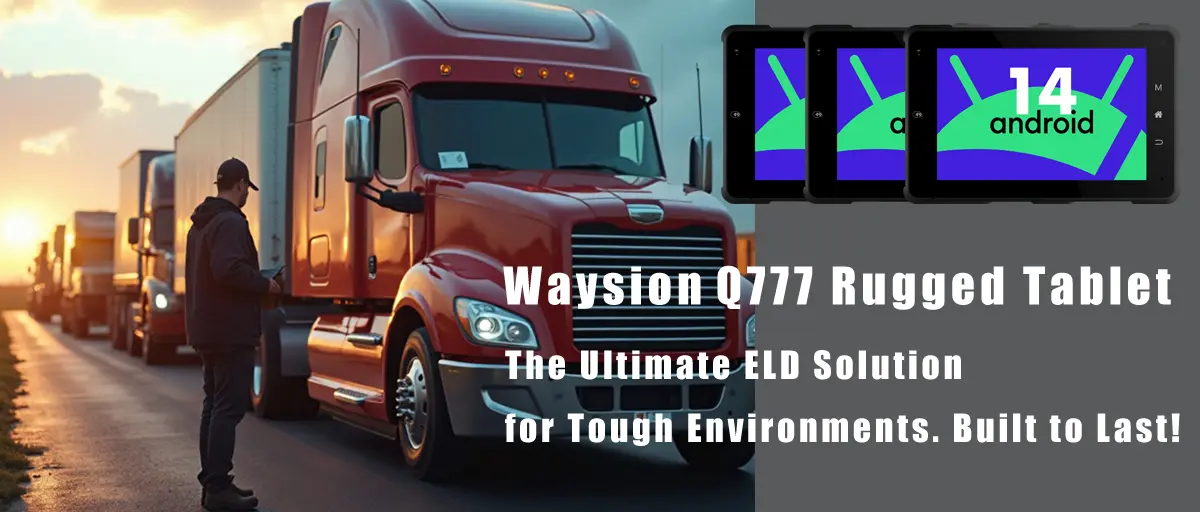
Waysion Q777 ELD Solution Ready for reliable, FMCSA-compliant logging with an intuitive interface and strong fleet features? Consider the Waysion Q777 — a cost-effective electronic logging device designed for today’s trucking demands. Visit waysion.com or contact their team to see how the Q777 can simplify your HOS compliance and boost operational visibility.
Tags: Difference between ELD and AOBRD, FMCSA, GPS tracking, Hours of Service (HOS), How does an ELD work in trucking?