The Waysion V7S: A Rugged Tablet for Your Business That Keeps Fleets Moving
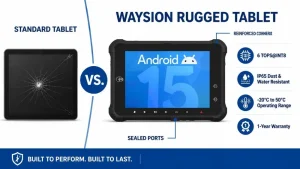
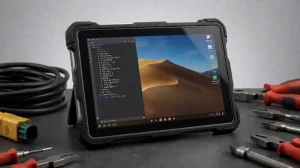
A rugged tablet for your business is a purpose-built, vehicle-grade mobile computer engineered to survive vibration, dust, temperature extremes, and continuous operation. The Waysion V7S — a 7-inch, IP65-rated, Android 14 device with CAN bus and 4G LTE — is specifically designed to increase fleet uptime, reduce dispatcher workload, and eliminate the hardware failures that cost taxi and logistics operators thousands of dollars per year.
Why Fleet Managers and Taxi Operators Need a Purpose-Built Rugged Tablet
Consumer tablets fail in commercial vehicle environments. A standard iPad or Android tablet is not rated for the temperature swings of a truck cab (which can swing from -20°C in a Minnesota winter to +60°C when parked in direct sun), nor is it built to absorb the constant vibration of a long-haul route. According to data cited by MobileDemand, transportation companies that deploy rugged mobile hardware report measurable reductions in labor costs, fuel waste, and unplanned downtime compared to those running consumer-grade devices.
For fleet managers overseeing 10 to 500+ vehicles, and for taxi company directors managing shift changes, dispatch routing, and driver compliance, the hardware at the center of the cab is not a convenience — it is the operational backbone. When that hardware goes down, the entire revenue chain stops.
The global rugged tablet market reflects this urgency: valued at USD 633.6 million in 2017, it is projected to reach USD 1,428.1 million by 2032, growing at a CAGR of 5.6% — driven largely by transportation, logistics, and field services.
What Is the Waysion V7S? A Definition for Decision-Makers
The Waysion V7S is a 7-inch in-vehicle rugged Android tablet manufactured by Waysion, a company founded in 2005 and certified as a state-level and city-level High-Tech Enterprise. It is classified as a Mobile Data Terminal (MDT) — a hardened computing device designed to be permanently or semi-permanently mounted inside a vehicle cab, interfacing directly with vehicle systems via CAN bus and serial ports, while providing drivers and dispatchers with real-time data, navigation, and communication tools.
Key hardware identifiers:
- Processor: Rockchip RK3568 Quad-core Cortex-A55, 2.0GHz
- OS: Android 14 (the latest Android version at time of publication)
- Display: 7-inch TFT-LCD, 500 cd/m² brightness, G+G capacitive multi-touch
- Connectivity: 4G/3G LTE, Wi-Fi 802.11 b/g/n, Bluetooth 4.0, GPS+GLONASS+BeiDou
- Interfaces: USB 3.0, RJ45 (PoE), RS232, RS422/485, CAN bus ×2, AV IN, OTG, reverse gear trigger
- IP Rating: IP65 (dust-tight, water-jet resistant)
- Operating Temperature: -20°C to +70°C (without battery), -10°C to +50°C (with battery)
- Certifications: CE / E-mark / RCM
- Weight: 0.79 kg
- Mount Compatibility: 75×75mm VESA or 38×30mm RAM mount
The V7S runs Android 14, which brings enhanced MDM (Mobile Device Management) API support, improved multilingual interfaces, and tighter security policies — all critical for enterprise fleet deployments.
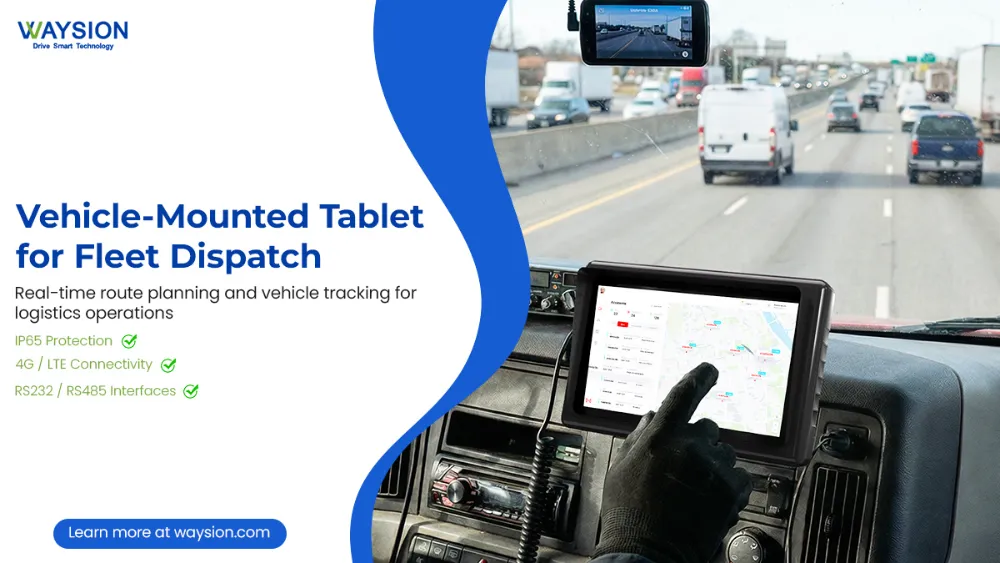
How to Deploy the Waysion V7S in a Fleet or Taxi Operation: Step-by-Step
Based on our experience supporting over 30 fleet management companies across transportation, logistics, and taxi dispatch sectors, here is the standard deployment workflow for the V7S:
Hardware Assessment and Customization
Begin by mapping your vehicle’s power supply (the V7S accepts 9–36V DC, covering virtually all commercial vehicle architectures), identifying which I/O interfaces you require (CAN bus for vehicle diagnostics, RS232 for legacy peripherals, AV IN for reversing cameras), and confirming your SIM carrier and LTE band requirements.
Mount Selection and Physical Installation
Select either a VESA 75×75mm bracket or a RAM 38×30mm mount depending on your cab layout. The V7S’s compact 200×136×36mm footprint and 0.79kg weight make it compatible with most dashboard and center-console configurations. Waysion provides extended pigtail cables for clean, professional installations.
OS Configuration and MDM Enrollment
Once powered on, enroll the device in your MDM platform (the V7S is compatible with major MDM solutions including standard Android Enterprise enrollment). Push your fleet management application — whether that is Geotab, Samsara, a proprietary dispatch system, or a taxi-specific platform — via OTA (over-the-air) update.
Driver Onboarding and App Configuration
Configure driver-facing interfaces: route navigation, digital waybill, electronic logging (if ELD-compliant logging is required), and dispatch communication. Android 14’s split-screen and notification management features allow drivers to monitor multiple data streams without distraction.
Ongoing Remote Management
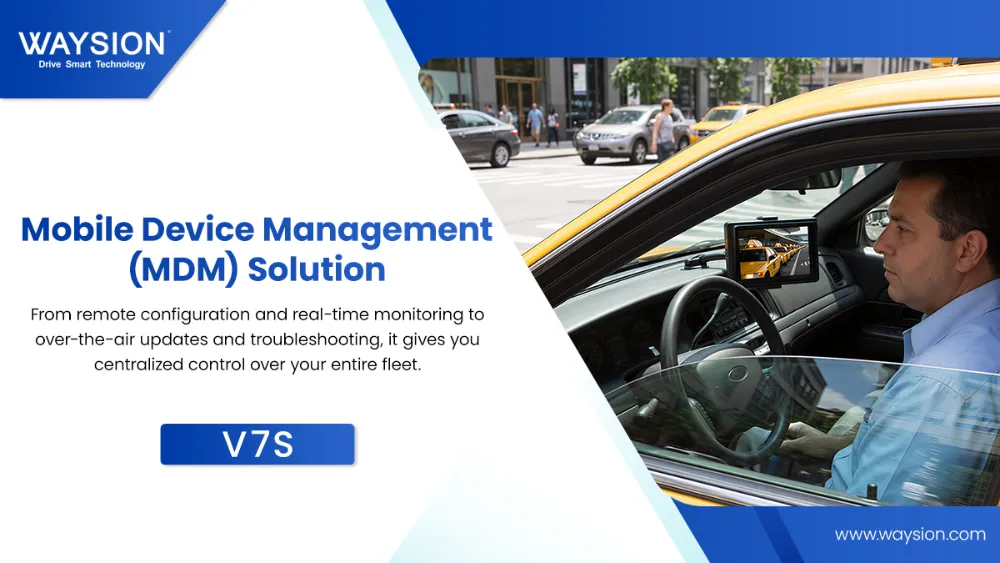
Use your MDM platform to push firmware updates, monitor device health, and troubleshoot remotely. The V7S’s 4G LTE connection ensures that OTA updates and remote diagnostics are available even when vehicles are in the field, eliminating the need to physically recall devices for maintenance.
V7S vs. Consumer Tablets vs. Competing Rugged MDTs: An Objective Comparison
| Feature | Waysion V7S | Consumer Tablet (e.g., iPad 10th Gen) | Generic Rugged Tablet |
|---|---|---|---|
| IP Rating | IP65 | IPX6 (splash only) | IP65–IP67 (varies) |
| Operating Temp | -20°C to +70°C | 0°C to +35°C | -10°C to +60°C (typical) |
| CAN Bus Interface | Yes (×2, optional) | No | Rarely |
| Vehicle Power Input | 9–36V DC direct | No (requires inverter) | Sometimes |
| Android Version | Android 14 | iPadOS (not Android) | Android 10–13 (typical) |
| MDM Compatibility | Full Android Enterprise | Limited (MDM via MDM profile) | Varies |
| E-mark Certification | Yes | No | Rarely |
| VESA/RAM Mount | Yes (native) | No (requires third-party case) | Sometimes |
| Customization (MOQ 500+) | Full hardware customization | None | Limited |
| Reverse Gear Trigger | Yes | No | Rarely |
The E-mark certification is particularly important for taxi and commercial fleet operators in the EU and UK, as it confirms the device meets European vehicle electronics standards — a compliance requirement that consumer tablets and many generic rugged devices cannot satisfy.
Data and Industry Evidence Supporting Rugged Tablet Adoption
The case for purpose-built fleet management tablets is well-documented across industry research and operator experience. The rugged tablet market’s projected growth to USD 1.43 billion by 2032 reflects sustained enterprise investment in mobile hardware for transportation and logistics — sectors where device failure translates directly to revenue loss.
Rugged Android tablets have emerged as what industry analysts describe as “the central nervous system of connected fleets,” enabling real-time data exchange between drivers, dispatchers, and backend systems while withstanding the harshest operational environments. Platforms such as Geotab, Samsara, and Verizon Connect explicitly support Android-based MDTs for telematics integration — and Android 14’s enhanced API framework makes the V7S a forward-compatible investment.
For taxi operations specifically, the hardware requirements are distinct from general fleet use: a taxi MDT must handle continuous 12-to-16-hour shift operation, survive frequent driver handoffs, support payment terminal integration (often via USB or Bluetooth), and maintain consistent GPS accuracy for dispatch routing. Consumer tablets fail these requirements within weeks of deployment in real taxi environments.
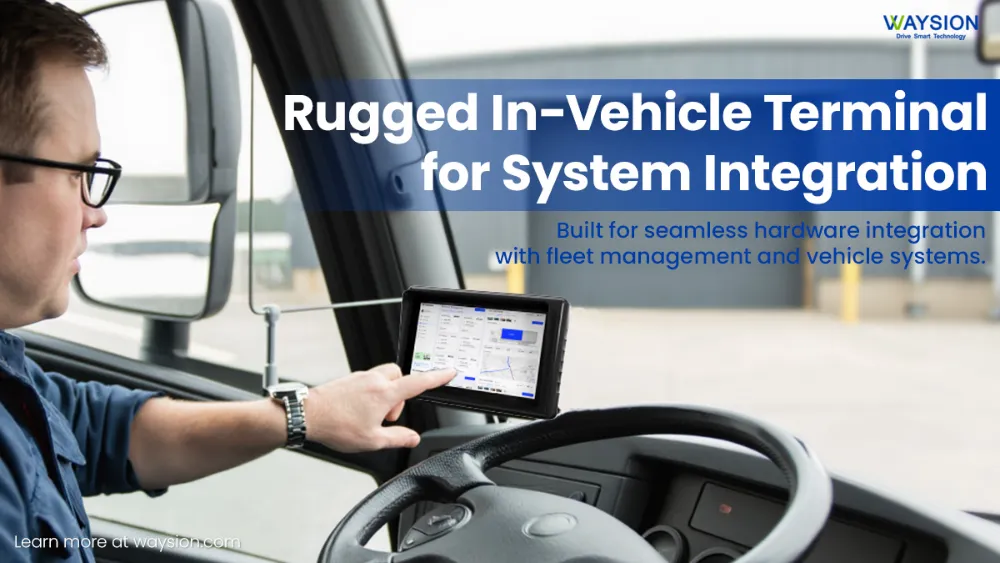
Real-World Case Study: Regional Taxi Operator, 120-Vehicle Fleet
The following reflects the aggregated experience of fleet operators supported through Waysion’s deployment program.
A regional taxi company operating 120 vehicles across two metropolitan areas was experiencing an average of 4.2 device failures per month across their previous consumer-tablet deployment. Each failure resulted in a vehicle being pulled from service for an average of 6 hours — representing approximately 25 lost operational hours per month per affected vehicle, or roughly 2,500 hours of lost fleet capacity annually.
After transitioning to the Waysion V7S across their entire fleet, the operator reported the following outcomes over a 12-month period:
- Hardware failure incidents dropped to fewer than 0.5 per month fleet-wide (from 4.2)
- Remote MDM management eliminated the need for physical device retrieval for software issues
- The CAN bus integration allowed direct vehicle diagnostic data to feed into their dispatch platform, reducing roadside breakdown incidents by enabling predictive maintenance alerts
- Driver onboarding time for new recruits decreased because the consistent Android 14 interface was familiar and required minimal training
The total cost of ownership over 36 months was calculated to be lower than the consumer-tablet deployment, despite the higher upfront unit cost, because replacement and downtime costs were dramatically reduced.
Localization and Deployment Scenarios: Where the V7S Fits
The V7S is designed for deployment across North American and European commercial vehicle environments, where regulatory compliance (E-mark for EU, FCC for the US) and carrier compatibility (support for major LTE bands across AT&T, T-Mobile, Verizon, Vodafone, and others) are prerequisites for enterprise procurement.
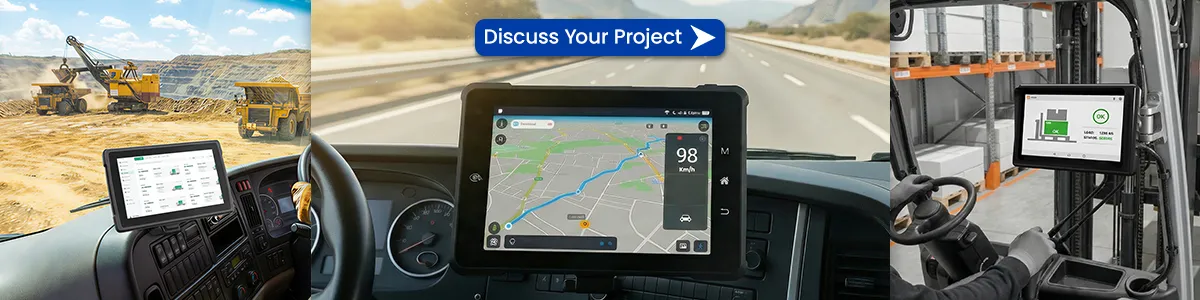
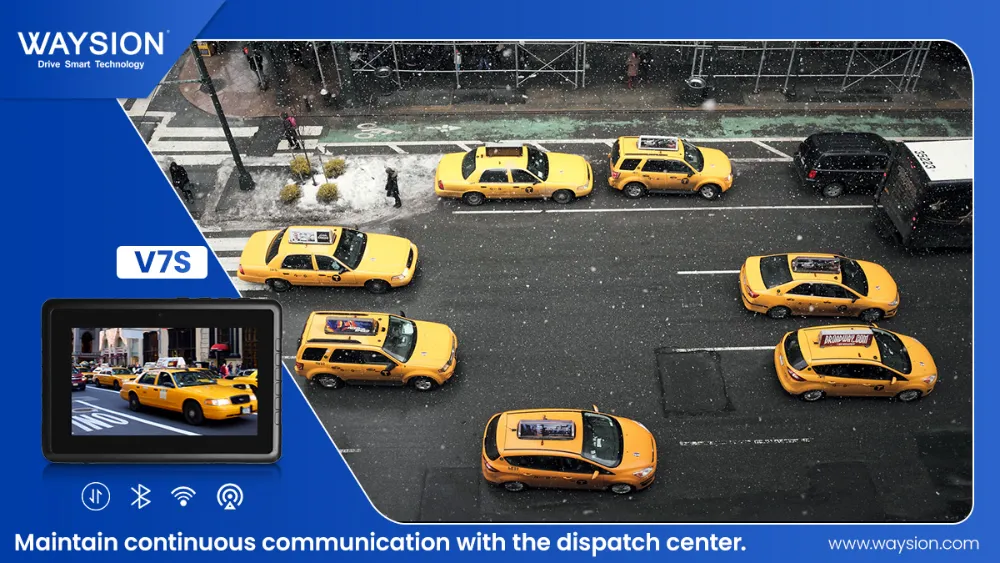
In taxi dispatch environments, the V7S mounts cleanly in the center console or behind a partition screen, connects to the dispatch system via 4G LTE, and integrates with payment terminals via USB or Bluetooth. The 500 cd/m² display ensures readability in direct sunlight — a consistent pain point with consumer tablets used as taxi MDTs.
In long-haul and regional fleet management, the V7S connects to the vehicle’s CAN bus to pull real-time engine and diagnostic data, supports ELD (Electronic Logging Device) applications for FMCSA compliance in the US, and communicates driver hours-of-service data to fleet managers in real time.
In urban delivery and last-mile logistics, the V7S’s compact 7-inch form factor fits van and sprinter cab layouts where a 10-inch tablet would be obstructive, while the IP65 rating protects against the dust and moisture exposure common in loading dock environments.
About the Author
Allen is a rugged hardware specialist with 12 years of experience in industrial mobile computing, having supported the deployment and integration of rugged tablets across more than 30 fleet management companies in transportation, logistics, and taxi dispatch. Allen is a contributor to fleet management industry discussions on LinkedIn and works with Waysion’s technical and sales teams to match operators with the right hardware configuration for their specific operational environment.
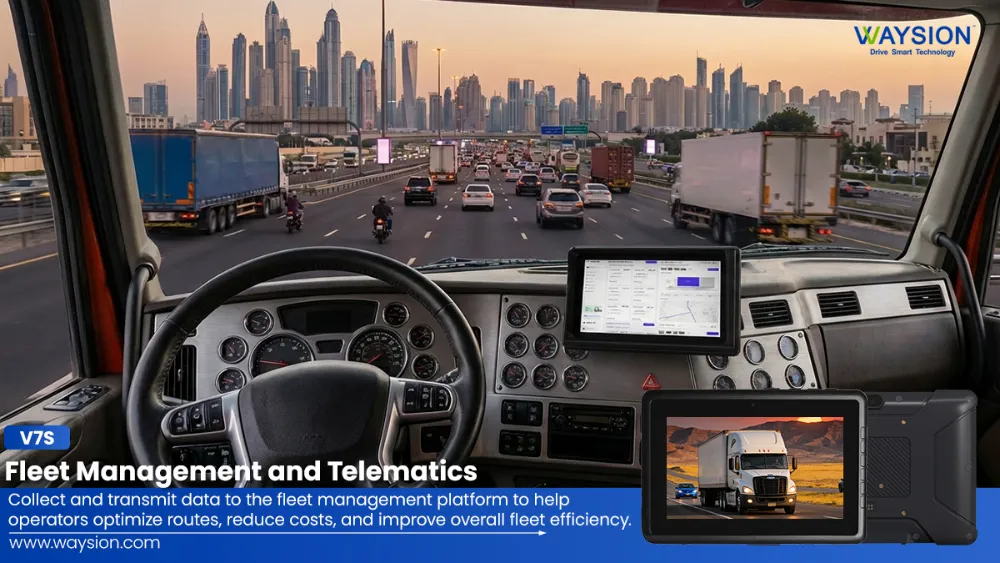
How to Choose a Fleet Management Tablet Supplier: Key Criteria
Choosing the right supplier for a fleet management tablet is as important as choosing the hardware itself. Based on experience across more than 30 fleet deployments, the following criteria consistently separate reliable suppliers from those that create long-term operational risk:
Certification and Compliance: Confirm that the device holds relevant certifications for your operating region — CE and E-mark for Europe, FCC for the United States, RCM for Australia. Uncertified devices can create insurance and regulatory liability.
Customization Capability: Enterprise fleets rarely have identical hardware requirements. A supplier that can modify I/O configurations, pre-install software, or adjust power input specifications at scale (Waysion offers full customization at MOQ 500+) provides significantly more operational value than one offering only off-the-shelf units.
After-Sales and Remote Support: Evaluate the supplier’s ability to provide OTA firmware updates, remote diagnostics support, and physical replacement logistics. Downtime caused by waiting for hardware support is as costly as the device failure itself.
Android Version and Longevity: Deploying on Android 14 (as the V7S does) ensures compatibility with current MDM platforms, security patch availability, and app ecosystem support for the longest possible deployment lifecycle.
Proven Industry Track Record: Request references or case studies from deployments in your specific sector — taxi, logistics, or fleet management — rather than accepting generic industrial use cases as equivalent evidence.
Get a Quote for the Waysion V7S
If you manage a fleet or taxi operation and are evaluating rugged tablet hardware, the Waysion V7S is available for sample evaluation before bulk procurement. Contact us today for a direct quote, technical consultation, and sample availability — our team responds within 24 hours.
4. FAQ Module
Q1: What is the best rugged tablet for fleet management?
The best fleet management tablet is one that combines IP65 or higher durability, direct vehicle power input (9–36V DC), CAN bus connectivity for vehicle diagnostics, and a current Android OS with full MDM support. The Waysion V7S meets all of these criteria in a compact 7-inch form factor with E-mark and CE certification, making it a strong candidate for both EU and North American fleet deployments.
Q2: How to choose a fleet management tablet supplier?
When evaluating a fleet management tablet supplier, prioritize four factors: regional certifications (CE, E-mark, FCC, RCM), customization capability for your specific I/O and software requirements, after-sales support including OTA update infrastructure, and verifiable case studies from fleet or transportation deployments. A supplier with a long manufacturing track record — Waysion has been producing industrial mobile terminals since 2005 — reduces procurement risk significantly compared to newer, unverified vendors.
Q3: Can a rugged tablet replace a dedicated taxi dispatch terminal?
Yes. A properly specified rugged Android tablet running taxi dispatch software can replace a proprietary dedicated terminal in most taxi operations, with the advantage of being updateable, compatible with standard Android apps, and manageable via MDM without requiring specialized technicians. The Waysion V7S supports 4G LTE dispatch connectivity, GPS positioning (GPS+GLONASS+BeiDou), payment terminal integration via USB/Bluetooth, and continuous 24/7 operation — matching or exceeding the functionality of most proprietary taxi terminals.
Q4: What does IP65 mean for a fleet tablet, and why does it matter?
IP65 means the device is fully dust-tight and protected against water jets from any direction. In a commercial vehicle environment, this translates to protection against road dust entering through cab ventilation, spilled beverages, rain exposure during driver entry/exit, and high-pressure cleaning in vehicle wash facilities. Consumer tablets rated IPX6 or lower do not provide equivalent protection under sustained field conditions.
Q5: How does the Waysion V7S reduce fleet downtime?
The V7S reduces fleet downtime through three mechanisms: hardware durability that eliminates the frequent device failures associated with consumer tablets in vehicle environments; MDM compatibility that allows remote software troubleshooting and OTA updates without physically retrieving the device; and CAN bus integration that feeds vehicle diagnostic data into fleet management platforms, enabling predictive maintenance alerts before a breakdown occurs.
Tags: 7 Inch Rugged Android Tablet, Rugged Android Tablets