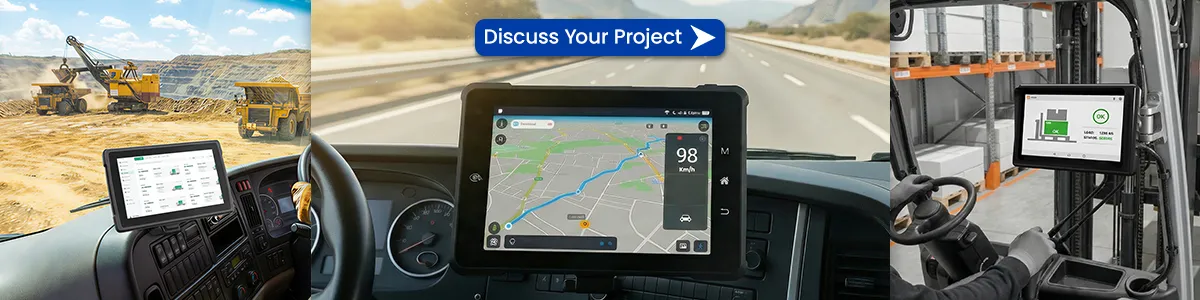
Fleet vehicle management encompasses the systems, processes, and tools used to manage a company’s fleet of vehicles efficiently and effectively. It involves everything from purchasing and maintaining vehicles to managing drivers, optimizing routes, and ensuring compliance with regulations.

Key aspects of fleet vehicle management include:
- Vehicle Acquisition & Management: This includes purchasing, leasing, or acquiring vehicles, as well as managing their lifecycle, including maintenance, repairs, and eventual disposal or remarketing.
- Driver Management: Monitoring driver behavior, hours of service, and safety performance, often through telematics and other technologies.
- Maintenance & Repairs: Scheduling and managing preventative maintenance, repairs, and ensuring compliance with manufacturer warranties and recalls.
- Fuel Management: Monitoring fuel consumption, optimizing routes to reduce fuel usage, and managing fuel costs.
- Route Optimization: Utilizing GPS tracking and route planning software to improve efficiency and reduce mileage.
- Compliance: Ensuring compliance with industry regulations and legal requirements.
- Cost Control: Managing expenses related to vehicle purchase, maintenance, fuel, and insurance to optimize fleet budgets.
- Reporting & Analytics: Using data from various sources to analyze fleet performance, identify areas for improvement, and make informed decisions.
Benefits of effective fleet management:
- Reduced Costs: Optimized fuel consumption, reduced maintenance costs, and improved vehicle utilization can lead to significant cost savings.
- Increased Efficiency: Improved route planning, driver performance monitoring, and efficient maintenance scheduling can lead to increased productivity and reduced downtime.
- Enhanced Safety: Driver safety training, telematics-based driver behavior monitoring, and proactive maintenance can contribute to a safer fleet.
- Improved Compliance: Effective fleet management systems can help businesses stay compliant with regulations and avoid penalties.
- Better Data Insights: Fleet management software provides valuable data on vehicle performance, driver behavior, and operational costs, allowing for data-driven decision-making.
Tools used in fleet vehicle management:
- Fleet management software: Centralized platforms that provide real-time visibility into fleet operations, allowing for tracking, scheduling, reporting, and more.
- GPS tracking systems: Devices that monitor vehicle location, speed, and other data, providing real-time insights into fleet operations.
- Telematics: Technology that collects data from vehicle sensors and onboard computers, providing insights into driver behavior, fuel consumption, and vehicle health.
- Electronic Logging Devices (ELDs): Used to track driver hours of service, ensuring compliance with regulations.
- Mobile apps: Tools that allow drivers and fleet managers to access information and perform tasks remotely.
Hardware is the foundation that makes software effective. Explore purpose-built rugged tablets for fleet operations → Rugged Tablet for Fleet Management

What is Vehicle Fleet Management?
Vehicle fleet management is the strategic oversight of a company’s commercial vehicle operations to enhance productivity, reduce operational costs, ensure legal compliance, and improve safety. It involves the coordination of assets such as cars, vans, trucks, and specialty vehicles, typically through a centralized system supported by software and telematics.
Fleet management is essential for businesses across logistics, transportation, construction, utilities, and public services. Whether managing five or five hundred vehicles, having a robust fleet management strategy ensures efficient asset utilization and long-term ROI.
Core Components of Vehicle Fleet Management
1. Fleet Tracking and Telematics Integration
GPS-based telematics is the cornerstone of modern fleet operations. It enables real-time vehicle tracking, monitors driver behavior, and provides actionable data for optimization.
Key Features:
- Real-time GPS location monitoring
- Fuel consumption and idling reports
- Driver scorecards and behavior tracking
- Geofencing and alerts for unauthorized use
2. Vehicle Acquisition and Lifecycle Management
Fleet lifecycle management covers the procurement, utilization, maintenance, and disposal of vehicles.
Best Practices:
- Conduct Total Cost of Ownership (TCO) analysis before purchase
- Utilize fleet leasing or flexible ownership models
- Schedule replacement cycles to maximize resale value
Fleet managers must balance upfront costs, depreciation, fuel efficiency, and resale potential.
3. Maintenance and Repairs: Preventive & Predictive
Routine maintenance ensures vehicles remain roadworthy and avoids unexpected breakdowns.
Preventive Strategies:
- Scheduled servicing (oil, brakes, tires)
- Seasonal inspections
- Compliance with OEM recommendations
Predictive Maintenance Tools:
- Engine diagnostics via OBD-II
- Telematics alerts for fault codes
- Maintenance dashboards with historical data
Reducing downtime and maintenance costs directly contributes to operational efficiency.
4. Fuel Management and Sustainability
Fuel is one of the largest operating expenses for fleets. A comprehensive fuel management strategy minimizes costs and reduces environmental impact.
Tactics:
- Fuel card programs with expense tracking
- Telematics for idle time reduction
- Route optimization for fuel efficiency
- Adoption of electric or hybrid vehicles
Fleet sustainability programs can also support ESG goals and regulatory incentives.
5. Driver Management and Compliance
Drivers are critical assets in fleet performance. Effective management ensures safety, compliance, and accountability.
Driver Management Programs Include:
- MVR (Motor Vehicle Record) checks
- Safety training and re-certification
- ELD (Electronic Logging Device) compliance for HOS
- Incentive programs based on driver scorecards
Compliance with FMCSA, OSHA, and DOT regulations is non-negotiable for avoiding penalties.
6. Fleet Management Software (FMS) and Automation
Centralized Fleet Management Software automates many administrative tasks and provides actionable insights.
Essential Features:
- Real-time dashboards and reporting
- Integration with fuel cards, GPS, and HR systems
- Maintenance scheduling automation
- Compliance documentation and audit readiness
Cloud-based platforms provide scalability and mobile access for field supervisors.

Benefits of Effective Fleet Management
- Cost Reduction: Through better fuel control, maintenance planning, and route optimization.
- Increased Productivity: By minimizing downtime and streamlining vehicle dispatching.
- Regulatory Compliance: Avoid costly fines through automated compliance tracking.
- Data-Driven Decisions: Insights into performance trends, asset utilization, and risk assessment.
- Enhanced Safety: Proactive monitoring and driver training reduce incidents and liability.
Real Pain Points in Modern Fleet Vehicle Management
Many companies already use fleet software and GPS, yet still struggle with these issues:
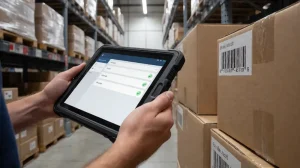
- Consumer tablets and phones fail frequently under vibration, extreme temperatures, dust, and washdowns — causing data loss and high replacement costs
- Fragmented systems: vehicle diagnostics, cameras, sensors, and dispatch tools operate in silos, delaying decisions
- Compliance pressure: ELD/HOS, IFTA, and daily inspection records are prone to errors or incomplete documentation
- Difficult remote management: software updates, device locking, and monitoring often require on-site visits
- Driver safety and efficiency gaps: fatigue, blind spots, and risky behavior are hard to detect and address in real time
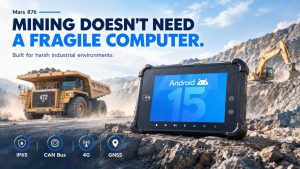
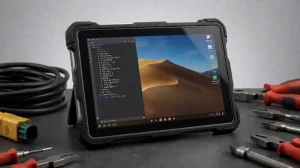
Truly effective fleet vehicle management requires the combination of software + rugged hardware + deep vehicle integration. Waysion’s in-vehicle rugged tablets (Q777 / V7S / Mars 876) are built exactly for this purpose: IP65/IP67 protection, 9-36V wide voltage, native CAN Bus support, AHD camera inputs, 4G/GNSS, and MDM remote management — giving fleets real visibility, control, and reduced downtime.
Learn more about the hardware that solves these challenges → Rugged Tablet for Fleet Management
Emerging Trends in Fleet Management
Electric Vehicle (EV) Fleet Integration
Transitioning to electric fleets reduces emissions and long-term operating costs. FMS tools now include EV-specific metrics like charge status and range planning.
AI-Powered Predictive Analytics
AI helps forecast maintenance needs, fuel usage patterns, and optimal vehicle utilization.
Mobility-as-a-Service (MaaS)
Fleet outsourcing models are growing, allowing businesses to scale on demand without the overhead of vehicle ownership.
Fleet Compliance Checklist
| Requirement | Description |
|---|---|
| DOT/FMCSA Licensing | Ensure all commercial licenses and certifications are current |
| ELD Mandates | Vehicles >10,000 lbs must have compliant ELDs |
| Insurance Documentation | Maintain active liability and collision policies |
| IFTA & IRP Reporting | Required for interstate fleets |
| Vehicle Inspections | Daily pre/post-trip and annual inspections |
| Driver Logs & Hours of Service | Monitor electronically per FMCSA guidelines |
Choosing the Right Fleet Management Partner
Selecting a partner for fleet leasing, telematics, or full-service fleet management should be based on:
- Industry experience and reputation
- Scalability and software capabilities
- Support for regulatory compliance
- Transparent reporting and analytics
- Total cost of service (TCS) vs. internal management costs
Hardware Is the “Last Mile” of Fleet Management Systems
Even the best fleet management software needs a stable, durable, and deeply integrable terminal to deliver results in the field.
Waysion’s purpose-built rugged vehicle tablets feature:
- Military-grade durability (IP65/IP67 + MIL-STD-810H) for trucks, mining vehicles, buses, and construction equipment
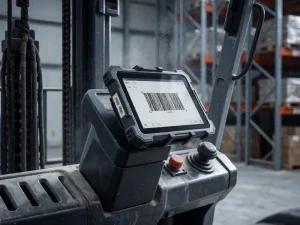
- Native CAN Bus / J1939 / OBD-II support for real-time vehicle data and predictive maintenance
- AHD camera inputs for multi-angle video monitoring and improved safety
- Dual-SIM 4G + high-precision GNSS for continuous connectivity in remote areas
- Full MDM remote management: OTA updates, remote lock/wipe, and device health monitoring — dramatically lowering maintenance costs
- Complete ELD/HOS compliance support and seamless integration with major fleet platforms
See how rugged tablets turn fleet management theory into daily operational results → Rugged Tablet for Fleet Management
Featured Models:

Frequently Asked Questions (FAQ)
What industries benefit from fleet management?
Sectors such as logistics, delivery services, field service, utilities, public safety, and construction rely heavily on fleet management to operate efficiently.
How does fleet management improve safety?
By monitoring driving behavior, scheduling regular maintenance, and ensuring compliance with safety regulations, fleet management reduces accidents and liabilities.
Is fleet management suitable for small businesses?
Yes, even fleets with fewer than 10 vehicles benefit from tracking, fuel savings, and preventive maintenance strategies.
What are the costs involved in fleet management?
Costs vary based on fleet size, services used (leasing, telematics, software), and vehicle types. However, the ROI typically outweighs operational inefficiencies.
Do I really need a dedicated rugged tablet for fleet management? Can I just use regular tablets?
Consumer tablets have high failure rates in vehicle environments due to vibration, voltage fluctuations, heat, and dust. Purpose-built rugged tablets typically last 5–7 years, sharply reduce replacement and downtime costs, and support deep vehicle integration (CAN Bus, cameras, wide voltage input). They are the standard choice for professional fleets.
How do Waysion vehicle tablets help with fleet compliance?
They support FMCSA ELD, electronic HOS logging, and J1939 data reading. They integrate with major ELD and fleet software platforms, automatically generating compliant records and reducing the risk of human error and fines.
Is this suitable for small fleets?
Yes. Even fleets with 5–20 vehicles can quickly gain fuel savings, proactive maintenance alerts, and compliance protection through rugged tablets combined with basic GPS/ELD functions. ROI is typically achieved within 12–24 months.
Conclusion
Fleet management is a mission-critical discipline for any business that relies on vehicles to deliver services or transport goods. With advancements in telematics, predictive analytics, and cloud software, today’s fleet managers can gain unprecedented visibility and control over every aspect of their operations.
Investing in modern fleet management solutions not only improves operational efficiency and cost control but also ensures long-term business sustainability in an increasingly competitive and regulated landscape.
Ready to Upgrade the Hardware Foundation of Your Fleet?
Software tells you how to manage. Hardware determines whether you can manage consistently and cost-effectively.
Since 2005, Waysion has specialized in vehicle-mounted rugged computing, serving logistics, public transit, mining, and construction fleets worldwide. Our Q777, V7S, and Mars 876 series help operators achieve:
- Significantly lower device failure rates
- Automated compliance records
- Real-time visibility and remote operations
- Lower total cost of ownership (TCO)
Get your fleet tablet solution and quote today or contact us for customized integration support.
Take the Next Step Toward Smarter Fleet Vehicle Management
Knowing what fleet vehicle management is is only the first step. The real difference comes from choosing hardware that can survive the road and integrate deeply with your systems.
Waysion rugged vehicle tablets are already powering efficient, compliant, and safer fleets around the world.
→ Explore the complete Fleet Management solution and request a personalized quote:
Rugged Tablet for Fleet Management
Or talk to our team today about your specific vehicle types, fleet size, and integration needs.
Let’s turn fleet management theory into measurable results.
Tags: Fleet Management, fleet management software, fleet management solutions, vehicle fleet management