Fleet managers and logistics directors are constantly wrestling with rising fuel costs, driver fatigue, and asset shrinkage. Searching for fleet tracking hardware is not just about installing a GPS unit; it is a strategic move to gain total operational visibility. You likely need to reduce blind spots in your logistics chain, prove service levels to clients with hard data, and cut unnecessary idle time. This guide breaks down the core technologies, specific hardware parameters, and implementation strategies required to build a tracking ecosystem that pays for itself within the first six months of deployment.
Core Components of Modern Tracking Systems
Effective fleet monitoring relies on more than just location data. The hardware stack integrates GPS receivers, cellular modems, onboard diagnostics (OBD) ports, and various sensors. Each component serves a distinct function in generating actionable insights.
- GPS Antenna and Receiver: High-precision GNSS chips (supporting GPS, GLONASS, Galileo, and BeiDou) ensure accurate positioning even in urban canyons or dense industrial parks. Military-grade receivers often include redundant frequency bands to prevent signal loss.
- Cellular Modem: The modem transmits data to the cloud platform. Look for LTE Cat 1 or Cat 4 modems for faster uplink speeds, which are critical for transmitting high-frequency sensor data or video snippets. Multi-band support ensures network handover without data drops during long-haul transport.
- Power Management: Devices must handle the vehicle’s electrical environment. Quality hardware includes a low-voltage disconnect (LVD) to prevent battery drain when the vehicle is off. Super-capacitors or Li-ion backup batteries ensure a grace period for final data pings if the main power is cut.
- Vehicle Event Sensors: These include vibration sensors for geofencing, fuel level sensors for leak detection, and door/trunk contacts for cargo security. Accelerometers detect harsh braking, rapid acceleration, and impacts.
Key Technical Specifications to Evaluate
When comparing vendors, do not rely on marketing brochures. Scrutinize the following technical parameters. These define the reliability, data fidelity, and installation complexity of the unit.
- Operating Voltage: Most heavy-duty trucks operate on 12V or 24V systems. Ensure the unit supports a wide input range (e.g., 9V–36V) to accommodate voltage spikes.
- IP Rating: For external antennas or engine bay installations, an IP67 rating is the minimum standard to withstand dust and high-pressure water jets.
- Memory Capacity: Onboard storage is vital for dead-zone coverage. Devices with 30 days of GPS log storage allow the system to backfill data when cellular coverage is lost.
- Connectivity Protocols: Support for TCP/UDP and HTTPS ensures secure data transmission. MQTT support is increasingly common for lightweight IoT integrations.
- Power Consumption: Low idle power draw (under 50mA) is critical to preserve vehicle battery health during extended parking periods.
Hardware Comparison: OBD vs. Hardwired vs. Solar
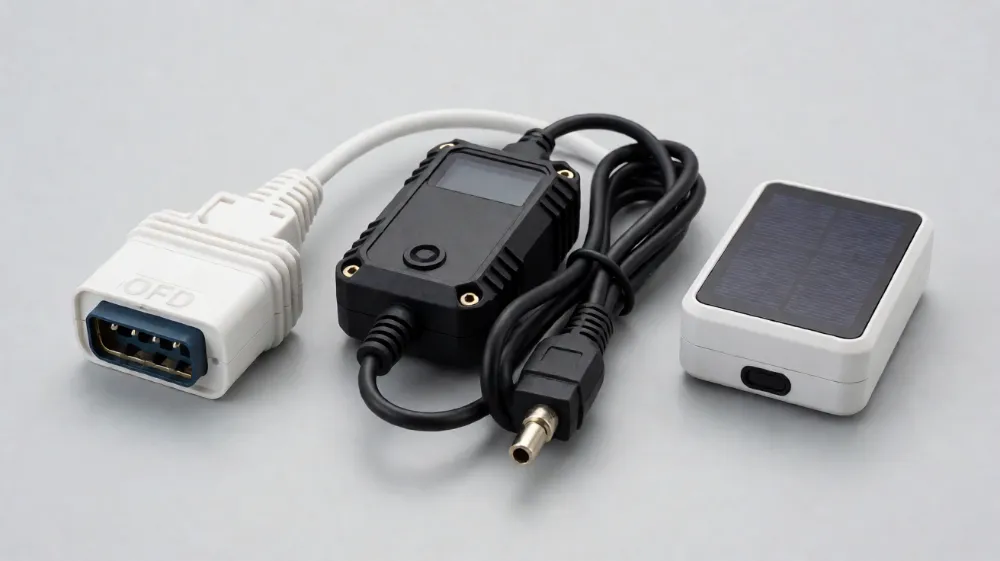
Different fleet segments require different hardware form factors. The table below highlights the distinct advantages and limitations of the three primary installation types.
| Feature | OBD II Plug-in | Hardwired GPS Tracker | Solar/Exterior Unit |
|---|---|---|---|
| Installation Time | 5–10 minutes | 45–90 minutes | 15–30 minutes |
| Data Accuracy | Medium (relies on vehicle ECU) | High (direct sensor input) | High (independent of vehicle) |
| Battery Impact | None (drives OBD port) | Low (with proper LVD) | None (solar powered) |
| Best Use Case | Light commercial vans; short-term rental | Long-haul trucks; heavy assets | Trailers; unpowered assets; remote logistics |
| Durability | Fragile (plastic housing) | Rugged (military grade) | Rugged (shock resistant) |
| Theft Deterrence | Low (visible, removable) | High (hidden, hardwired) | High (exterior visibility) |
Optimizing Deployment for Specific Use Cases
Generic tracking is insufficient for complex logistics networks. The hardware must be tailored to the specific operational pain points of your fleet.
Heavy-Duty Commercial Transport
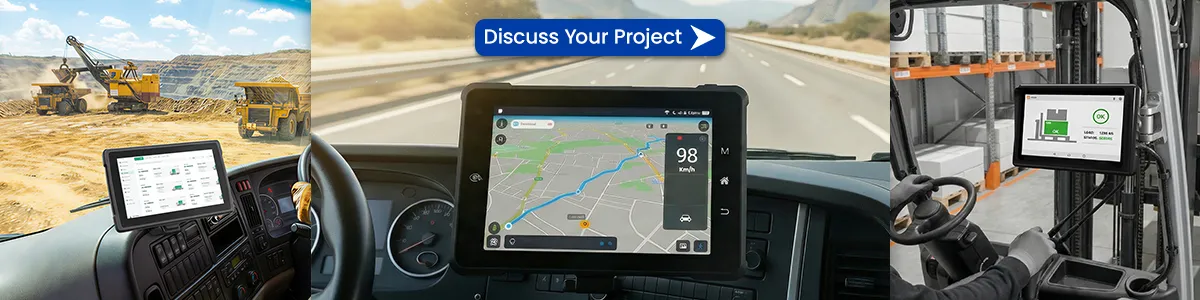
For 18-wheelers and heavy machinery, harsh environmental conditions are the norm. Hardware must withstand extreme temperatures (-40°C to +85°C) and significant vibration. Integrating engine telemetry is essential. You can monitor idle hours, fuel economy, and ECU error codes in real-time. Advanced units integrate with the SAE J1939 protocol to pull data directly from the vehicle’s CAN bus, providing a holistic view of vehicle health without manual logbooks.
Last-Mile and Urban Delivery
In city environments, signal multipath errors can skew GPS positions. Choose hardware with 3D fix capabilities and high update rates (1Hz or higher). Geofencing accuracy is paramount here. A deviation of just 15 meters can mean the difference between a successful delivery window and a penalty fee. Additionally, integration with electric vehicle (EV) telemetry is becoming standard, allowing managers to track state-of-charge (SoC) and optimize charging schedules to prevent dead batteries.
Asset and Trailer Monitoring
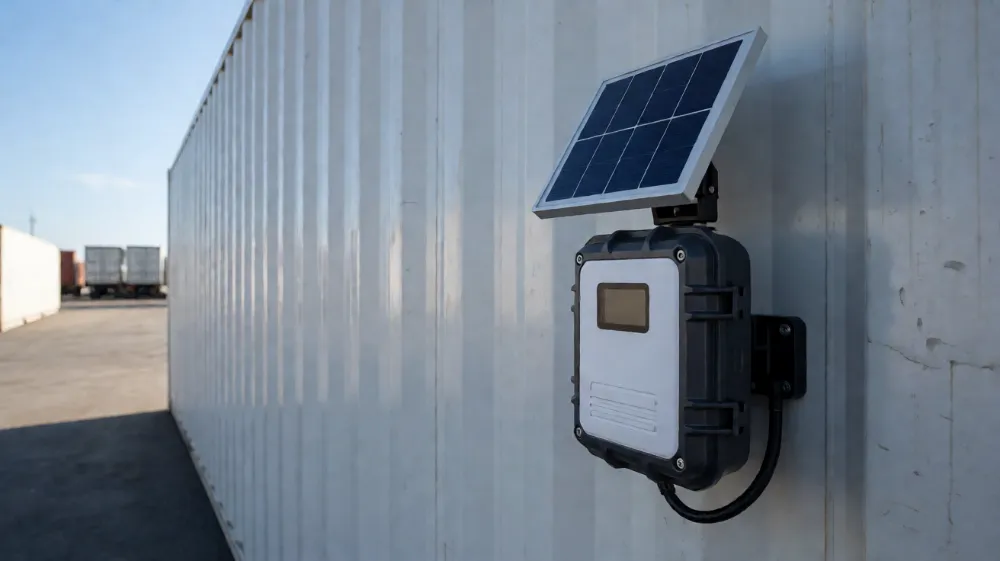
Not all assets have engines. Trailers and containers lack power sources. Solar-powered tracking devices are the industry standard here. These units feature large batteries that store energy from the sun. They monitor door status, temperature, and humidity. For pharmaceutical or food logistics, these units often include data loggers that maintain a chain of custody, proving that cargo stayed within temperature limits throughout the journey.
The Economic Impact of Strategic Hardware Selection
Investing in premium hardware reduces operational waste in three measurable ways. First, fuel savings. By analyzing route efficiency and idle time, fleets typically reduce fuel consumption by 5–10%. Second, maintenance cost reduction. Predictive maintenance alerts from OBD telemetry prevent catastrophic failures, reducing emergency repair costs by up to 30%. Third, improved driver behavior. Telematics data allows for targeted coaching rather than punitive punishment, leading to lower insurance premiums due to fewer accidents.
When calculating ROI, include the cost of hardware, installation, monthly subscription fees, and IT integration. A robust fleet of 100 vehicles with hardwired trackers might cost $3,000 in hardware and $400 per month in subscriptions. If this system saves $50 per vehicle in fuel and $20 per vehicle in maintenance annually, the total annual savings of $7,000 covers the subscription cost ten times over, making the hardware investment a direct line item for profit improvement.
Frequently Asked Questions
Can fleet tracking hardware be hacked or intercepted?
Modern hardware uses encrypted data transmission (TLS/SSL) and secure cloud infrastructure. While no system is immune to cyber threats, reputable manufacturers comply with SOC 2 and ISO 27001 standards. To secure your deployment, disable non-essential ports on the tracker, use unique API keys for each integration, and monitor admin dashboard access logs regularly.
Does installing trackers affect vehicle emissions or fuel economy?
The power consumption of a hardwired tracker is negligible compared to the vehicle’s engine load. The impact on fuel economy is effectively zero. However, the behavioral changes driven by tracking—such as smoother acceleration and reduced idling—will significantly improve fuel economy. Ensure the installer uses a proper Low Voltage Disconnect (LVD) circuit to prevent the tracker from draining the vehicle battery when the engine is off.
How do I handle data privacy and driver consent?
Transparency is key. Inform drivers clearly about what data is collected and how it will be used. Many jurisdictions have specific laws regarding employee monitoring. Use consent forms that explain the benefits, such as safer driving environments and fairer performance metrics. Exclude personal data that does not relate to work performance, such as personal stops or non-work hours, to maintain trust and compliance.
If you are ready to modernize your logistics network, contact our engineering team for a personalized hardware audit. We will analyze your current vehicle mix, route profiles, and data requirements to recommend the precise tracker model that maximizes your operational savings. Request a free consultation today to start saving on fuel and maintenance costs.
Tags: Best fleet tracking hardware, Fleet tracking software, GPS Fleet Tracker for Fleet Vehicle Management, GPS Fleet Tracking Device Buyer's Guide, GPS Fleet Tracking Devices for Business Vehicles, GPS fleet tracking small business